


Bergamot is a fruit rich in vitamin C, vitamin A, and antioxidants, which can help prevent health problems such as colds, cancer, anemia, and heart attack.
It also contains good amounts of potassium, fiber, and water, which support bowel movements and help regulate blood sugar levels, reducing constipation and lowering the risk of diabetes.
Also known as tangerine, mandarin, or by its scientific name Citrus deliciosa Tenore, bergamot is smaller, flatter, and has a smoother, thinner peel compared to other tangerines. It is usually eaten fresh but can also be used in juices, liqueurs, salads, cakes, or sauces. Its peel and leaves are often used to prepare teas and essential oils.
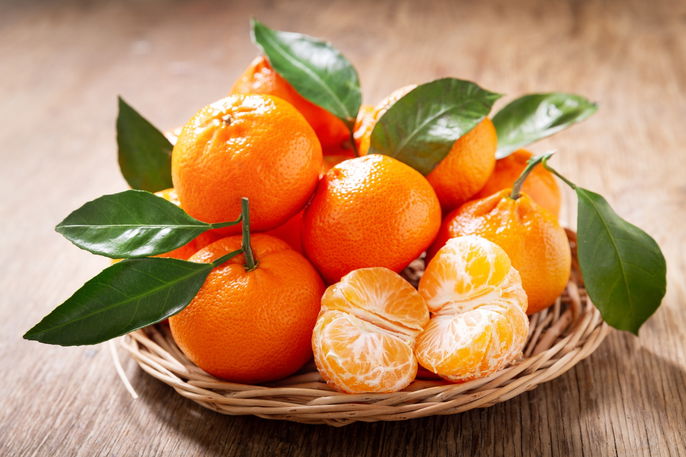
Main benefits of bergamot
The main health benefits of bergamot include:
1. Helps control and prevent diabetes
Eating bergamot with its pulp helps control and prevent diabetes. The fruit contains pectin, a fiber that slows digestion and reduces sugar absorption in the intestine, which helps regulate blood sugar and insulin levels.
Because it is rich in soluble fiber, bergamot also increases fullness, helping to reduce hunger and cravings for sweets.
2. Helps lower triglycerides and cholesterol
Bergamot peel and leaves contain antioxidant essential oils, such as limonene and terpinene, which fight free radicals and prevent fat cell oxidation, lowering triglyceride and cholesterol levels in the blood.
The pectin found in bergamot also reduces fat absorption in the intestine, which decreases total cholesterol and LDL cholesterol, helping prevent conditions such as atherosclerosis and heart attack.
3. Supports weight loss
Bergamot is high in soluble fiber and water, which help prolong fullness and reduce hunger, supporting weight loss.
It is also low in calories, making it a healthy option to include in weight management diets.
4. Helps relieve stress and anxiety
Bergamot essential oil has calming effects on the central nervous system. It can improve mood and slow heart rate, making it a natural option to help with stress and anxiety.
Also recommended: 6 Essential Oils for Anxiety (& How to Use) tuasaude.com/en/essential-oils-for-anxiety5. Helps prevent and control high blood pressure
With its high water and potassium content, bergamot helps the body eliminate excess sodium through urine, which supports the prevention and control of high blood pressure. Check out other foods that are high in potassium that you can add to your diet.
Bergamot is also rich in antioxidants, including vitamin A and vitamin C, which help protect arteries, improve circulation, and reduce free radical damage.
6. Supports healthy digestion
Bergamot is rich in pectin, a prebiotic fiber that feeds beneficial gut bacteria and helps maintain digestive balance.
Its high water content, combined with fiber, helps form stools and makes bowel movements easier.
7. Supports anemia treatment
The vitamin C in bergamot improves the absorption of iron from plant-based foods such as beans and vegetables. This supports hemoglobin production and helps in the treatment of anemia.
8. May help prevent cancer
Bergamot contains antioxidants such as citric acid, vitamin C, vitamin A, flavonoids, and essential oils, which strengthen the immune system and may help fight cancer.
Also recommended: Top 20 Vitamin C Foods (How to Consume & Supplementation) tuasaude.com/en/vitamin-c-foodsThese antioxidants also protect cells from free radical damage, which may reduce the risk of cancers such as breast, colon, and prostate cancer.
Difference between bergamot, ponkan, and tangerine
Tangerine is a group of citrus fruits that includes several subtypes, such as bergamot and ponkan.
Ponkan (Citrus articulata) is larger, heavier, and has a thick, porous peel that is easier to remove.
Bergamot is smaller, lighter, and has a smoother peel that sticks more firmly to the fruit, making it harder to peel compared to ponkan.
Another variety, known as “green bergamot” or Citrus bergamia, is used mainly to produce essential oils.
Nutritional information
The table below shows the nutritional composition of 100 g (about 1 small unit) of fresh bergamot:
To gain the health benefits of bergamot, it should be included in a balanced diet and combined with regular physical activity.
How to consume
Bergamot can be eaten fresh or used in juices, sauces, and cakes. Its leaves and peel are often used to make teas and to produce essential oils, which can be used in baths, aroma diffusers, or applied to the skin when properly diluted.
-
Bergamot tea: Add 1 tablespoon of fresh, washed leaves to 1 cup of boiling water. Cover and steep for 5 to 10 minutes, then strain and drink. Another option is to boil the peel of 1 fresh bergamot in 250 ml of water for 10 to 15 minutes, let it cool slightly, strain, and drink.
-
Essential oil: Add 21 drops of bergamot essential oil to 5 tablespoons of a carrier oil, such as coconut, jojoba, or olive oil. Mix into bathwater and soak for 20 minutes. Another option is to place up to 3 drops of bergamot oil in an aroma necklace, up to 3 times a day. Because it is photosensitizing, avoid sun exposure for at least 6 hours after use.
Recipes with bergamot
Some simple and flavorful recipes with bergamot include:
1. Bergamot cake
Ingredients:
-
Juice of 3 peeled and seedless bergamots
-
Zest of 3 bergamot peels
-
3 eggs
-
½ cup brown sugar
-
2 cups all-purpose flour
-
1 cup coconut oil or olive oil
-
½ teaspoon salt
-
1 tablespoon baking powder
Directions:
Grease a baking pan with butter and flour and set aside. Preheat the oven to 390°F (200°C). In a bowl, mix the sugar with the bergamot zest. Add the flour, baking powder, and salt. In another bowl, mix the bergamot juice, eggs, and oil until smooth. Combine with the dry ingredients and mix well. Pour into the pan and bake for 30 to 40 minutes. Let cool slightly before serving.
2. Salmon ceviche with bergamot juice
Ingredients:
-
300 g salmon fillet, boneless and cut into strips
-
Juice of 1 chilled bergamot
-
1 tablespoon lemon juice
-
1 tablespoon bergamot zest
-
1 tablespoon extra virgin olive oil
-
1 teaspoon sliced chili pepper (seedless)
-
Salt and black pepper to taste
-
1 teaspoon chopped chives
-
1 teaspoon chopped cilantro
Directions:
Mix the bergamot and lemon juice with the salmon and place in a covered container in the refrigerator for 1 hour. Drain the excess liquid and mix the salmon with bergamot zest, olive oil, and chili pepper. Add salt and black pepper, then sprinkle with chives and cilantro before serving.
3. Bergamot smoothie with banana
Ingredients:
-
2 bananas
-
Juice of 1 bergamot
-
120 g plain whole yogurt
-
3 ice cubes
-
3 mint leaves
Directions:
Peel and slice the bananas, then place in a blender. Add the remaining ingredients and blend for 2 to 3 minutes until smooth. Pour into a glass and serve.