


- Cherries are packed with powerful antioxidants that help prevent premature aging and protect against cardiovascular disease.
- This fruit contains natural compounds that can help regulate sleep cycles, improve mood, and relieve muscle pain after exercise.
- Rich in fiber and essential nutrients, cherries support intestinal health and help manage blood sugar levels to prevent diabetes.
Cherries are a fruit that offers numerous health advantages, such as helping to prevent premature aging and protecting against cardiovascular disease. They also play a key role in maintaining intestinal and eye health while assisting in the prevention of diabetes.
These impressive benefits come from their rich profile of fiber, flavonoids, vitamin C, lutein, zeaxanthin, vitamin A, and beta-carotene. These nutrients and bioactive compounds provide powerful antioxidant, laxative, and anti-inflammatory properties to support overall wellness.
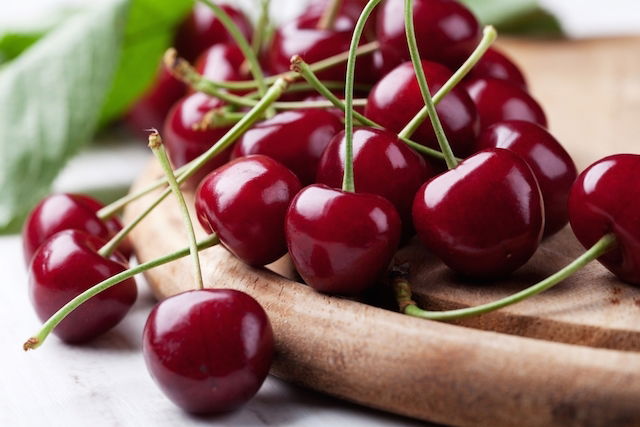
Small and round with a soft texture, this fruit has a flavor that is both sweet and slightly acidic. It can be enjoyed fresh or used in various recipes like juices, sauces, jams, salads, cakes, and smoothies.
Benefits of cherries
The main health benefits of cherries include:
1. Helps prevent diabetes
Cherries contain phenolic compounds, such as chlorogenic acid, flavonoids, and anthocyanins, which help regulate blood sugar and insulin levels, helping to prevent insulin resistance and diabetes.
Additionally, the fiber found in cherries slows down the absorption of carbohydrates, which promotes balanced blood glucose levels.
2. Prevents premature aging
Because they are rich in antioxidants like beta-carotene, vitamin A, and vitamin C, cherries combat free radicals to maintain skin health and prevent premature aging.
The vitamin C in cherries also supports the production of collagen, which reduces skin sagging and the appearance of wrinkles and fine lines.
3. Protects against cardiovascular disease
Cherries are packed with anthocyanins, flavonoids, and chlorogenic acid, which are antioxidant compounds that reduce the oxidation of fat cells. This helps balance cholesterol and triglyceride levels in the blood, offering protection against cardiovascular issues like heart attack, angina, or atherosclerosis.
Furthermore, the vitamin C in cherries helps maintain blood vessel health and improves circulation, which assists in preventing high blood pressure.
4. May help manage arthritis and gout
Since they contain anthocyanins - bioactive compounds with anti-inflammatory and antioxidant effects - cherries can reduce oxidative stress and joint inflammation. This may assist in the management of arthritis or osteoarthritis by relieving pain and stiffness.
According to the Arthritis Foundation, cherries can also complement the treatment of gout and arthritis, as studies suggest they may help reduce the frequency of recurrent attacks by lowering uric acid levels in the body.
5. Helps regulate sleep
Cherries are a good source of tryptophan, an amino acid vital for producing serotonin and melatonin. These hormones affect the nervous system and help regulate sleep cycles, potentially aiding in the treatment of insomnia.
6. Relieves post-workout muscle pain
The anti-inflammatory and antioxidant compounds in cherries can help soothe muscle pain and inflammation following physical activity, speeding up recovery after workouts.
7. Supports eye health
Cherries support eye health because they contain beta-carotene, lutein, and zeaxanthin. These carotenoids protect the eyes from damage caused by free radicals and the blue light emitted by electronic devices like computers, tablets, and phones.
Consequently, cherries may help prevent cataracts and age-related macular degeneration, a progressive condition that can lead to vision loss.
8. Improves mood
Thanks to their tryptophan content, cherries contribute to the production of serotonin, a neurotransmitter that regulates mood, anxiety, and stress. As a result, consuming cherries may help prevent depression, anxiety, and mood swings.
9. Strengthens the immune system
Cherries help boost immunity because they contain vitamin C, zeaxanthin, lutein, beta-carotene, and phenolic compounds. These anti-inflammatory agents improve the function of the body's defense cells, helping to fight infections caused by viruses, bacteria, and fungi.
10. Maintains intestinal health
Cherries support gut health by providing fiber that stimulates natural bowel movements and increases stool volume, which helps combat constipation.
In addition, the polyphenols in cherries contribute to a balanced gut flora, ensuring the digestive system functions properly.
11. Reduces cancer risk
Cherries may help lower the risk of cancer because they are rich in bioactive compounds like anthocyanins and flavonoids. These protect healthy cells from damage caused by free radicals, reducing the likelihood of cancer cell formation.
Nutritional information
The following table provides the nutritional values for 100 g of fresh cherries, which is equivalent to about 12 cherries:
It is important to note that to achieve these benefits, cherries should be consumed regularly as part of a balanced diet combined with regular physical activity.
To learn how to best include cherries in your diet, consider scheduling an appointment with a registered dietitian.
How to consume
Cherries can be eaten raw - preferably with the skin - or used in salads, juices, smoothies, jams, desserts, cakes, or tea. The recommended daily serving to gain the health benefits of cherries is approximately 1/2 cup per day.
Healthy recipes with cherries
Here are some healthy and tasty cherry recipes:
1. Cherry tea
Ingredients
-
Pulp of fresh cherries
-
200 ml water
-
Juice of half a lemon
Preparation
Mix the cherry pulp and lemon juice, then add the mixture to boiling water. Let it cool slightly, strain, and serve.
Another option is tea made from cherry stems. To prepare, let the stems dry for about one week. Add them to 1 liter of boiling water and steep for 10 minutes. Strain, let cool slightly, and drink.
2. Cherry juice
Ingredients
-
500 g fresh cherries
-
500 ml filtered or boiled water
-
Brown sugar or sweetener to taste
-
Ice to taste
Preparation
Wash the cherries thoroughly and remove the pits. Place all ingredients in a blender and blend for 1 to 2 minutes. Pour into a glass and drink immediately.
3. Cherry mousse
Ingredients
-
1 cup fresh cherries
-
300 g Greek yogurt
-
1 packet (or sheet) unflavored gelatin
-
3 tbsp water
Preparation
Wash the cherries well and remove the pits. Blend the cherries with the yogurt. Dissolve the gelatin in the water according to package instructions, then add it to the cherry and yogurt mixture. Stir well until smooth. Refrigerate until set, then serve.
4. Cherry and chia jam
Ingredients
-
2 cups washed and pitted cherries
-
3 tbsp brown sugar
-
1 tbsp water
-
1 tbsp chia seeds
Preparation
Place the cherries, sugar, and water in a saucepan over low heat. Cook for about 15 minutes, stirring occasionally to prevent sticking.
Once the mixture thickens, add the chia seeds and cook for another 5 to 10 minutes (the chia helps thicken the jam). Remove from heat and store in a clean glass jar in the refrigerator.