


If a baby falls off the bed or crib, it can be frightening, but the first step is to stay calm. Taking a moment to comfort the baby helps you assess their condition more clearly and check for signs of injury, such as redness, bleeding, or bruising.
Falls are fairly common in babies and young children, especially as they become more active. Because of this, it’s important to never leave a baby alone on elevated surfaces like beds, sofas, or changing tables, where rolling or sudden movements can lead to a fall.
In most cases, these falls are not serious. Still, it's recommended to contact a pediatrician or visit the hospital to make sure there’s no internal injury, particularly if the baby isn’t acting like their usual self.
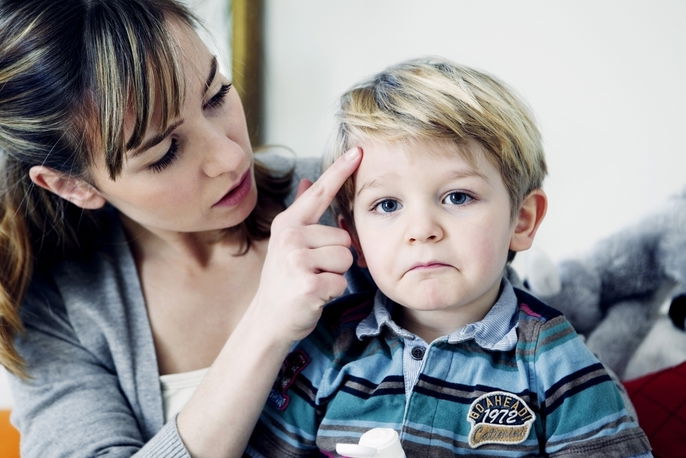
What to do after the fall
If a baby falls from a higher surface, such as a bed, crib, or chair, the steps to take include:
- Stay calm and comfort the baby: Try not to immediately call the pediatrician or rush to the hospital, as the fall may not have caused any injury. Comforting the baby helps them settle and makes it easier to evaluate their condition.
- Check the baby’s physical condition: Look at the baby’s arms, legs, head, and body for swelling, redness, bruising, or deformities. If needed, gently remove clothing to get a clearer view.
- See if the baby is behaving normally: Notice whether the baby is staying alert, interacting as usual, moving without difficulty, and vocalizing or, in the case of very young infants, making sounds or smiling.
- Use an ice pack for redness or swelling: A small ice cube wrapped in a cloth can help reduce swelling and ease discomfort if the baby hit their head or body. Apply it to the area in gentle circular motions for up to 15 minutes, then repeat an hour later.
If the baby is very young, hit their head, or is not behaving normally (even without visible symptoms) a medical evaluation is important.
When to go to the emergency room
If a baby falls from the bed or another elevated surface, you should go to the emergency room, especially if:
-
A bruise forms on the head or the shape of the head appears different
-
There is swelling or deformity in the arms or legs
-
The baby becomes agitated, unusually sleepy, vomits, or develops a severe headache
-
The baby cries intensely or cannot be consoled
-
The baby loses consciousness, even briefly
-
There is difficulty moving
-
The baby is not acting like usual
In these situations, emergency evaluation is recommended. Even if no obvious injuries are seen, there may be a risk of internal damage, and imaging tests such as a CT scan may be needed.
It is also important to watch the baby closely over the next several hours after the fall. According to the American Academy of Pediatrics, symptoms such as vomiting, unusual drowsiness, or behavior changes may indicate a more serious head injury and require prompt medical evaluation. If you notice any change or worsening in behavior or symptoms, seek medical care right away.