


Asparagus is a vegetable that supports eye health and helps prevent atherosclerosis, heart attack, and premature aging. This is because asparagus is rich in beta-carotene, lutein, and zeaxanthin, carotenoids with antioxidant and anti-inflammatory properties.
Asparagus is also high in fiber, which promotes healthy digestion, supports weight loss, and helps prevent insulin resistance and diabetes.
Asparagus can be found in supermarkets and farmers' markets and can be eaten cooked in dishes such as stir-fries, salads, soups, rice, quiches, and omelets.
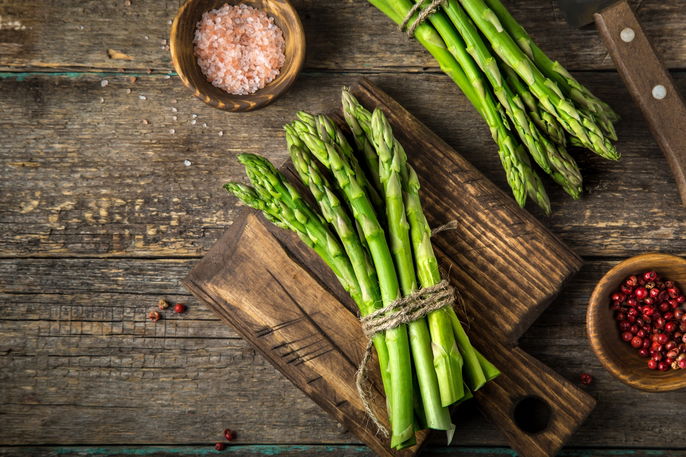
Health benefits
The main benefits of asparagus include:
1. Supporting weight loss
Asparagus is high in fiber, which forms a gel-like substance in the stomach that slows digestion, helps control hunger, and promotes satiety. It’s also low in calories, making it an excellent addition to weight-loss diets.
For effective weight loss, however, it’s essential to follow a healthy, well-balanced diet and engage in regular physical activity.
2. Helping prevent heart disease
Asparagus helps protect against heart disease, including heart attack, high blood pressure, and atherosclerosis, because it’s rich in lutein, zeaxanthin, and beta-carotene, bioactive compounds with antioxidant and anti-inflammatory properties. These nutrients help maintain artery health and lower homocysteine levels in the blood, an amino acid linked to cardiovascular problems.
3. Helping prevent diabetes
Because it’s rich in fiber, asparagus slows the absorption of carbohydrates from food, which helps control blood sugar levels and prevents insulin resistance and diabetes.
4. Strengthening the immune system
Asparagus supports immune health because it’s rich in flavonoids and beta-carotene, antioxidants that protect immune cells from damage from free radicals and enhance the body’s defense against viruses, bacteria, and fungi.
5. Helping prevent osteoporosis
As a good source of vitamin K, asparagus promotes the production of osteocalcin, a protein that supports calcium binding in bones. This is essential for maintaining bone health and may help prevent osteoporosis.
6. Promoting eye health
Asparagus contains lutein and zeaxanthin, carotenoids with antioxidant and photoprotective effects that help protect the eyes from ultraviolet (UV) rays and blue light from screens. These nutrients help maintain healthy vision and may prevent cataracts.
7. Helping prevent anemia
Asparagus is rich in vitamin B9 (folate), a nutrient that stimulates the production of blood cells, including red blood cells, platelets, and white blood cells, helping prevent anemia.
8. Helping prevent premature aging
Because it contains antioxidants such as lutein, flavonoids, and beta-carotene, asparagus helps protect the skin from UV damage, reducing wrinkles, sagging, and signs of premature aging.
9. Helping relieve constipation
Asparagus is high in fiber, which increases stool volume and stimulates natural bowel movements, promoting regularity and helping relieve constipation.
Also recommended: Natural Laxatives: 15 Fruits That Relieve Constipation tuasaude.com/en/natural-laxativesNutrition facts
The following table provides information on the nutritional value of a 100 g (about 7 spears) serving of cooked asparagus:
To get the full benefits of asparagus, it’s important to maintain a healthy, well-balanced diet and engage in regular physical activity.
How to prepare asparagus
Asparagus can be cooked by boiling, steaming, baking, or microwaving and can be added to dishes such as stir-fries, soups, salads, casseroles, quiches, and omelets.
It should be cooked for a short time to remain crisp. Cooking time varies from 5 to 10 minutes, depending on the thickness of the stalks.
Although there’s no specific recommended daily amount of asparagus, the general guideline for vegetable intake is 2 to 3 servings per day, or about 160 to 240 g.
Healthy recipes
Some healthy and delicious asparagus recipes include:
1. Cream of asparagus soup
Ingredients:
-
6 fresh asparagus spears;
-
½ small onion;
-
1 clove garlic;
-
1 Tbsp unsalted butter;
-
2 cups water;
-
½ cup heavy cream;
-
Olive oil, salt, and black pepper to taste.
Directions:
Wash and dry the asparagus. Trim off the tough white ends and discard them. Cut the spears into medium pieces and set aside. Peel and chop the onion and garlic, then sauté them in a pan with the butter and a pinch of salt over medium heat for about 3 minutes. Add the asparagus and cook for another 3 minutes.
Add the water, salt, and pepper, stir well, and cook until the asparagus is tender. Remove from heat and carefully blend the soup using an immersion blender or a regular blender with the lid secured. Stir in the cream, mix well, and cook for 2 more minutes. Serve warm.
2. Asparagus and orange salad
Ingredients:
-
2 cups cooked asparagus, cut into large pieces;
-
½ cup thinly sliced red onion;
-
Segments of 1 orange;
-
½ cup cashews;
-
2 Tbsp olive oil;
-
Salt and black pepper to taste.
Directions:
Place all ingredients in a bowl and toss gently with a spoon or spatula. Serve immediately.