


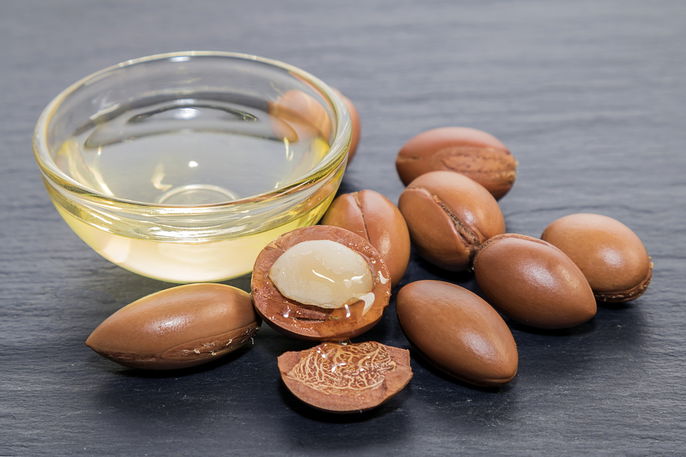
Argan oil is extracted from the fruit of the Argania spinosa tree. It offers several health and beauty benefits, such as helping prevent early signs of aging, moisturizing hair and skin, and supporting wound healing.
Although it is less common, argan oil can also be taken by mouth. It may help lower the risk of cardiovascular problems, such as atherosclerosis and heart attack, because it is rich in omega-3, omega-6, and omega-9, which are unsaturated fatty acids with antioxidant and anti-inflammatory effects.
Argan oil can be found in pharmacies and natural health stores, sold pure or added to products like body moisturizers, creams, conditioners, and hair masks.
Key benefits
Argan oil may be recommended to:
1. Support hair health
Argan oil is rich in vitamin E and fatty acids. These nutrients help support the hair shaft, leaving hair softer, shinier, more hydrated, and less frizzy. It can be a good option to help protect hair from damage caused by chemical processes or heat styling.
2. Moisturize the skin
When applied to the skin, argan oil helps support the skin’s natural protective barrier. This reduces water loss and helps keep the skin hydrated.
Taking argan oil by mouth may also support skin hydration and may be recommended to help relieve dry skin.
3. Support wound healing
Because it contains polyphenols, vitamin E, and unsaturated fatty acids, argan oil may support wound healing.
In addition, because of its healing and anti-inflammatory effects, argan oil may also help with the treatment of burns, eczema, and psoriasis.
4. Prevent early signs of aging
Argan oil contains vitamin E and polyphenols with antioxidant properties. These compounds help protect the skin from free-radical damage, helping prevent wrinkles and early aging (article not available in English: early aging).
Argan oil may also help improve skin elasticity, which can reduce sagging.
5. Help with acne treatment
Because it has anti-inflammatory effects, argan oil can help reduce irritation and redness, supporting acne treatment.
Argan oil can also help keep the skin hydrated while helping regulate sebum production. Sebum is an oily substance produced by the skin, and when there is too much, it can clog pores and contribute to acne.
6. Prevent cardiovascular disease
Argan oil is rich in vitamin E and omega-3, omega-6, and omega-9, which are nutrients and healthy fats with anti-inflammatory effects. When taken by mouth, argan oil may support artery health and help prevent blood clot formation. This may help prevent cardiovascular diseases such as heart attack, high blood pressure, and atherosclerosis.
Taking argan oil by mouth may also help manage levels of “bad” LDL cholesterol and triglycerides in the blood. This is because it has antioxidant effects that help prevent oxidation of fat cells by free radicals.
7. Relieve muscle pain
Argan oil has anti-inflammatory properties that may help reduce swelling and relieve muscle pain. When applied to the skin, it may create a relaxing sensation in the muscles and reduce discomfort caused by muscle tension or inflammation.
However, more scientific studies are still needed to confirm its effects on muscle pain.
How to use
Argan oil can be used in a few ways, such as:
1. Argan oil for hair
To moisturize hair, add 3 to 5 drops of argan oil to a hair mask. Apply the mixture to damp, clean hair and leave it on for 15 minutes. Then rinse to remove excess mask.
To help control frizz, apply argan oil to clean hair. Place 3 to 4 drops in your hands, spread lightly, and apply to the ends of the hair. Let it dry naturally without rinsing.
2. Argan oil for skin
To moisturize the skin, apply argan oil to clean skin. Place 3 to 5 drops on the body or face and gently massage until fully absorbed.
3. Argan oil in cooking
For culinary use, argan oil should be consumed cold, such as in sauces or as a dressing for salads, grilled vegetables, and cold dishes, for example.
It is also commonly eaten with bread or used in traditional Moroccan dishes, such as tagine and couscous, usually added at the end of cooking.
In this case, it is important to always use “edible argan oil” or “argan oil for culinary use.”
Side effects
Possible side effects of using argan oil on the skin include irritation, dermatitis, and acne. When taken by mouth, argan oil may cause nausea, gas, diarrhea, loss of appetite, or bloating.
When applied to the hair roots, argan oil may increase oiliness and lead to dandruff, especially in people with oily hair.
Contraindications for use
People who are pregnant or breastfeeding should always consult a doctor before taking argan oil by mouth, because there are still no studies confirming the safety of consuming this oil in these situations.