


An appendectomy is the surgery performed to treat appendicitis, which happens when the appendix becomes inflamed. This procedure is usually recommended as soon as appendicitis is confirmed by a doctor through a physical exam and imaging tests such as an abdominal ultrasound or CT scan.
Typical symptoms of acute appendicitis include severe abdominal pain, worsening pain after eating, nausea, vomiting, and fever. In some cases, symptoms may be milder, leading to a longer-lasting form known as chronic appendicitis.
An appendectomy should ideally be performed within 24 hours after diagnosis to reduce the risk of complications, such as a ruptured appendix or a widespread abdominal infection called peritonitis.
Why appendectomy is recommended
The purpose of an appendectomy is to remove the inflamed appendix. It is considered an emergency surgery because delaying treatment increases the risk of complications, such as abscess formation or appendix rupture, which can cause peritonitis. If the appendix bursts, the infection can also spread into the bloodstream and cause sepsis, a life-threatening condition.
Since the appendix may rupture within about 36 hours of the first symptoms, it is important to seek emergency care as soon as symptoms appear.
Preparing for appendectomy
Before an appendectomy, doctors generally recommend fasting for at least 8 hours, since the surgery requires general anesthesia. An IV line is placed to provide fluids, antibiotics, and other medications needed for anesthesia.
Patients should inform their doctor about any medications, supplements, or vitamins they take regularly, as well as any allergies or other health conditions.
How appendectomy is performed
An appendectomy is usually done under general anesthesia and takes about 30 to 60 minutes. There are two main surgical approaches:
-
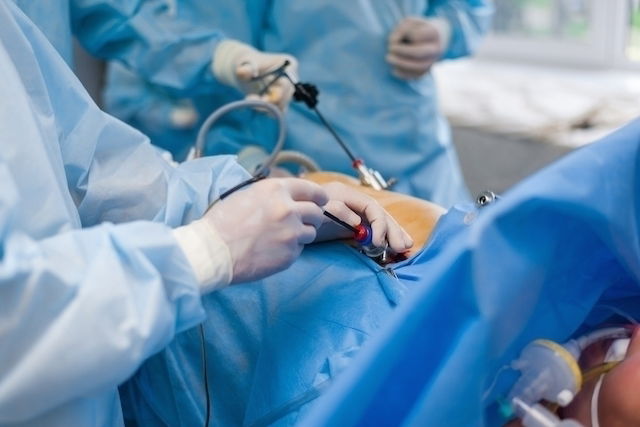
Laparoscopic appendectomy: The appendix is removed through three small incisions, each about 1 cm long. A small camera and surgical instruments are inserted through these openings. This approach generally allows faster recovery and leaves smaller scars, which are often barely noticeable.
-
Open appendectomy: A single incision of about 5 cm is made in the lower right abdomen. This method requires more tissue manipulation, so recovery tends to be slower and the scar is more visible. It is often used when the appendix is very swollen or has already ruptured.
Hospitalization usually lasts 1 to 3 days, depending on the type of surgery and the person’s overall condition. After discharge, it is important to follow the doctor’s instructions to ensure proper recovery.
Post-operative recovery
Recovery time depends on the type of surgery. Open appendectomy generally requires 1 to 4 weeks for full recovery, while laparoscopic appendectomy usually allows for a quicker return to normal activities.
In the first few days, it is common to feel some pain and notice bruising near the surgical site. These symptoms typically improve over time, and doctors may prescribe pain medication if needed.
Post-surgical care
Key recommendations after appendectomy include:
-
Rest for the first 7 days, with short walks allowed, but avoid heavy lifting or strenuous activity
-
Have the wound checked at a clinic every 2 days, with stitches typically removed 8 to 10 days after surgery
-
Drink at least 8 cups of water daily, including warm drinks like tea
-
Eat simple, light meals, such as grilled or boiled lean meats, fish, vegetables, and fruits
-
Gently press on the wound when coughing during the first week
-
Avoid exercise for at least 15 days, and use caution when lifting objects or climbing stairs
-
Sleep on your back for the first 2 weeks
-
Avoid driving during the first 3 weeks, and be careful with the seatbelt pressing against the scar
The time needed to return to work, drive, or resume physical activity depends on the surgical approach and whether complications occurred. The surgeon will determine when these activities can safely restart.
Possible risks
The most common complications after appendectomy are constipation and wound infection. Medical attention is recommended if there is no bowel movement for more than 3 days, or if signs of infection appear, such as redness around the wound, pus discharge, persistent pain, or fever over 100.4°F (38°C).
Although complications are rare, the risks are higher if the appendix has already ruptured.