


Managing anxiety typically involves a combination of cognitive-behavioral therapy and professional medical guidance. Psychiatrists often prescribe antidepressants or antianxiety medications to help alleviate persistent symptoms and prevent future emotional crises.
In addition to clinical interventions, adopting specific lifestyle changes can significantly improve your daily mental health. Regular physical activity, dedicated leisure time, and a balanced diet are effective strategies for reducing stress and enhancing overall well-being.
The most effective approach to treating anxiety varies from person to person based on the severity of their symptoms. It is essential to work closely with a psychiatrist and a psychologist to develop a personalized plan that fits your specific needs.
Medical treatments
The primary methods used to manage and treat anxiety include:
1. Psychotherapy
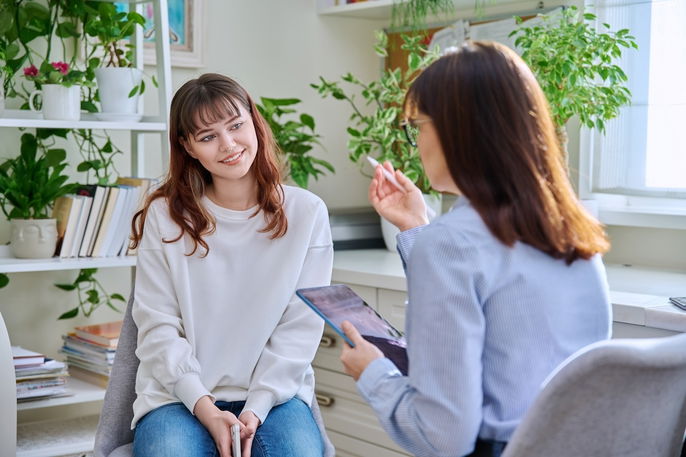
Psychotherapy, including cognitive-behavioral therapy (CBT) or psychodynamic therapy, is a cornerstone of anxiety treatment. These sessions are led by licensed psychologists and provide a safe space to process complex emotions.
In many cases, particularly when symptoms are mild or caught early, psychotherapy alone may be enough to manage the condition. This approach allows many individuals to find relief without the immediate need for prescription medication.
These therapeutic interventions help patients identify and resolve distorted thought patterns while promoting self-awareness. By addressing internal emotional conflicts, patients can develop healthier coping mechanisms for long-term stability.
2. Antidepressants
Antidepressants such as sertraline, escitalopram, paroxetine, or venlafaxine are often the first-line medical choice for treating anxiety. These are typically recommended when therapy alone does not fully relieve a patient's symptoms.
These medications work by balancing neurotransmitters in the brain that regulate mood and emotional health. Over time, they help sustain a sense of well-being and make daily stressors more manageable.
3. Antianxiety medications
Antianxiety medications, including diazepam, clonazepam, or lorazepam, are used to provide rapid relief from acute symptoms. These drugs typically begin working within 30 to 60 minutes of ingestion.
While these medications are highly effective at inducing relaxation and reducing muscle tension, they are intended for short-term use only. Long-term use carries a risk of dependency and side effects like extreme drowsiness or balance issues.
4. Physical activity
Engaging in regular physical activity, such as walking, swimming, or dancing, is a natural way to boost your mood. Practices like yoga, Pilates, and tai chi are also excellent for promoting deep relaxation.
Since exercise releases endorphins that make you feel more relaxed, staying active is a proactive way to prevent anxiety spikes. Consistent movement helps ensure that symptoms remain under control over time.
5. Leisure and hobbies
Dedication to leisure activities and personal hobbies is a vital part of a comprehensive treatment plan. Activities like reading, painting, playing an instrument, or listening to music can distract the mind from chronic worries.
6. Avoiding alcohol
Reducing or eliminating alcohol consumption is a key step in managing anxiety effectively. Although alcohol may feel relaxing initially, it can actually worsen symptoms or trigger a severe anxiety attack later.
7. Smoking cessation
If you smoke, quitting is highly recommended because the nicotine in cigarettes can actually increase feelings of tension. Many people find that their baseline anxiety levels drop significantly after they stop using tobacco products.
Cognitive-behavioral therapy is not only effective for anxiety but is also a proven tool for helping people quit smoking. If you find it difficult to quit on your own, your psychiatrist can suggest specific medications or behavioral programs to assist you.
8. Healthy eating
A nutritious diet supports the gut-brain axis, which is responsible for producing much of the body's serotonin. Increasing serotonin levels through proper nutrition can lead to better emotional regulation and a greater sense of calm.
Focus on incorporating fruits, vegetables, whole grains, and foods rich in omega-3s and magnesium into your meals. Probiotics are also beneficial for maintaining the intestinal health necessary for neurotransmitter production.
To maintain steady energy levels, it is best to avoid greasy fried foods, refined flours, and excessive sugar. Staying hydrated and limiting caffeine intake can also prevent the jitters that often mimic or worsen anxiety.
Natural treatments
Natural approaches, such as drinking herbal teas like chamomile, lemon balm, or lavender, can supplement your clinical care. These herbs are widely recognized for their mild calming effects and ability to help the body relax.
Other natural supplements that may support anxiety reduction include valerian root and passionflower. It is important to remember that these natural options should complement, not replace, the treatment plan prescribed by your doctor.