


- Anxiety symptoms that last longer than a week may need evaluation by a pediatrician or child psychologist.
- Frequent nightmares, trouble sleeping, or returning to behaviors like thumb sucking can signal anxiety in children.
- Anxiety that interferes with school, sleep, or social activities may require professional support.
Anxiety in children can cause symptoms such as increased irritability, crying, frequent nightmares, trouble falling asleep, and waking up several times during the night. These signs may appear during stressful life changes and can affect a child’s daily routine.
It is common for children to show signs of anxiety when parents separate, when the family moves, when they change schools, or when someone close to them dies. During these more difficult situations, parents should pay close attention to the child’s behavior to see whether the child is adjusting or developing excessive and irrational fears.
In some cases, a child may have excessive anxiety without a clear cause, and the worries do not go away or improve over time. When this happens, the child should be evaluated by a pediatrician or child psychologist so that appropriate strategies can be developed to help manage anxiety and stress.
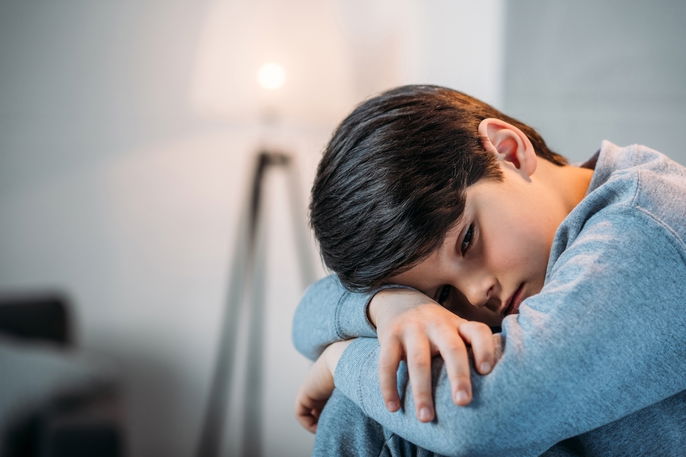
Main symptoms
The main signs and symptoms of anxiety in children are:
-
Being more irritable and tearful than usual.
-
Having trouble falling asleep.
-
Waking up more often than usual during the night.
-
Starting to suck their thumb again or wetting their pants or the bed.
-
Having frequent nightmares.
In addition, the child may seem less confident, have trouble concentrating, and want to avoid normal daily activities, such as going out with friends or going to school.
According to the CDC, anxiety in children can also present as irritability and trouble sleeping, and some children may keep their worries to themselves, which can make symptoms harder to notice.
When these symptoms are mild and brief, they’re usually nothing to worry about and may simply indicate short-term anxiety. However, if they persist for more than a week, parents or caregivers should take notice and provide support to help the child through this period.
Risk factors
Episodes of anxiety in children do not have one specific cause. However, some factors may increase the chances of a child going through periods of excessive anxiety, such as:
-
A family history of anxiety.
-
Shyness.
-
Stressful experiences, such as the loss of a loved one.
-
Alterations in neurotransmitters in the brain.
-
Female sex.
Living in a stressful family environment can also reinforce anxious behaviors, especially when the child repeats behaviors they observe at home.
How to help
When a child experiences ongoing anxiety, parents, caregivers, and other family members play an important role in helping break the cycle and restore well-being.
According to the American Academy of Pediatrics, if a child’s anxiety starts to interfere with normal activities such as sleeping alone, playing outside, or going to school, the child may need extra support and parents should discuss strategies with a pediatrician.
Ideally, whenever excessive or persistent anxiety is suspected, a child psychologist should be consulted for a proper evaluation and guidance tailored to the child’s needs.
Some tips that can help manage anxiety in children include:
1. Not avoiding the child’s fears
Children with anxiety often develop fears, such as going outside, going to school, or even talking to other people. In these situations, it is important not to completely shield the child from what they fear, because avoiding those situations may make the child believe there is a real reason to stay away from them.
At the same time, the child should not be forced to face their fears, since too much pressure can make the situation worse. The best approach is to respond naturally and, whenever possible, show the child that it is possible to work through that fear.
2. Validating the child’s feelings
When trying to reduce a child’s fear, it is common for parents or caregivers to say that the child should not worry or does not need to be afraid. Even when said with good intentions, these phrases may feel invalidating, and the child may think that what they are feeling is wrong or does not make sense.
For this reason, it is best to talk openly with the child about their fears and feelings, while reassuring them that they are supported and that help is available.
3. Limiting anticipation before stressful events
Another way to help a child cope with anxiety is to show that anxiety is temporary and usually passes, even when it feels overwhelming.
Whenever possible, it may help to reduce the amount of time the child spends anticipating a stressful activity. For example, if the child is afraid of going to the dentist, parents can mention the appointment only 1 or 2 hours beforehand, instead of giving the child many hours to worry about it.
4. Exploring the situation that causes anxiety
Sometimes it can help the child talk about what they’re feeling and think through the situation more logically. For example, if the child is afraid of going to the dentist, parents can ask what they believe happens there and then explain why dental visits are important.
If the child feels comfortable, it may also help to talk through the worst thing they think could happen and make a plan for how to handle it if needed.
In many cases, anxiety becomes more manageable when the child feels prepared for the worst-case scenario, which can help build confidence and reduce fear.
5. Engaging in calming activities together
Doing calming activities with the child may help lower anxiety by redirecting their attention and easing symptoms.
Some options include counting the number of people wearing shorts who pass by on the street, listening to music, singing a song, or trying a relaxation exercise that involves taking a deep breath in for 3 seconds and breathing out for another 3 seconds.