


- Antiseptics help reduce or eliminate bacteria, viruses, and fungi on the skin or mucous membranes.
- Common types include alcohol, chlorhexidine, povidone-iodine, hydrogen peroxide, benzalkonium chloride, chloroxylenol, and hexylresorcinol.
- Antiseptics should be used as directed, since incorrect use can cause irritation, burns, allergic reactions, or other adverse effects.
Antiseptic products are applied to the skin or mucous membranes to reduce, eliminate, or inactivate microorganisms such as bacteria, fungi, and viruses. They may be used to clean the skin before surgery or for hand hygiene to help prevent the spread of infection.
There are different types of antiseptics with antibacterial, antifungal, and/or antiviral properties, including ethyl alcohol, chlorhexidine, and povidone-iodine. They should only be used on the skin or mucous membranes as directed, as some antiseptics may not be recommended during pregnancy or breastfeeding.
Antiseptics can cause side effects such as skin burns, contact dermatitis, irritation, or allergic reactions. For this reason, they should be used according to medical guidance and at the recommended concentration and dose.
Main uses
Antiseptics may be used for:
-
Hand hygiene to help prevent the spread of infection
-
Disinfecting mucous membranes before medical procedures, such as inserting a urinary catheter
-
Disinfecting the hands before surgery or invasive medical procedures
-
Treating certain infections of the skin, mouth, or throat with topical products, rinses, lozenges, or solutions
-
Cleaning a newborn's skin and umbilical cord to help prevent infection
-
Cleaning and disinfecting wounds, cuts, and burns
-
Managing periodontal disease with oral rinses and helping prevent ventilator-associated pneumonia
Because antiseptics have many different uses, the appropriate product should be selected based on its intended purpose and the recommendation of a healthcare professional.
Antiseptic vs disinfectant
Antiseptics and disinfectants are both chemical products, and some may contain similar ingredients, such as ethyl alcohol.
However, antiseptics are used on the skin or mucous membranes to help prevent or treat infections, clean wounds, or disinfect the hands before surgery, for example.
Disinfectants are used on surfaces, contaminated objects, or surgical instruments. They may contain chemicals such as glutaraldehyde, sodium hypochlorite, peracetic acid, formaldehyde, or isopropyl alcohol and should not be applied to the skin or mucous membranes unless the specific product is formulated and labeled for that purpose.
Main types
Some commonly used antiseptics include:
1. Ethyl alcohol
Ethyl alcohol, also called ethanol, is highly effective against many types of bacteria, viruses, and fungi and works quickly.
Alcohol solutions containing about 60% to 90% alcohol have strong antimicrobial activity. The water in these solutions helps alcohol denature microbial proteins more effectively than very high concentrations of alcohol.
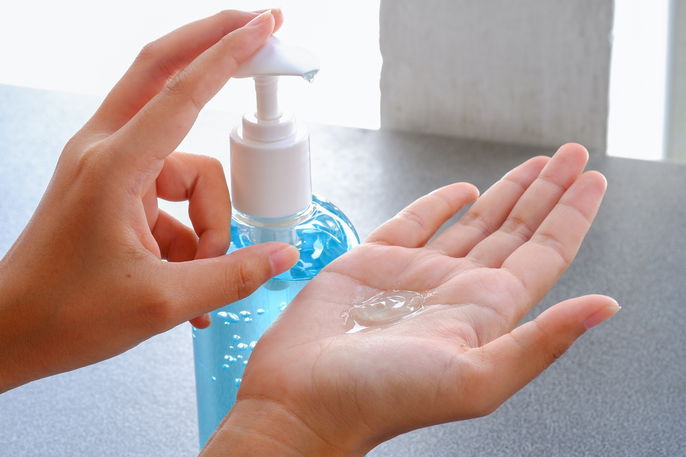
Alcohol-based products are available as liquids or gels and may be used for hand hygiene and skin antisepsis, such as before a blood draw. For hand sanitizer, the CDC recommends products containing at least 60% alcohol when soap and water are not available.
Liquid alcohol may also be used on certain surfaces when the product is specifically labeled for surface disinfection.
Does homemade hand sanitizer work?
Many recipes online explain how to make hand sanitizer at home. However, homemade hand sanitizer is not recommended because it can be difficult to ensure that the finished product contains the correct alcohol concentration needed to effectively reduce germs.
In addition, incorrect ingredients or preparation methods may reduce the product's effectiveness or increase the risk of contamination.
2. Chlorhexidine
Chlorhexidine is a colorless antiseptic available in different concentrations and formulations, with uses that vary depending on the product.
Although it has weaker activity against some fungi and viruses, chlorhexidine is commonly used for skin antisepsis, preoperative skin preparation, healthcare handwashing, certain wound-cleansing products, and prescription antiseptic mouth rinses.
Some chlorhexidine skin preparations are combined with alcohol, which can increase their antimicrobial activity and are used to prepare the skin before surgical and other medical procedures.
3. Povidone-iodine
Povidone-iodine is a brown-colored antiseptic commonly used to disinfect intact skin, including before certain medical procedures. Depending on the formulation, it may also be used for first aid to help reduce the risk of infection in minor cuts, scrapes, and burns.
People who have had an allergic reaction to iodine-containing products should tell their doctor, nurse, or other healthcare professional before povidone-iodine is used. This allows another antiseptic to be selected when necessary.
4. Hydrogen peroxide
Hydrogen peroxide is an antiseptic found in some first-aid products for minor cuts, scrapes, and burns. However, it is not generally recommended for routine wound cleaning because it can irritate the tissue.
A commonly available topical concentration is 3%. Hydrogen peroxide products should be used according to the label or the advice of a healthcare professional.
Hydrogen peroxide is not effective against every type of microorganism and should not be considered an all-purpose antiseptic.
5. Benzalkonium chloride
Benzalkonium chloride is an antiseptic ingredient found in some topical first-aid and skin-cleansing products.
Depending on the formulation, it may be used to reduce microorganisms on the skin or to help prevent infection in minor cuts, scrapes, and burns.
The appropriate concentration and use depend on the specific product, so benzalkonium chloride should be used according to the Drug Facts label.
6. Chloroxylenol
Chloroxylenol, also known as PCMX, is an antimicrobial ingredient used in some antiseptic skin-cleansing products in the United States.
Its concentration and intended use vary by product. Products containing chloroxylenol should be used according to the label or as directed by a healthcare professional.
7. Hexylresorcinol
Hexylresorcinol is an active ingredient found in some over-the-counter oral healthcare products, including certain throat lozenges.
Depending on the formulation, these products may be used for temporary relief of minor sore throat, sore mouth, or canker sore pain.
Hexylresorcinol products should be used according to the age restrictions, dose, and duration stated on the Drug Facts label.
When to avoid
Unless recommended by a healthcare professional, antiseptics should not be used on surgical wounds, pressure ulcers, or wounds containing foreign objects. A healthcare professional should be consulted before using an antiseptic on deep or puncture wounds, animal or human bites, or serious burns.
Antiseptics should not be swallowed, and products intended for the skin should not be used in the eyes. If an antiseptic accidentally gets into the eyes, rinse thoroughly with water. If swallowed, seek medical help or contact a Poison Control Center right away.
Antiseptics should also not be used by anyone who is allergic to an ingredient in the product.
What not to use
Some substances historically used as antiseptics are not commonly recommended for routine skin antisepsis. Mercury-containing antiseptic products have largely fallen out of use because of safety concerns, while ether and eosin are not standard choices for routine antiseptic wound care.
Triclosan should not be used as an active ingredient in routine over-the-counter consumer antiseptic wash products. The FDA determined that triclosan and several other ingredients could not be marketed for this use because sufficient evidence had not been provided to establish their safety and effectiveness.
Homemade hand sanitizer should also be avoided because incorrect preparation may result in an ineffective product or cause adverse effects. FDA recommends using commercially available hand sanitizer instead of making it at home.
