


The anti-inflammatory diet is an eating plan that focuses on reducing chronic inflammation, a key factor linked to conditions like arthritis, diabetes, and heart disease. By lowering inflammation, this diet can also help improve overall health and reduce the risk of long-term complications.
This diet emphasizes foods rich in antioxidants, omega-3s, fiber, and healthy fats, such as fruits, vegetables, fatty fish, nuts, and whole grains. At the same time, it limits processed foods, added sugars, and red meat, which are known to trigger inflammation in the body.
Following an anti-inflammatory diet may support gut health, boost immunity, and lower the risk of certain cancers. It can also slow down aging processes by reducing free radical damage, making it a powerful approach to disease prevention and healthy living.
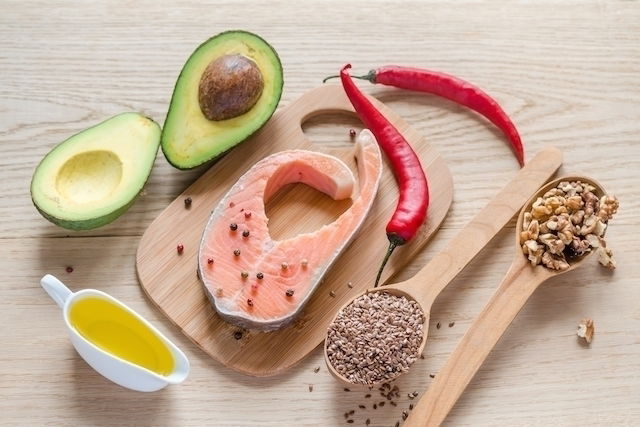
Foods that are naturally anti-inflammatory
To follow an anti-inflammatory diet, most of what you eat should be minimally-processed. Examples of anti-inflammatory foods include:
- Herbs: oregano, thyme, cilantro, parsley, mint, or rosemary;
- Spices: turmeric, cinnamon, curry, garlic, cloves, ginger or onion;
- Fatty fish high in omega-3s: tuna, sardines, mackerel, and salmon;
- Seeds: flax, chia, pumpkin, or sesame;
- Fresh fruits: oranges, apples, peaches, pears, avocado, watermelon, cherries, strawberries, blueberries, raspberries, or blackberries;
- Nuts: almonds, walnuts, pecan, pistachio, hazelnuts, peanuts, Brazil nuts;
- Probiotics: yogurt, kombucha, or kefir;
- Vegetables: broccoli, cauliflower, cabbage, spinach, lettuce, brussel sprouts, kale, carrots, celery, and tomatoes;
- Healthy fats: coconut oil, olive oil, flax or chia seeds.
- Legumes, such as beans, lentils, chickpeas, and soybeans;
- Whole grains: brown rice, oats, barley, quinoa, whole-wheat bread, and whole-wheat pasta.
The above-listed foods should, as much as possible, be grilled, sautéed, roasted, steamed, or eaten raw.
Many of these foods contain antioxidants, such as beta-carotenes, polyphenols, anthocyanins, among other phytonutrients. These antioxidants are essential for fighting inflammation.
Fat-free milk and dairy products can take part of the anti-inflammatory diet, or can be replaced with plant-based milks, such as almond, oat, or pea milk. In addition, all refined grains, such as white bread, pasta, or white rice, should be replaced with whole grain versions, as they are far more rich in fiber, vitamins and minerals.
What to avoid
There are some foods that should be avoided in the diet as they promote inflammation and increase the risk of diseases such as obesity, cancer, or diabetes. These foods include:
- High-fat foods such as bacon, all deep-fried foods, whole-fat cheeses, whole milk, margarine, butter, pizza, frozen lasagna, and mayonnaise;
- Processed and deli meats such as sausages, pepperoni, ham, salami, pastrami, roast beef, and bologna.
- High sugar foods, such as cookies, soft drinks, ice cream, artificial juice drinks, and pastries, among others;
- Red meats such as beef, lamb, and pork;
- Refined grains, such as white rice, white pasta, and white bread.
The foods listed above can be consumed in moderation as part of a usual diet, but they need to be eliminated completely if following an anti-inflammatory diet.
Possible benefits
Some of the long-term benefits of an anti-inflammatory diet include:
1. Combating inflammation
An anti-inflammatory diet helps to treat low-grade inflammation in the body, which is a factor in several diseases.
This is because this diet helps reduce inflammatory biomarkers such as C-reactive protein, interleukin-6 (IL-6), and tumor necrosis factor alpha (TNF-α).
Furthermore, an anti-inflammatory diet also improves the body's antioxidant capacity. It helps to combat oxidative stress, which often triggers inflammation.
2. Reducing the risk of chronic diseases
An anti-inflammatory diet helps reduce the risk of chronic diseases such as atherosclerosis, stroke, diabetes, metabolic syndrome, and obesity.
These benefits are possible because this diet, over time, can improve lipid and glycemia levels in the blood profile, while also lowering blood pressure.
3. Promoting gut health
An anti-inflammatory diet promotes gut health by increasing the diversity of beneficial bacteria in the bowels, improving the integrity of the intestinal walls and improving intestinal transit.
4. Reduce cancer risk
An anti-inflammatory diet helps reduce the risk of certain types of cancer, such as colorectal, breast, prostate, and head and neck cancer.
This is because some foods can inhibit the activation of pro-inflammatory pathways and protect against the development of cancer cells.
3-day anti-inflammatory diet plan
This table shows a sample 3-day menu on an anti-inflammatory diet:
This diet plan is a general example. The amounts indicated will vary according to age, sex, physical activity and health history. It is important to consult with a registered dietitian for a thorough assessment and to develop a meal plan tailored to all individual needs.