


Anoxic brain injury happens when the brain is deprived of oxygen. It can cause symptoms such as headache, confusion, trouble concentrating, loss of consciousness, or seizures.
It may occur after a stroke, cardiac arrest, or near drowning. It can also happen before, during, or shortly after birth, which is called perinatal asphyxia.
Treatment is provided in a hospital by a neurologist or critical care physician. The goal is to restore oxygen to the brain and reduce the risk of complications such as movement problems, coma, or irreversible loss of brain function.
Common symptoms
The main symptoms of anoxic brain injury are:
-
Headache;
-
Difficulty concentrating;
-
Mood changes;
-
Dizziness or confusion;
-
Increased heart rate;
-
Trouble breathing;
-
Bluish lips or nails;
-
Tremors;
-
Loss of consciousness;
-
Seizures.
A lack of oxygen to the brain can lead to brain cell death after about 4 minutes without oxygen. This can cause irreversible brain damage, coma, and even brain death.
How severe the injury is also depends on which part of the brain is affected. Because the central nervous system has very limited ability to regenerate, some damage may be permanent.
The longer the brain goes without oxygen, the more serious the consequences can be. For this reason, treatment should begin as quickly as possible in the hospital.
Confirming a diagnosis
Diagnosis of anoxic brain injury is made in the hospital by a critical care physician or neurologist based on symptoms, medical history, and blood tests that assess oxygen levels in the body, such as an arterial blood gas (ABG) test.
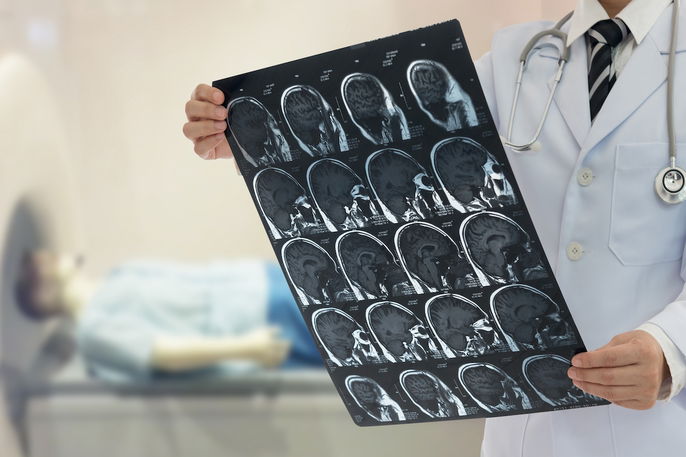
To confirm the diagnosis and identify which area of the brain is affected, the physician may order imaging tests such as an MRI, CT scan, or PET-CT. An electroencephalogram (EEG) may also be done to assess the brain’s electrical activity.
Possible causes
The main causes of anoxic brain injury are:
-
Stroke;
-
Heart attack or cardiac arrhythmia;
-
Cardiac arrest;
-
Drowning, asphyxiation, or suffocation;
-
Carbon monoxide poisoning;
-
Drug overdose;
-
Hanging;
-
High altitude exposure;
-
Electric shock;
-
Hypovolemic shock.
In addition, anoxic brain injury can also occur during a severe asthma attack or from severe bronchitis, which may reduce oxygen delivery to the brain.
Perinatal asphyxia
Anoxic brain injury can occur immediately before, during, or shortly after delivery. It is one of the main causes of perinatal asphyxia (also called birth asphyxia).
Perinatal anoxic brain injury can also result from complications such as amniotic fluid embolism, uterine rupture, premature placental abruption, or a knot in the umbilical cord.
Treatment options
Treatment for anoxic brain injury is provided in the hospital by a critical care physician or neurologist. The main goal is to restore oxygen levels in the brain and prevent complications.
Treatment for anoxic brain injury may include:
-
Oxygen therapy or mechanical ventilation;
-
Cardiopulmonary resuscitation (CPR), in cases of cardiac arrest;
-
Medications intended to support oxygen delivery to the brain;
-
Medications to control blood pressure and heart rate;
-
Therapeutic hypothermia, which lowers body temperature to reduce brain metabolism and help protect brain cells.
In addition, studies using embryonic stem cells suggest it may be possible to reverse some consequences of anoxic brain injury. However, further research is still needed before embryonic stem cell therapy can be considered an option for this condition.
Possible complications
Complications of anoxic brain injury depend on how long the brain was without oxygen and which area was affected. It may lead to long-term effects such as:
-
Difficulty concentrating or paying attention;
-
Memory loss;
-
Movement problems, which may affect walking, speaking, or eating;
-
Blindness;
-
Tingling or weakness in the arms or legs;
-
Balance problems;
-
Abnormal body movements or tremors.
Depending on the area affected, anoxic brain injury may also cause personality changes, problems with perception or judgment, mood changes, or depression. More severe complications include coma and brain death.
In babies, anoxic brain injury may also cause cerebral palsy.