


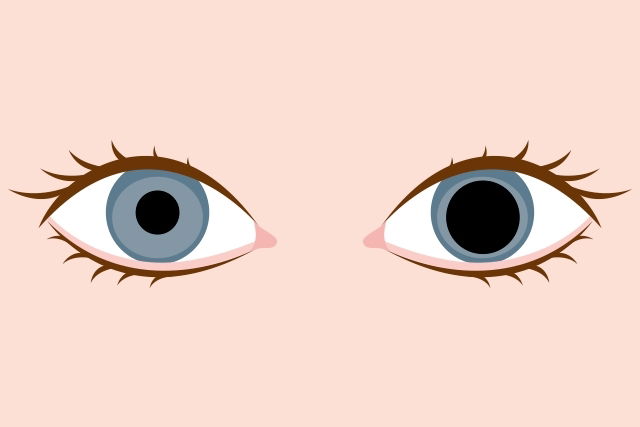
Anisocoria is a condition in which the pupils are different sizes, with one being more dilated than the other. The pupils are the dark centers of the eyes that expand or contract depending on the amount of light in the environment.
A difference in pupil size can sometimes occur in healthy people without any specific cause. However, anisocoria can also be triggered by conditions such as migraine, inflammation of the optic nerve, the use of certain medications, or a head injury.
It’s important to see an ophthalmologist to determine what’s causing anisocoria and to assess whether treatment is needed.
Main causes
Anisocoria can be a sign of:
1. Head injury
A strong blow to the head, such as from a car accident or contact sport, can lead to a traumatic brain injury. This may cause small skull fractures or bleeding in the brain, which can put pressure on the area that controls the eyes and result in anisocoria.
If anisocoria appears after a head injury, it can be a sign of bleeding inside the brain. Other possible symptoms include bleeding from the nose or ears, severe headache, confusion, and loss of balance.
What to do: Seek immediate medical help by calling 911. Avoid moving the neck, especially after a car accident, since spinal injuries may also be present.
2. Migraine
In some cases, migraines can affect the eyes and cause drooping of one eyelid or dilation of one pupil.
To determine if anisocoria is caused by a migraine, it’s important to check for other migraine symptoms such as an intense headache (usually on one side of the head), blurred vision, sensitivity to light, difficulty concentrating, or sensitivity to noise.
What to do: Resting in a dark, quiet room can help relieve migraine pain. Doctors may also prescribe medication if migraines occur frequently. Drinking feverfew tea, a natural remedy known to help relieve headaches and migraines, may also provide relief. (Note: feverfew is recognized as safe for use in the US but should be discussed with a healthcare provider.)
3. Optic neuritis
Optic neuritis, or inflammation of the optic nerve, can occur for several reasons but is most common in people with autoimmune diseases like multiple sclerosis or in those with viral infections such as chickenpox or tuberculosis. This inflammation interferes with the transmission of visual information from the eye to the brain, and if it affects only one eye, it can cause anisocoria.
Other common symptoms of optic neuritis include vision loss, eye pain when moving the eye, and difficulty distinguishing colors.
What to do: Optic neuritis is treated with corticosteroids prescribed by a doctor, usually given intravenously at first. If someone with an autoimmune or viral condition develops eye symptoms, they should go to the hospital right away.
4. Brain tumor, aneurysm, or stroke
In addition to head trauma, other brain conditions such as a tumor, aneurysm, or stroke can put pressure on the brain and affect the part responsible for controlling pupil size.
If anisocoria occurs without an apparent reason or is accompanied by symptoms such as tingling, fainting, or weakness on one side of the body, immediate medical attention is required.
What to do: Go to the hospital to determine the cause and begin the most appropriate treatment.
5. Adie’s pupil
Adie’s pupil, also known as Adie’s tonic pupil, is a rare condition where one pupil doesn’t react to light and stays constantly dilated, as if in a dark environment. This type of anisocoria is easier to notice in bright sunlight or when taking a photo with a flash.
Although it’s not a serious condition, it can cause blurred vision, difficulty focusing, light sensitivity, and frequent headaches.
What to do: There is no specific treatment for Adie’s pupil, but an ophthalmologist may recommend prescription glasses to correct blurred vision and sunglasses to help reduce light sensitivity.
6. Medication use and other substances
Certain medications can cause anisocoria, including clonidine, some eye drops, scopolamine patches, and ipratropium aerosol if it comes into contact with the eyes. Exposure to other substances such as cocaine or organophosphate insecticides (found in pet collars or sprays) can also cause changes in pupil size.
What to do: If anisocoria occurs after using drugs, chemicals, or medications, seek medical care or call 911. If the condition seems related to prescribed medication, contact the prescribing doctor to discuss adjusting or discontinuing treatment.
7. Meningitis
Meningitis is an infection that causes inflammation of the meninges, the membranes covering the brain and spinal cord. It can be caused by viruses, bacteria, parasites, or fungi.
Meningitis can cause anisocoria due to increased intracranial pressure from inflammation in the brain. Other symptoms of meningitis include nausea, vomiting, fever, weakness, neck stiffness and pain, and blurred vision.
What to do: Go to the hospital immediately if meningitis symptoms appear so diagnosis and treatment can begin as soon as possible, preventing permanent complications.
8. Glaucoma
Glaucoma is an eye disease that increases pressure inside the eye, which can lead to dilation of the pupil. It may cause pain and redness in the eyes or be completely asymptomatic.
What to do: If glaucoma is suspected, consult an ophthalmologist for diagnostic tests and to start appropriate treatment to prevent vision loss.
Confirming a diagnosis
Anisocoria should be diagnosed by an ophthalmologist, who will examine the pupils to see how they respond to changes in light.
If other symptoms are present, the doctor may recommend additional tests such as X-rays, magnetic resonance imaging (MRI), or computed tomography (CT) scans to identify the underlying cause.