


- Anisocytosis occurs when red blood cells vary in size and is most often identified through the RDW value on a CBC.
- An RDW above 14 percent suggests size variation commonly linked to anemia, nutrient deficiencies, or certain medical treatments.
- Mild anisocytosis can appear even with otherwise normal results, making full CBC evaluation essential for proper assessment.
Anisocytosis is a term used to describe when red blood cells vary in size, meaning larger, smaller, or normally sized cells can all be seen circulating in the blood. This finding is usually detected during a complete blood count (CBC), especially through the RDW value.
The condition can also be identified by examining blood cells under a microscope. Because red blood cell size can change for many reasons, the RDW result should always be reviewed alongside other CBC parameters.
A healthcare provider is the one who determines whether the RDW variation is important and whether additional evaluation or treatment is needed, depending on the results of the full blood count.
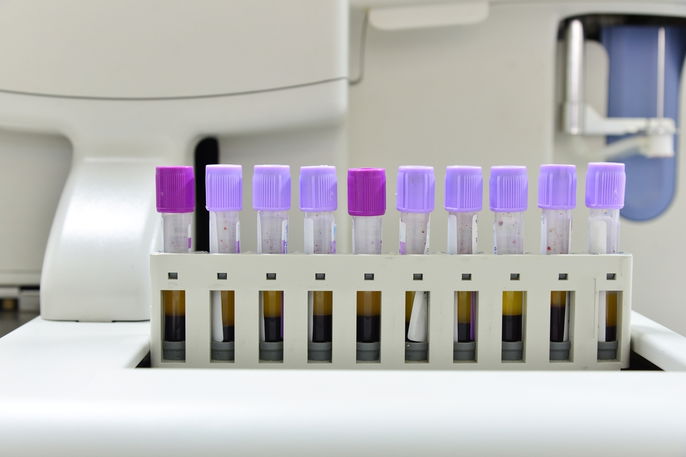
How to identify
Anisocytosis is identified through a CBC and by examining blood cells under a microscope. In cases of anisocytosis, the red blood cells may appear larger or smaller than usual when their characteristics are evaluated.
Aside from microscopic observation, anisocytosis is also confirmed by checking the RDW value reported on the CBC. This index shows whether there is variation in red blood cell size. An RDW higher than 14 percent is considered anisocytosis.
What results mean
An RDW result above 14% indicates anisocytosis, meaning there is noticeable variation in the size of the red blood cells. Some of the most common situations that may lead to anisocytosis include:
-
Anemia
-
Nutritional deficiencies
-
Thalassemia
-
Chemotherapy
-
Treatment with antivirals
-
Liver conditions
According to the Centers for Disease Control and Prevention (CDC), RDW levels are commonly used to help identify nutritional deficiencies such as iron, folate, and vitamin B12 deficiency anemia, which directly influence red blood cell size.
Because anisocytosis has many possible causes, the doctor will assess the RDW value together with other CBC results, such as hemoglobin concentration, MCV, and MCH. This helps determine the reason for the size variation and whether treatment is needed.
What does mild anisocytosis mean?
Mild anisocytosis is a term that may appear on the CBC when the RDW is slightly higher than the normal range but no other CBC abnormalities are present. Even so, the result should be reviewed by the doctor who ordered the test.