


Anamu is a medicinal plant traditionally used to help relieve headaches, anxiety, and rheumatism. Its benefits come from compounds like flavonoids, alkaloids, coumarin, and dibenzyl trisulfide, which have anti-inflammatory, pain-relieving, and antimicrobial properties.
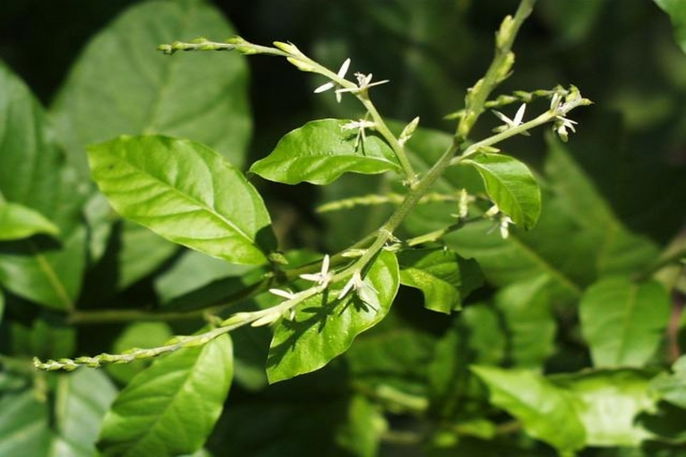
The leaves of the anamu plant (Petiveria alliacea), also known as skunk root or guinea hen weed, are the most commonly used part because they contain the highest concentration of active compounds.
Although anamu can be easily found in natural product stores and some pharmacies, its use should always be guided by a doctor or herbal specialist. Since dosage has not been well established, using it incorrectly may lead to toxicity.
Health Benefits
The most common benefits of anamu may include:
1. Headache relief
Anamu has long been used to ease headaches and other mild pains. Some of its compounds may act on the nervous system to reduce the perception of pain. Animal studies suggest that extracts of the leaves can lower pain responses, likely due to the action of flavonoids and terpenes.
2. Support for rheumatic and joint problems
Anamu is often used to support people with rheumatic and joint issues because of its potential anti-inflammatory effects. Preclinical studies indicate that its leaf extract may help reduce rheumatism-like symptoms, improve mobility, and ease joint discomfort.
3. Relief of respiratory symptoms
In traditional practices, anamu is used for lung infections and respiratory conditions, helping to relieve symptoms like coughing. These effects may be linked to antimicrobial compounds that can provide complementary support in treating mild respiratory infections.
4. Support against infections
Anamu has been used in traditional medicine as an aid in fighting mild infections, thanks to its activity against different types of microorganisms. Laboratory studies confirm that some of its compounds have antimicrobial properties, supporting its use alongside medical treatment for non-severe bacterial or fungal infections.
5. Support for metabolic health
Animal studies suggest that extracts of anamu leaves may protect the kidneys from damage caused by metabolic conditions such as diabetes. This potential benefit is linked to compounds that help reduce organ damage and improve blood sugar control, which may lower the risk of complications.
6. Support for emotional and neurological health
Anamu has traditionally been used to ease nervousness, anxiety, and other emotional conditions. Preliminary studies suggest that its compounds may positively influence nervous system activity, although evidence in humans is still limited. These effects may help balance mood and reduce stress responses.
How to use
Anamu can be prepared and used in different forms:
-
Tea: steep 2 tablespoons (20 g) of dried anamu leaves in a cup of boiling water
-
Capsules: usually made with anamu extract, with a common daily dose of about 1000 mg, divided into two 500 mg doses
-
Liquid extract: can be diluted in water, tea, or juice, but dosage should be prescribed by a healthcare professional since there is not enough research to establish a safe standard amount
Before using anamu leaves or extracts in any form, it is important to consult a doctor or trained herbal specialist to ensure safe and appropriate use.
Possible side effects
Using anamu in large amounts or for long periods may cause drowsiness, irritability, confusion, and nervous system problems. The risk of side effects depends on both the dose and the type of preparation used. For this reason, anamu should not be used without medical guidance or supervision from a professional experienced with medicinal plants.
Who should not use it
Anamu should not be used by pregnant women because it may have abortive effects, nor by breastfeeding women or children. It should also be avoided by people with circulatory or heart problems and those taking anticoagulants such as warfarin, since it can increase the risk of bleeding.