


Alfalfa sprouts are a medicinal plant used to improve liver function, reduce fluid retention, regulate blood sugar levels, decrease cholesterol, control high blood pressure, prevent infections, and alleviate symptoms of menopause.
These benefits are due to bioactive substances like polyphenols, isoflavones, and saponins, as well as vitamins and minerals, with antioxidant, anti-inflammatory, cardioprotective, and diuretic properties.
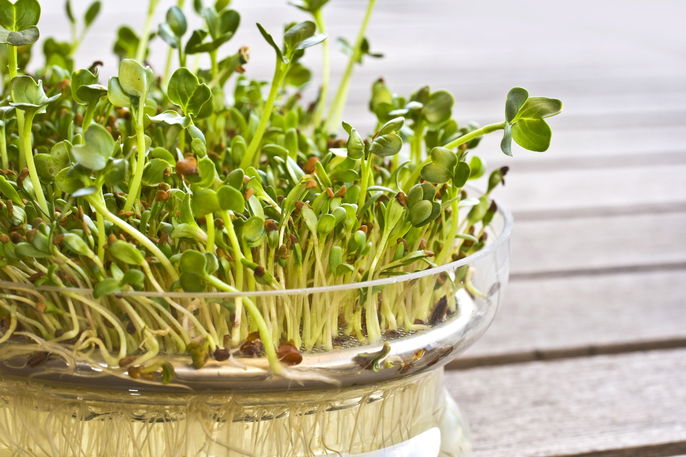
Alfalfa sprouts (Medicago sativa) can be found at grocery stores and farmers' markets and used in soups and salads. The dried leaves and roots of the alfalfa plant cans also be used to make teas or a tincture.
Health benefits
The main benefits of alfalfa sprouts are:
1. Protecting heart health
Alfalfa sprouts contain saponins that help lower levels of LDL cholesterol in the blood by inhibiting the enzymes that metabolize cholesterol and preventing the accumulation of cholesterol in the body to maintain a healthy heart.
This plant also helps increase levels of HDL cholesterol that protects cardiovascular health and prevents diseases like heart attack and atherosclerosis.
2. Helping control diabetes
Alfalfa sprouts contain compounds that stimulate the secretion of insulin, a hormone produced by the pancreas that is necessary for regulating blood sugar levels. They also contain large quantities of manganese, which possesses hypoglycemic properties that are important for people with diabetes.
3. Preventing inflammation
Alfalfa sprouts contain anti-inflammatory substances that act on the immune system to inhibit certain inflammatory responses and complement the treatment of inflammatory bowel disease, arthritis, and allergies, for example.
4. Relieving symptoms of PMS
Alfalfa sprouts are rich in phytoestrogens, which are substances that mimic the action of estrogen and are effective at relieving symptoms of PMS or menopause, such as abdominal pain, headache, nervousness, and hot flashes.
5. Supporting weight maintenance and weight loss
Alfalfa sprouts contain good quantities of water and fiber to help increase satiety (feeling of fullness) between meals and decrease appetite, helping you eat less and lose weight.
This plant is also very low in calories with only 23 calories per 100 g serving, making it a good food to include as part of healthy diet to help with weight control.
6. Preventing liver damage
Alfalfa sprouts contain anti-inflammatory and antioxidant substances like phenols and flavonoids that help regulate levels of liver enzymes to prevent liver damage in addition to helping detoxify the body in general.
7. Controlling blood pressure
Alfalfa sprouts are rich in antioxidant compounds and minerals like magnesium and potassium that possess diuretic and anti-inflammatory properties that help relax the blood vessels and eliminate excess sodium from the body. Alfalfa sprouts may be helpful in preventing high blood pressure as well as controlling blood pressure in people with hypertension.
Check out other natural remedies for high blood pressure.
8. Preventing osteoporosis
Alfalfa is also rich in vitamin K, which is necessary for binding calcium to the bones. Vitamin K is important for bone growth and development in children and bone health and maintenance in adults, helping prevent the development of osteoporosis.
9. Reducing fluid retention
Alfalfa sprouts have diuretic and circulatory properties that help reduce fluid retention and edema in the body and treat associated conditions like kidney, heart, and liver problems.
10. Improving clotting
Alfalfa sprouts may help with blood clot formation due to good quantities of vitamin K, which is important for preventing bleeding and hemorrhage from wounds or surgical procedures.
It is important for people taking anticoagulants to limit their consumption of alfalfa sprouts, as vitamin K can reduce the efficacy of these medications.
11. Preventing urinary tract infections
Alfalfa sprouts are a natural diuretic that helps improve urine flow to prevent the accumulation of harmful bacteria in the urinary tract, which is useful for preventing and helping to treat urinary tract infections (UTIs).
Can alfalfa sprouts help with milk supply?
Alfalfa sprouts may help increase breast milk production due to estrogenic isoflavones like genistein and daidzein, which have a similar effect to estrogen produced naturally in the body. Alfalfa sprouts should be consumed cooked and in small amounts during lactation and can be added to soups or salads.
Alfalfa supplements and alfalfa tea are not recommended during lactation due to the higher quantity of estrogenic isoflavones that can pass to the baby in small amounts through the breast milk. There are still no scientific studies regarding the effects of these isoflavones on the baby or whether other components of alfalfa sprouts are excreted through the breast milk.
For this reason, alfalfa should only be used during lactation under the supervision of a doctor, registered dietitian, or herbal medicine specialist.
Also recommended: How to Increase Milk Supply: 9 Tips to Boost Production tuasaude.com/en/how-to-increase-milk-supplyNutrition facts
The following table provides nutritional information for a 100 g serving of raw alfalfa sprouts and a 33 g serving of raw alfalfa sprouts, which is equal to 1 cup:
In order to take advantage of the benefits listed above, it is important to include alfalfa sprouts as one part of a healthy, well-balanced diet combined with regular physical exercise.
How to consume
Alfalfa sprouts are very nutritious and low in calories, with a mild flavor, and should be consumed raw to take advantage of all of their nutrients and health benefits. The leaves and roots of the alfalfa plant can be used in salads, soups, and as a filling for sandwiches, and can also be consumed in the form of juice or tea.
1. Alfalfa tea
Alfalfa tea should be prepared using the dried leaves and roots of the alfalfa plant.
Ingredients
- 20 mg dried alfalfa leaves or roots;
- 500 mL (16 oz) water.
Directions
Boil the water and remove from the heat. Add the alfalfa. Let steep for about 5 minutes, then strain and let cool. Drink 3 times a day.
2. Alfalfa sprouts
Alfalfa sprouts can be added to recipes for salads, soups, or sandwiches.
To make a salad, try adding a handful of alfalfa sprouts to other greens like lettuce or arugula along with cherry tomatoes or carrots and dress with extra virgin olive oil.
The ideal amount of alfalfa to include in your diet should be determined by a registered dietitian based on your individual nutritional needs, and should be included as part of a healthy, well-balanced diet.
While breastfeeding it is recommended to cook alfalfa sprouts to decrease the risk of foodborne illness from Salmonella, E. coli, and Listeria when consumed raw.
3. Alfalfa supplements
Alfalfa can also be found in capsule form at compounding pharmacies and health food stores. These supplements are prepared using the dried extract of the alfalfa plant and contain 400 to 650 mg of alfalfa per capsule.
Dosing will vary based on the amount of alfalfa contained in each capsule and should be determined by a doctor or herbal medicine specialist on a case by case basis.
Side effects
Alfalfa is considered safe to consume in recommended amounts; however, eating higher-than-recommended amounts can lead to excess gas, abdominal pain, and diarrhea.
Contamination from Salmonella and E. coli can cause symptoms like stomach cramps, severe diarrhea, vomiting, and fever. People with these symptoms should consult their primary care provider or be seen at the hospital due to the risk for dehydration. Antibiotics may also be necessary to treat the infection.
Alfalfa sprouts can also cause side effects similar to lupus or trigger a flare-up of acute lupus symptoms. This is due to the L-canavanine contained in its composition and is more common with prolonged use of alfalfa without medical supervision.
Contraindications to use
Alfalfa sprouts should not be consumed by children under 5 years of age or adults older than 65. They should also be avoided by people with autoimmune conditions like lupus, rheumatoid arthritis, gout, or multiple sclerosis. People taking photosensitizing medications like antibiotics, antiarrhythmics, antidepressants, diuretics, or skin ointments should avoid consuming alfalfa sprouts due to the increased risk for sunburns.
Alfalfa sprouts should also be avoided during pregnancy and by people on hormonal birth control and those undergoing hormone replacement therapy using estrogen. People with conditions like endometriosis, breast cancer, uterine cancer, ovarian cancer, or uterine fibroids should also avoid alfalfa sprouts due their estrogen-like effects.
Alfalfa sprouts should not be consumed by people taking anticoagulants like warfarin or acetylsalicylic acid, as alfalfa may interfere with the effects of these medications.
People undergoing scheduled surgery should avoid eating alfalfa sprouts for 2 weeks before and 2 weeks after surgery.