


Achiote is a medicinal plant rich in carotenoids, tocopherols, vitamin A, phosphorous, magnesium, calcium, and potassium. It possesses antioxidant, antimicrobial, and anti-inflammatory properties. The many health benefits of achiote include strengthening of the bones, blood sugar control, and treatment of some skin problems. It may also play a role in preventing cardiovascular disease and protecting brain health.
In addition to its medicinal properties, achiote can also be used as a dye in cosmetics, textiles, and paint. Ground achiote seeds make a spice that can be used to give color and flavor to certain culinary dishes.
The achiote plant, also known as Bixa orellana, is native to Central and South America and may be found at some garden centers. Annatto is another name for the seeds of the achiote plant, which may be sold as whole seeds or in the form of a paste, ground spice, or oil. Achiote can be found in supermarkets and Latin American grocery stores.
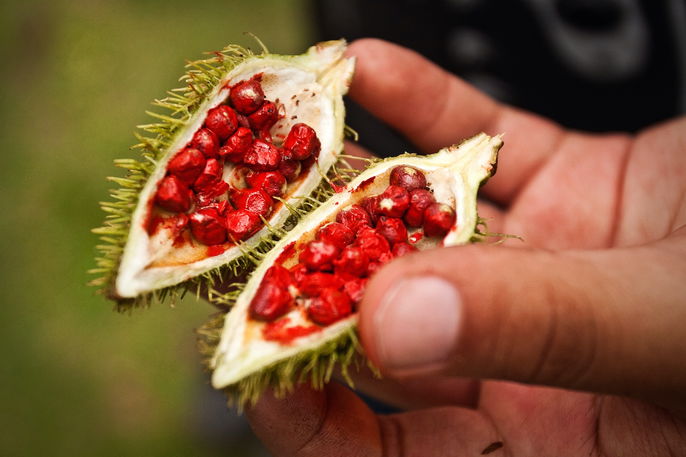
Health benefits
The main uses and benefits of achiote include:
1. Maintains eye health
Achiote is rich in carotenoids such as bixin, isobixin, norbixin, lutein, and zeaxanthin, mainly found in the outer layer of the seed, as well as vitamin A.
These carotenoids are important for protecting and maintaining eye health, reducing the risk of vision problems like dry eyes and night blindness.
2. Prevents skin aging
Achiote is high in carotenoids, terpenoids, flavonoids, and tocotrienols, bioactive compounds that are part of vitamin E and have antioxidant effects that help prevent skin aging.
As a result, this fruit also helps delay the appearance of fine lines by fighting free radicals that damage cells.
3. Reduces the risk of cardiovascular disease
The tocotrienols found in achiote have antioxidant effects and may help lower LDL cholesterol and triglycerides, which are responsible for plaque buildup in the arteries.
This plant may help reduce the risk of cardiovascular diseases such as atherosclerosis, heart attack, and stroke.
4. May prevent and control type 2 diabetes
The tocotrienols in achiote extract may help prevent and manage type 2 diabetes by improving glucose balance.
However, more human studies are still needed to confirm this potential benefit.
5. Improves gut health
Achiote may improve gut health because it is rich in tocotrienols that support the balance of intestinal microbiota, helping maintain healthy digestion and improving nutrient absorption.
6. May support healthy bones
Achiote contains tocotrienols that may help prevent the loss of thickness in the hard outer layer of the femur bone, helping maintain bone health.
In addition, achiote also contains calcium and phosphorus, two essential minerals for bone strength.
7. Supports brain health
Thanks to its tocotrienol content, achiote has neuroprotective properties that may help prevent cell damage caused by free radicals, supporting brain health.
8. Promotes wound healing
The leaves and seeds of achiote have healing and anti-inflammatory properties, reducing the production of substances like prostaglandins and cytokines.
Because of this, achiote may be used to support the treatment of skin wounds, burns, and cuts.
9. Eliminates fungi and bacteria
Some lab studies show that achiote leaf extract can eliminate fungi, especially Candida albicans and Aspergillus niger, as well as bacteria such as:
-
Staphylococcus aureus, which causes lung, skin, and bone infections
-
Escherichia coli, which causes urinary tract infections
-
Pseudomonas aeruginosa, which causes lung, ear, and urinary tract infections
-
Streptococcus faecalis, which causes urinary tract infections
-
Shigella dysenteriae, which causes bacterial diarrhea
However, human studies are still needed to confirm these possible benefits.
10. May help prevent and fight cancer
Studies on cancer cells have shown that carotenoids like bixin and norbixin, as well as tocotrienols in achiote, have antiproliferative effects.
This means achiote could potentially help in preventing and treating some types of cancer, although more human research is needed.
Nutrition facts
The following table contains information based on a 100 g serving of achiote (annatto) seeds:
To obtain the benefits that achiotes have to offer, it is essential to incorporate it into a healthy diet and active lifestyle.
How to use
How to consume achiote
The main ways to use achiote are:
1. Achiote tea
Achiote tea can be prepared with the leaves or seeds of the fruit.
Ingredients:
-
8 to 12 fresh or dried leaves, or 1 tablespoon of achiote seeds
-
1 liter of water
Preparation:
Boil 1 liter of water. Remove from heat and add the achiote leaves or seeds, cover, and let steep for 10 to 15 minutes. Strain and drink 2 to 3 cups per day.
2. Achiote oil
Achiote oil can be used in cooking. Mix 300 g of achiote seeds into 1 liter of soybean, canola, or sunflower oil.
Heat gently until the oil turns reddish. Remove from heat, let cool, and use the oil to season salads or for cooking.
3. Achiote capsules
Achiote capsules can be found in compounding pharmacies, drugstores, or health food stores.
The usual dosage is 1 capsule up to 3 times per day before meals. However, dosage should always be followed according to medical guidance or a qualified healthcare provider specializing in medicinal plants.
4. Achiote ointment
Achiote ointment is made with plant extract and can be purchased ready-made in compounding pharmacies or drugstores.
It may be recommended to support skin healing in cases of psoriasis, wounds, or burns. Always consult a doctor before using the ointment.
Is achiote the same as annatto powder?
Achiote is not the same as annatto powder. Annatto powder is a condiment made from achiote seeds that are heated in vegetable oil, mixed with cornmeal or corn flour, and then ground or sifted.
Achiote refers only to the raw fruit or seeds of the Bixa orellana plant, without any processing or mixing.
Side effects
Achiote is considered safe for most people when used as an ointment or consumed in small quantities in the form of a spice added to certain dishes.
The general recommendation for consuming achiote is to use up to 750 mg of achiote leaves per day for no more than 12 months. Prolonged use of achiote seeds should be avoided, as there is not sufficient data about safety or potential side effects associated with long term use.
Achiote can cause an allergic reaction in some people. It is important to seek emergency medical attention for any symptoms of an allergic reaction, such as difficulty breathing, nausea, vomiting, or convulsions (seizures).
Is achiote bad for the liver?
Achiote is not harmful to the liver. It does not cause liver toxicity or put human health at risk.
On the contrary, achiote has been studied for potential use in products to support treatment of fatty liver disease.
Contraindications to use
Achiote should not be used by people who are pregnant or breastfeeding, as there is insufficient data regarding its safety during pregnancy and lactation. People undergoing surgery should also avoid achiote, as it can alter levels of glucose in the blood.
Achiote should be used with caution in people taking certain medications for diabetes, such as glimepiride or insulin, for example, as achiote can cause sudden drops in blood sugar. This may be associated with symptoms of hypoglycemia such as excessive sweating, nervousness, agitation, tremors, confusion, palpitations, and fainting.
Achiote is contraindicated in people with chronic kidney disease or acute kidney injury. People taking diuretics or medications to treat hypertension should not use achiote.