


A 1500 calorie meal plan is a structured dietary strategy that promotes weight loss by establishing a consistent daily energy deficit. This approach encourages the body to burn stored fat for fuel while providing enough calories to support basic physical activities and metabolic functions.
Successful implementation of a 1500 calorie meal plan relies on consuming five or six small, nutrient-dense meals distributed throughout the day. Prioritizing lean proteins, fresh produce, and whole grains helps maintain steady energy levels and manages hunger more effectively than eating large, infrequent meals.
Consulting a registered dietitian before starting a 1500 calorie meal plan ensures the diet is nutritionally balanced and prevents potential vitamin or mineral deficiencies. Professional oversight is also necessary for those managing chronic conditions like diabetes or hypertension to ensure medication dosages remain safe as caloric intake changes.
Diet instructions
Starting a 1,500 calorie diet involves eating five to six small meals distributed throughout the day. This frequent eating pattern helps maintain energy levels and prevents overeating during any single meal.
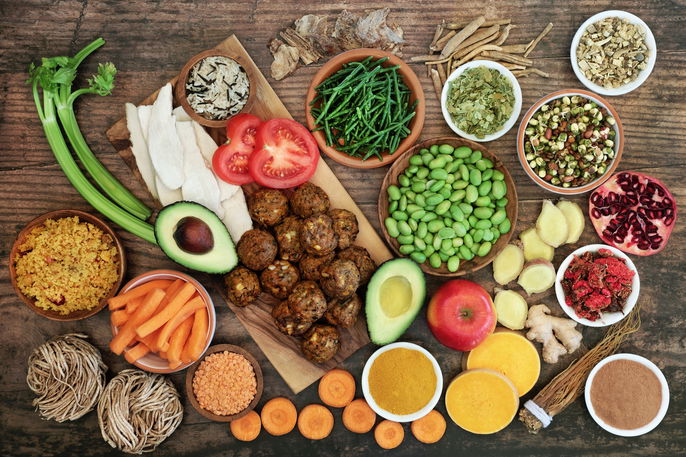
You should prioritize nutrient-dense foods like fresh fruits, vegetables, legumes, and lean proteins to stay satisfied. Incorporating healthy fats, whole grains, and tubers ensures your body receives the essential vitamins and minerals it needs.
It is also vital to drink at least 1.5 liters of water daily, which can include unsweetened teas for hydration. Proper water intake helps the body distinguish between hunger and thirst, which promotes satiety and supports appetite control.
Additionally, regular physical activity is highly recommended to support your weight loss goals and overall health. Engaging in activities like strength training, swimming, running, or dancing at least three times a week can significantly improve your results.
When it is indicated
A 1,500 calorie diet may be recommended for several health and wellness goals, including:
-
Weight loss for individuals classified as overweight or obese;
-
Management of type 2 diabetes and high blood pressure to improve cardiovascular health;
-
Long-term weight maintenance after reaching a target goal.
However, it is important to remember that daily caloric needs are highly individual. Factors such as age, current weight, physical activity level, and body composition all play a role in determining the right plan for you.
While this is generally considered a safe approach compared to extreme crash diets, it should still be monitored by a healthcare professional or a registered dietitian. This is especially true for individuals with diabetes who are currently taking medication.
Reducing your intake of carbohydrates and total calories can impact blood sugar levels significantly. Therefore, your doctor may need to adjust your medication dosages to prevent complications like hypoglycemia.
How much weight can you lose on a 1,500 calorie diet?
Following a 1,500 calorie daily plan can result in a weight loss of approximately 1 pound (0.5 kg) per week. This result assumes the plan creates a daily deficit of about 500 calories relative to your total energy expenditure.
Actual weight loss results will vary based on your starting weight, metabolism, and activity level. People with a higher initial body weight often see faster results during the first few weeks, which is frequently due to the loss of excess fluid.
What to eat
When following a 1500 calorie meal plan it is important to prioritize low calorie foods that keep you feeling full. These include:
- Fresh fruits, like strawberries, peaches, pears, melon, apples, kiwi, bananas, tangerines, lemons, blackberries, watermelon, grapes, cherries, passion fruit, and oranges;
- Fresh vegetables, like lettuce, tomato, green beans, cucumbers, arugula, spinach, chard, watercress, broccoli, cauliflower, zucchini, and eggplant;
- Healthy fats, like olive oil, avocado, coconut oil, avocado oil, Chia seeds, flaxseed, and squash;
- Lean protein, like fish, seafood, chicken, eggs, tofu, and lean cuts of beef such as shank, knuckle, and rump steak;
- Legumes, like beans, soy, chickpeas, lentils, and split peas;
- Whole grains, like brown rice, whole grain bread, whole wheat pasta, and corn.
In addition, spices like cinnamon, pepper, and turmeric, and natural teas such as green tea, yerba mate, black tea, and hibiscus tea, are great options to include in your diet, as they are low in calories and contain thermogenic properties that accelerate metabolism and contribute to more rapid weight loss.
Meal plan
The following table contains a sample 3-day 1500 calorie meal plan:
This is only one example of a 1500 calorie meal plan and can be modified based on factors like age, health conditions, and energy expenditure. It is recommended to consult a registered dietitian to develop a more personalized meal plan based on your specific nutritional needs.
This meal plan provides the number of calories for each meal. Meals can be swapped, added, or removed based on your daily calorie goals. They can also be incorporated into meal plans for diets with different caloric restrictions (less than or greater than 1500).
Also recommended: Does Drinking Water Help You Lose Weight? tuasaude.com/en/does-drinking-water-help-you-lose-weightFoods to avoid
In order to avoid excess calories, it is recommended to avoid high-calorie foods and foods that can stimulate appetite, including:
- Processed foods, such as packaged cookies, sodas, nuggets, ready-made sauces and marinades, and fast food;
- Foods high in fat, like fried foods, pizza, chips, and hamburgers;
- Smoked meats, like hot dogs, linguiça, cold cuts, and mortadella;
- Sugar, found in foods like ice cream, cakes, candy, and chocolate;
- Refined grains, like white rice, white bread, and pasta.
It is important to avoid drinking alcohol, such as beer, wine, and sparkling wine, as these drinks are high in calories, making it difficult to lose weight.