


Zinc is a vital mineral involved in hundreds of essential processes in the body, including enzyme function, immune response, and protein synthesis. It plays a key role in maintaining overall health and well-being.
One of the main benefits of zinc is its ability to strengthen the immune system and support wound healing. It also helps with skin health, cognitive function, and muscle growth.
Zinc is naturally found in a variety of animal and plant-based foods, and it can also be taken as a supplement when needed. Getting the right amount of zinc is important to prevent deficiency and support the body’s normal functions.
Health benefits
The main zinc benefits include:
1. Strengthens the immune system
Zinc helps strengthen the immune system because it supports the development and maintenance of interleukins, macrophages, and T and B lymphocytes, which are cells that protect the body against illnesses caused by viruses, bacteria, and fungi.
2. Helps prevent diabetes
Zinc is involved in the production, storage, and release of insulin, the hormone responsible for balancing blood glucose levels. This action helps in preventing insulin resistance and type 2 diabetes.
3. Improves wound healing
Due to its antioxidant and anti-inflammatory action, zinc helps heal wounds from surgeries and diabetic foot, as well as minor injuries and ulcers that may appear on the feet of people with uncontrolled diabetes and can lead to infections. Zinc also supports healing by participating in collagen production and improving its adhesion to the skin. Collagen is the protein responsible for keeping the skin firm and elastic.
4. Maintains skin health
Zinc helps maintain healthy skin by reducing excess free radicals in the body, which can damage healthy skin cells and contribute to premature aging. It also aids in collagen production, helping to prevent wrinkles and skin sagging.
5. Promotes muscle mass gain
Zinc plays a role in testosterone production, the hormone that supports physical performance and strength, promoting the maintenance or increase of muscle mass in both men and women.
6. Improves memory
Zinc helps maintain cognitive functions and protects nerve cells from free radical damage, improving memory, attention, focus, and learning ability.
7. Helps treat acne
With its anti-inflammatory and wound-healing properties, zinc can help in the treatment and healing of acne lesions. For this reason, zinc supplements may be recommended as part of acne treatment. However, more high-quality scientific studies are still needed to confirm the potential benefits of zinc supplementation for acne.
8. Supports baby development
Zinc is important during periods of rapid growth, playing a key role in the formation and development of the baby during pregnancy, as well as in the growth of children and teenagers.
9. Strengthens hair
Zinc contributes to the growth, development, and repair of hair strands, helping to strengthen them and prevent hair loss.
Recommended daily amount
The recommended daily amount of zinc varies according to age and sex, as shown in the table below:
Where to find it
Zinc can be obtained naturally from foods or in supplement form.
1. Foods rich in zinc
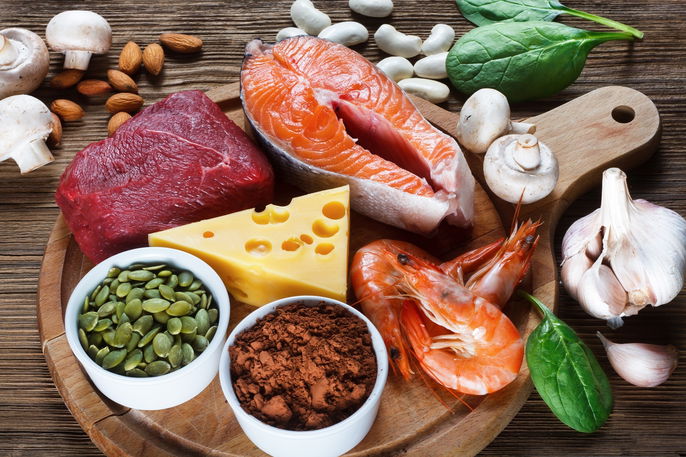
Foods rich in zinc are mainly animal-based, such as beef, seafood, oysters, and organ meats like liver and heart. Plant-based foods that also contain zinc include nuts, whole grains, and legumes.
Also recommended: 30 Foods High in Zinc (& Recommended Daily Intake) tuasaude.com/en/foods-high-in-zinc2. Supplements
Zinc supplements are used to help treat childhood diarrhea, support immune system function, and manage zinc deficiency in cases such as low dietary intake, after bariatric surgery, or with inflammatory bowel disease. These supplements are available in capsules or tablets in forms such as zinc picolinate, zinc gluconate, or zinc sulfate. The recommended dosage varies according to age and nutritional needs, generally ranging from 10 to 30 mg per day. However, zinc supplements should only be taken under the guidance of a doctor or dietitian.
Zinc deficiency
Zinc deficiency can occur due to low intake of animal-based foods and in life stages when zinc needs are higher, such as pregnancy, breastfeeding, childhood, and adolescence. It can also happen in situations that increase the body’s needs or reduce its absorption, such as burns, Crohn’s disease, bariatric surgery, kidney disease, or severe or persistent diarrhea.
Symptoms of zinc deficiency
Zinc deficiency can cause symptoms such as:
-
Red scaly patches and/or pus-filled blisters on the skin
-
Slow wound healing
-
Diarrhea
-
Hair loss
-
Sensitivity to light
-
Changes in taste and smell
In babies and children, zinc deficiency may delay growth, lead to frequent infections, reduce appetite, and cause reproductive issues in adulthood.
Excess zinc
Excess zinc from food is uncommon and usually does not cause health problems. However, taking too much zinc in supplement form can cause stomach pain, fever, diarrhea, loss of appetite, headache, nausea, and vomiting.
High zinc intake from supplements can also weaken the immune system, reduce the absorption of other nutrients like copper, magnesium, and iron, and lower HDL (“good”) cholesterol levels in the blood.