


Yellow guava, scientifically known as Psidium guajava, is a medicinal plant frequently used to help manage diarrhea, diabetes, and high cholesterol. Its leaves are packed with antispasmodic, anti-inflammatory, and antioxidant properties that can also provide natural pain relief.
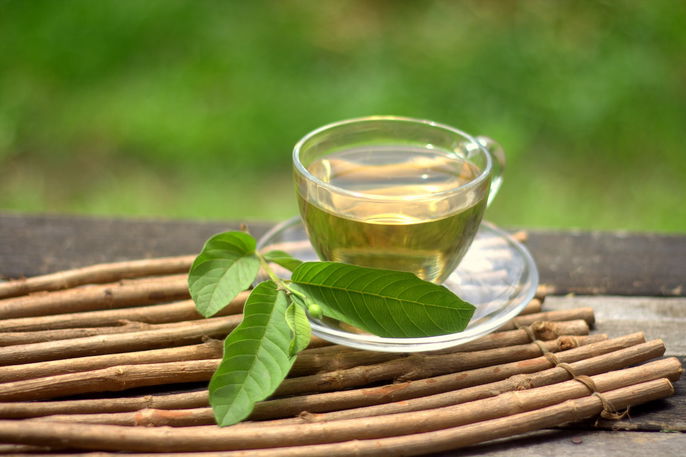
While this plant is widely recognized for its delicious fruit, the leaves are often used for their therapeutic benefits. They can be prepared as teas, topical compresses, soothing sitz baths, or concentrated tinctures to address various health issues.
You can typically find guava leaves at health food stores, specialty herbal shops, or online wellness retailers. It is important to consult with a healthcare professional or a specialist in botanical medicine before using them for medicinal purposes.
Health benefits
The yellow guava plant is traditionally used for the following health concerns:
1. Combating diarrhea
Guava leaves contain quercetin, a compound that provides natural antidiarrheal and antispasmodic effects. This helps the intestinal muscles relax and prevents the contractions that lead to diarrhea.
Because of these properties, guava leaf tea is often used to manage diarrhea caused by gastroenteritis or dysentery.
2. Controlling diabetes
The leaves are rich in polysaccharides and flavonoids, such as guaijaverin and avicularin, which have antidiabetic properties. These compounds help lower blood sugar levels and improve overall diabetes management.
These substances work by inhibiting alpha-amylase and alpha-glicosidase enzymes, which reduces the absorption of carbohydrates in the gut and supports the health of pancreatic cells.
3. Lowering bad cholesterol
Guava leaves are full of flavonoids like myricetin and kaempferol, which have lipid-lowering properties. These help reduce bad LDL cholesterol and triglycerides in the blood.
It is important to note that using guava leaves does not replace the need for a heart-healthy diet, regular exercise, or cholesterol medications prescribed by a cardiologist.
4. Preventing cardiovascular diseases
By helping to manage cholesterol and triglyceride levels, yellow guava can help prevent heart disease. This includes reducing the risk of conditions like atherosclerosis, heart attacks, or strokes.
Additionally, by stabilizing blood sugar, the plant helps lower the risk of cardiovascular complications often associated with diabetes.
5. Preventing fat accumulation in the liver
The flavonoids in guava leaves help prevent fatty liver disease by reducing the liver's resistance to insulin. They also help lower levels of liver enzymes, such as ALT and AST, which are markers of liver health.
Furthermore, the plant’s ability to lower LDL cholesterol further reduces the risk of fat buildup within the liver.
6. Assisting in weight loss
Guava leaf extract has anti-obesity properties because it helps limit the absorption of sugars in the digestive tract. By regulating blood sugar, it can help support healthy weight management.
The plant also helps prevent metabolic issues in individuals who are overweight or obese by improving lipid and sugar profiles. For best results, it should be used alongside a balanced diet and regular physical activity.
7. Fighting infections
The leaves have natural antibacterial properties that are effective for treating skin wounds, ulcers, and vaginal infections. They help speed up the healing process and promote tissue repair.
Guava is also beneficial for oral health, helping to treat canker sores, gum disease (gingivitis), and oral thrush.
8. Relieving pain
Yellow guava acts as a natural analgesic and anti-inflammatory agent. It is frequently used to soothe various types of discomfort, including intestinal spasms, stomach aches, menstrual cramps, sore throats, and toothaches.
9. Strengthening the immune system
High in antioxidants, the guava plant protects the body from free radical damage. This protection boosts the effectiveness of immune cells, helping the body defend itself more efficiently.
10. Fighting inflammation
The anti-inflammatory compounds in guava leaves are particularly effective for skin issues. They can be used topically to reduce inflammation caused by insect bites, acne, or minor skin wounds.
11. Assisting in the fight against cancer
Guava leaves contain specialized compounds like tannins and triterpenoids that have shown antioxidant and anti-tumor potential in laboratory settings. These substances may help slow the growth of certain cancer cells.
Research on breast, prostate, and colorectal cancer cells suggests these extracts may encourage cancer cell death. However, more human clinical trials are needed to confirm these specific benefits.
12. Fighting hair loss
Rich in vitamins A, B, and C, guava leaves are a popular natural remedy for hair health. Their anti-inflammatory properties can help prevent hair loss and promote growth, sometimes used to support treatments for androgenetic alopecia.
How to use
The most common parts of the plant used for wellness are the fresh leaves and the bark. They can be prepared in several ways:
1. Guava tree leaf tea
This tea is best prepared using fresh leaves for maximum potency.
Ingredients
-
1 tablespoon of fresh guava leaves
-
1/2 liter (approx. 17 oz) of water
Preparation
Boil the water and then turn off the heat. Add the leaves, cover the pot, and let it steep for 5 to 10 minutes. Once it reaches a comfortable temperature, strain and drink 2 to 3 times a day. For oral issues like canker sores, use the tea as a mouthwash, gargling for a few minutes before spitting it out.
2. Guava tree essential oil
Guava essential oil can be used for massage to relieve muscle pain, rheumatism, or fibromyalgia symptoms. It must always be diluted in a carrier oil (like coconut or almond oil) before being applied to the skin. It can also be added to shampoos or used in a diffuser for aromatherapy.
3. Guava tree tincture
For internal use, the standard adult dose is 1 to 4 mL of the tincture per day. The length of use should be determined by a healthcare professional.
4. Guava tree leaf for inflammation
To treat skin inflammation, use a warm compress.
Ingredients
-
10 fresh guava leaves
-
1 liter (approx. 34 oz) of water
Preparation
Boil the leaves in water for 2 to 3 minutes. Let the liquid cool slightly, soak a clean gauze or cotton ball in the solution, and apply it to the skin for 20 minutes, once or twice a day.
5. Sitz bath with guava tree leaves
This method is effective for managing vaginal infections or unusual discharge.
Ingredients
-
30 g of guava leaves
-
1 liter of water
Preparation
Boil the water, add the leaves, and steep for 3 to 5 minutes. Pour the strained liquid into a basin. Once the water is lukewarm, sit in the basin and wash the genital area carefully. Repeat this 2 to 3 times a day for three days.
6. Guava tree leaf for hair
Apply the tea directly to the scalp using a cotton ball. Massage gently for 10 minutes and let it sit for 30 to 60 minutes before washing your hair as usual. This can be done 2 to 3 times a week, or left on overnight and washed out in the morning.
Possible side effects
Guava tea is generally well-tolerated when used in moderate amounts for up to 30 days. However, excessive use may cause constipation, nausea, or mild stomach discomfort. Topically, it may cause skin irritation or flare-ups for those with sensitive skin or eczema.
Who should not use
Guava products should be avoided by children and women who are pregnant or breastfeeding. It is also not recommended for individuals with chronic constipation or those with a known allergy to the plant.
Diabetic patients should monitor their blood sugar closely while using guava, as it may interact with diabetes medications (like Metformin) and lead to hypoglycemia. Tinctures containing alcohol should be avoided by those recovering from alcoholism or taking disulfiram.