


Kids usually start losing their baby teeth naturally around age 6, following the same order in which the teeth first appeared. This means the front teeth are typically the first to fall out since they are usually the first to come in for most children.
However, every child develops differently. In some cases, a different tooth may fall out first, which is completely normal and not a sign of any problem.
Still, if there are any concerns, it’s always best to consult a pediatrician or dentist, especially if a tooth falls out before age 5 or if the tooth loss happens after a fall or a hit to the mouth.
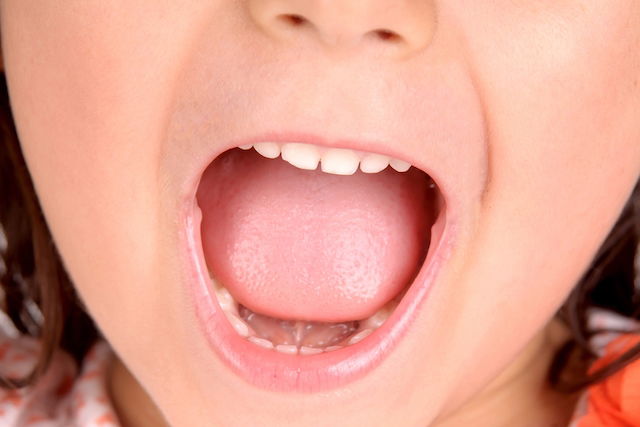
What to expect
The order in which baby teeth fall out usually follows the same pattern as when they first came in. After a baby tooth falls out, the permanent tooth typically erupts within about 3 months. However, this can take longer for some children, so regular follow-ups with a dentist or pediatrician are important.
A panoramic X-ray can help determine whether the child’s dental development is appropriate for their age, but this exam should only be done before age 6 if it’s absolutely necessary.
What to do after a blow to the teeth
After a dental injury, a tooth may break, become loose, fall out, or change color. In some cases, a small pus-filled bump may appear on the gum. Depending on what happens, different steps should be taken.
1. If the tooth breaks
If a tooth breaks, you can place the broken piece in a cup of water, saline solution, or milk so the dentist can check whether it’s possible to repair the tooth using the original fragment or composite resin to restore the child’s smile.
If only the tip of the tooth chips, fluoride treatment is usually enough, and no other procedure is needed.
However, if the tooth breaks in half or only a small part remains, the dentist may recommend restoring or removing the tooth through a minor procedure, especially if the root is affected.
2. If the tooth becomes loose
After a direct hit to the mouth, a tooth may become loose, and the gum can appear red, swollen, or filled with pus. This may indicate that the root is damaged or infected. In these cases, it’s important to see a dentist, as the tooth may need to be surgically removed.
3. If the tooth becomes crooked
If a tooth moves out of position after trauma, take the child to the dentist as soon as possible. The sooner the tooth is repositioned, the better the chances of a full recovery.
The dentist may use a stabilizing wire to help the tooth heal in its proper position. However, if the tooth hurts or is still loose, there could be a fracture, and the tooth might need to be extracted.
4. If the tooth is pushed into the gum
If a tooth is pushed into the gum after an injury, visit a dentist immediately. An X-ray may be needed to check whether the bone, tooth root, or developing permanent tooth has been affected.
Depending on the severity, the dentist may decide to extract the tooth or wait for it to move back into place on its own.
5. If the tooth falls out
If a baby tooth falls out earlier than expected, the dentist may recommend an X-ray to check whether the permanent tooth germ is present in the gum, which indicates that the new tooth will come in soon.
Usually, no treatment is necessary, and you just need to wait for the permanent tooth to grow. However, if it takes too long, the dentist should evaluate to rule out any problems.
If needed, the dentist may place one or two stitches to help the gum heal. It’s important not to place a dental implant after the loss of a baby tooth due to trauma, as this could interfere with the development of the permanent tooth.
An implant is only considered if the child does not have a permanent tooth germ.
6. If the tooth turns dark
If a tooth becomes darker than the others, it may mean that the pulp has been damaged. A color change that appears days or weeks after an injury can indicate that the root has died and the tooth needs to be surgically removed.
Dental trauma should be evaluated right after it happens, again after 3 months, after 6 months, and once a year to ensure the permanent tooth is developing properly and to check if any treatment is needed.
Red flags
The main warning sign that requires another visit to the dentist is tooth pain. If a child complains of pain while the permanent tooth is coming in, a dental check-up should be scheduled.
A return visit is also needed if the area around the tooth becomes swollen, very red, or develops pus.
Also recommended: Toothache: 9 Common Causes (& What to Do) tuasaude.com/en/toothache