


A stroke can be caused by the buildup of fat inside blood vessels, smoking, high blood pressure, head injuries, aneurysms, heart conditions, or as a result of taking blood thinners.
There are two main types of stroke: ischemic, when a blood vessel is blocked and oxygen cannot reach parts of the brain, and hemorrhagic, when a blood vessel ruptures and bleeding occurs inside the brain.
The effects of a stroke depend on how severe the brain damage is. Common complications include weakness on one side of the body or difficulty speaking, and medical follow-up is always essential.
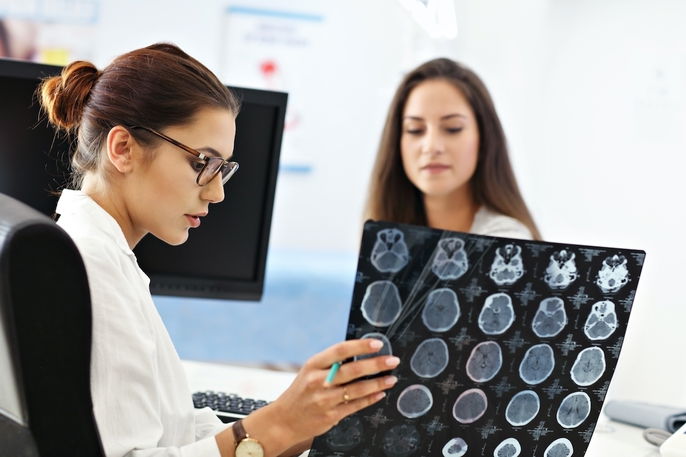
What causes a stroke?
The most common causes of a stroke are:
1. Poor diet
An unhealthy diet increases the risk of stroke, especially when it includes large amounts of fatty foods, fried foods, salt, refined carbohydrates, and sugar.
These foods lead to fat deposits in blood vessels and reduce their elasticity, including the vessels that supply the brain.
When this happens, blood cannot flow properly, brain cells begin to die from lack of oxygen, and an ischemic stroke occurs.
What to do: adopt healthier lifestyle habits, such as eating a balanced diet with vegetables, fruits, and lean meats, and exercising regularly for at least 30 minutes a day.
2. High blood pressure
Very high blood pressure can cause a blood vessel in the brain to rupture, leading to a hemorrhagic stroke. This is more likely in people who experience frequent spikes in blood pressure because their hypertension is not treated.
What to do: follow medical treatment for hypertension as directed to control blood pressure, avoid sudden spikes, and prevent stroke.
3. High cholesterol
High cholesterol and triglycerides encourage plaque buildup in blood vessels, trigger inflammation, and increase the risk of heart disease and ischemic stroke.
What to do: see a cardiologist for a full health evaluation. Treatment may involve prescription medication, lifestyle changes, and a healthier diet.
4. Diabetes
Diabetes is a risk factor for both ischemic and hemorrhagic stroke because it damages blood vessels throughout the body, including those in the brain.
It also makes blood vessels stiffer and promotes inflammation, which contributes to atherosclerosis.
What to do: treatment prescribed by an endocrinologist usually includes oral medications or injectable drugs such as insulin or semaglutide. These help lower and stabilize blood sugar levels, reducing long-term complications like stroke.
5. Smoking
Smoking is a well-established cause of both ischemic and hemorrhagic stroke.
It raises blood pressure, lowers oxygen in the blood, increases platelet aggregation and clot formation, damages blood vessels, lowers good cholesterol (HDL), and promotes atherosclerosis.
What to do: quitting smoking greatly lowers stroke risk. If quitting is difficult, a doctor may recommend medications such as bupropion or varenicline, or other smoking cessation methods.
6. Obesity
Being overweight or obese increases stroke risk by contributing to heart disease, high blood pressure, high cholesterol, and type 2 diabetes.
It also causes inflammation in the body, along with high blood sugar and insulin resistance, which can lead to atherosclerosis.
What to do: follow a balanced diet guided by a nutritionist and exercise regularly to create a calorie deficit and lose weight. In some cases, an endocrinologist may recommend medication to reduce appetite or, in more severe cases, bariatric surgery.
7. Sedentary lifestyle
A sedentary lifestyle, or lack of physical activity, can lead to obesity, diabetes, high cholesterol, hypertension, and metabolic diseases, which all raise the risk of stroke.
What to do: the World Health Organization recommends adults get 150–300 minutes of moderate aerobic activity per week, and children and teens about 60 minutes per day. Setting small, realistic goals like walking instead of driving or using stairs instead of the elevator can help reduce sedentary behavior.
8. Head trauma
Severe head trauma, such as from car accidents or falls, can cause bleeding inside or around the brain, resulting in a hemorrhagic stroke.
What to do: anyone with a head injury should be taken immediately to the nearest healthcare facility for evaluation and treatment to avoid complications.
9. Heart or blood vessel problems
Certain cardiovascular conditions, such as heart enlargement, valve dysfunction, tumors, or calcification, can cause clots that travel to the brain, block blood flow, and trigger an ischemic stroke.
What to do: routine cardiovascular exams help detect silent heart problems early. If changes are found, the doctor may recommend follow-up visits, medication, or surgery, depending on the case.
10. Brain aneurysm
A brain aneurysm is a weak spot in a blood vessel that can rupture and cause bleeding, leading to a hemorrhagic stroke.
What to do: aneurysms are often discovered by chance during imaging tests. However, warning signs may include worsening headaches, seizures, or weakness and tingling in parts of the body. A doctor should be consulted to confirm the diagnosis and start treatment, which may involve medication or surgery.
11. Illegal drug use
Using illegal drugs, especially injectable ones like heroin, damages blood vessels and increases spasms, which can lead to clot formation and stroke.
What to do: specialized addiction centers can provide detox programs to improve health and reduce stroke risk.
12. Vasculitis
Vasculitis is inflammation of the blood vessels, including those in the brain. It disrupts blood flow and oxygen supply, raising the risk of stroke.
What to do: if vasculitis is suspected, consult a cardiologist or vascular specialist. Treatment may involve corticosteroid medications or, in some cases, surgery.
13. Blood thinners
Using blood thinners inappropriately or at high doses raises the risk of bleeding, including inside the brain, which can cause a hemorrhagic stroke.
What to do: blood thinners should only be used under medical supervision and at prescribed doses. Any bleeding symptoms must be reported to a doctor, who can adjust the dose or change the treatment if needed.
Can you cure the symptoms of a stroke?
A stroke itself has no cure. However, it can often be prevented, and when it does occur, treatments and rehabilitation can improve recovery and reduce long-term effects.
The body may recover partially or even fully from stroke symptoms, depending on the case, especially with medical follow-up and rehabilitation programs such as:
-
Physical therapy to restore motor function and movement
-
Occupational therapy to adapt daily activities, environment, and thinking skills
-
Exercise, preferably with guidance, to strengthen muscles, improve balance, independence, and well-being
-
Nutrition support to adapt food type, texture, and portions to individual needs
-
Speech therapy to address swallowing or communication difficulties
Even when recovery takes time, these treatments improve quality of life for people living with stroke aftereffects.