


Varicose vein treatment should always be guided by a vascular surgeon or angiologist, who will recommend the best option for each case.
Treatment can involve different techniques, such as laser therapy, foam or glucose sclerotherapy, or in more severe cases, surgery. The choice depends on the type of varicose veins and the symptoms, such as pain, swelling, or ulcers.
It may also include medications to improve blood circulation and lifestyle measures, such as avoiding long periods of sitting or standing. These steps help maintain proper blood and lymphatic flow, reducing varicose veins and related symptoms.
Treatment options
The main varicose vein treatment options include:
1. Laser therapy
Laser therapy, also known as laser sclerotherapy, is used to treat small to medium veins that appear on the nose, cheeks, trunk, or legs. The laser converts light energy into heat, which destroys the vein wall and improves the skin’s appearance.
Each session lasts about 20 to 30 minutes and usually provides good results. It is quick, minimally painful, and noninvasive, though additional sessions may be needed for better outcomes.
After laser therapy, it is important to avoid sun exposure and use sunscreen to prevent skin discoloration in the treated area.
2. Radiofrequency
Radiofrequency works similarly to laser surgery, using heat to close the vein. It is performed under local anesthesia.
The doctor inserts a thin catheter into the vein, guided by ultrasound. The tip is then heated with radiofrequency, causing the vein to close.
Depending on the number of veins, up to 10 sessions may be required for complete results.
3. Foam sclerotherapy
Foam sclerotherapy is effective for small varicose veins and spider veins up to 4 mm in diameter. It involves injecting polidocanol foam directly into the vein, which seals it shut.
This treatment is usually permanent. After the procedure, compression stockings are recommended to improve circulation and lower the chance of recurrence.
Foam sclerotherapy is not recommended for pregnant women, older adults, or people with a history of pulmonary embolism.
4. Glucose sclerotherapy
Glucose sclerotherapy involves injecting a concentrated glucose solution (50% to 75%) directly into spider veins or varicose veins up to 2 mm in diameter until they disappear.
This method is naturally absorbed by the body, lowering the risk of complications or allergic reactions. However, it is not suitable for people with diabetes, as it may affect blood sugar levels.
5. Medications
Some over-the-counter products for varicose veins include oral supplements with flavonoids such as diosmin and hesperidin, which have anti-inflammatory and vascular protective effects. Topical creams and gels may also be used.
These products help reduce vein dilation, improve circulation, and ease symptoms such as pain, swelling, and ulcers.
They should always be used under medical guidance, with doses tailored to each person’s needs.
6. Endovenous laser (endolaser)
Endovenous laser treatment, or endolaser, involves inserting a fiber optic laser inside the affected vein to close it from within.
This is a minimally invasive procedure that does not require skin incisions and allows for quicker recovery.
7. Surgery
Varicose vein surgery is usually reserved for severe cases, when veins are very large (more than 1 cm wide) and cause symptoms such as leg swelling, pain, and itching.
Recovery depends on the number and size of the veins removed.
8. Natural treatment
Some natural options may complement varicose vein treatment. One of the most common is horse chestnut (Aesculus hippocastanum), a supplement that supports circulation and may reduce swelling and discomfort.
Other herbal products, such as grape seed extract, are also used for symptom relief. These should only be taken under medical supervision.
Home remedies, such as drinking grape juice or applying cabbage leaf compresses, may provide temporary relief but should not replace medical treatment.
Also recommended: How to Get Rid of Varicose Veins: 10 Natural Remedies tuasaude.com/en/how-to-get-rid-of-varicose-veinsHow to ensure treatment results
To make varicose vein treatment more effective, doctors often recommend:
-
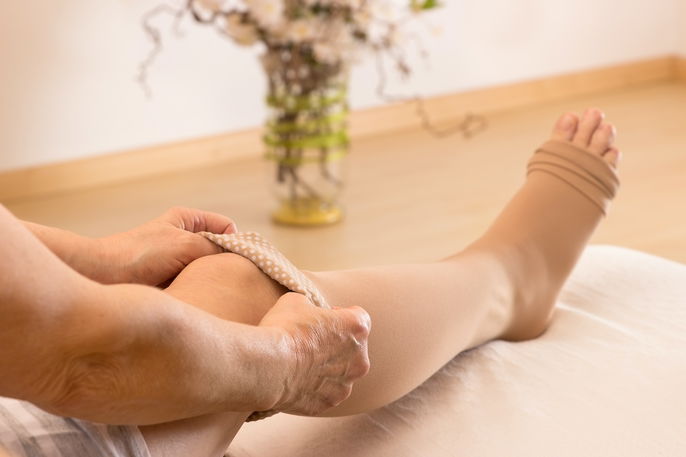
Wearing compression stockings daily, putting them on in the morning and removing them at night or for bathing. These stockings improve circulation and should only be used under medical advice.
-
Elevating the foot of the bed slightly to improve blood flow in the legs.
-
Taking prescribed medications to reduce fluid retention and improve venous return, lowering the chance of new varicose veins.
Regular physical activity is also important, as it strengthens circulation, improves blood flow, and reduces the risk of new varicose veins.
How to prevent varicose veins
Prevention includes exercising regularly under professional guidance, maintaining a healthy weight, resting with legs elevated, and considering alternatives to birth control pills if advised by a doctor.
It is also recommended to avoid sitting or standing still for long periods and not to wear high heels every day. These steps can help prevent varicose veins from developing and reduce the chance of recurrence.