


Urea cream is a topical skin product that contains urea, a substance that is naturally present in the outer layer of the skin and helps maintain moisture. Depending on its concentration, topical urea can moisturize dry skin, soften rough or thickened areas, and help remove excess scale.
Urea cream is available in different strengths, and its effects change with the concentration used. Lower concentrations are mainly used for moisturizing and supporting the skin barrier, while higher concentrations have a stronger keratolytic effect, meaning they help soften and remove thick or hardened skin.
Some urea products are marketed with labeled uses for dry or thickened skin and nail conditions, but their regulatory status and instructions vary depending on the specific product.
Indications for use
Urea cream may be used to moisturize, soften, and reduce scaling in dry or thickened skin. Clinical studies and product labels describe its use in conditions such as:
-
Xerosis, or very dry skin
-
Ichthyosis
-
Rough or thickened skin
-
Corns and calluses
-
Dry, cracked feet
-
Hyperkeratotic skin conditions
-
Thickened, damaged, ingrown, or devitalized nails
Urea may also be used as an additional treatment for thickened nails affected by fungal infection because high concentrations can soften the nail and make other treatments or nail removal easier. Urea cream alone should not be considered a treatment that cures nail fungus.
For people with diabetes and dry or cracked feet, moisturizers containing urea may help improve dryness and heel fissures. However, studies have often evaluated combination products, so the effects cannot always be attributed to urea alone.
How to use
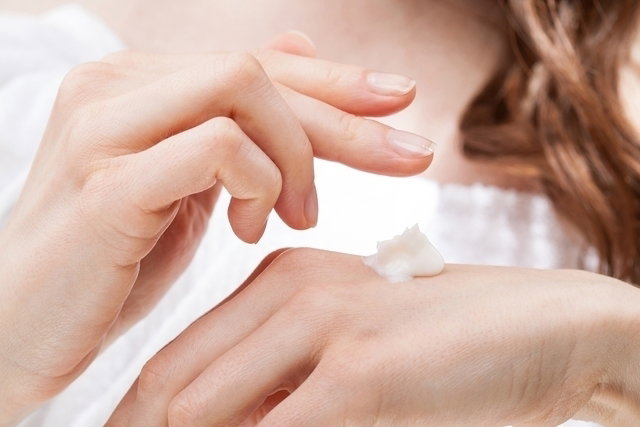
Urea cream is applied to the skin or nails. There is no universal dose because the appropriate concentration, frequency, and duration depend on the condition being treated, the body area, and the exact product.
Concentration
Different concentrations of urea have different effects:
-
2% to 10%: mainly used to moisturize the skin and support the skin barrier
-
10% to 30%: moisturizes while also helping soften and remove rough, scaly, or thickened skin
-
30% to 50%: mainly used on localized areas of very thick skin, corns, calluses, or thickened nails
High-concentration urea products are generally intended for specific thickened areas and should not be treated as routine moisturizers for sensitive areas such as the face.
How often to apply
The application schedule depends on the specific product. For example, a US label for urea 45% cream recommends applying it to affected skin or nail tissue twice daily or as directed by a healthcare professional.
Other formulations may recommend application at least twice daily or as needed. The directions on the product label should therefore determine how often urea cream is applied.
How long to use
There is no standard treatment duration for all urea creams. Duration depends on the condition, concentration, treatment response, and product instructions.
Some clinical studies have evaluated urea-containing moisturizers for several weeks. For example, studies involving dry or cracked feet have assessed treatment over about four weeks.
Creams, lotions, gels and nail products
Topical urea can be found in creams, lotions, gels, and products intended specifically for nails. The choice of formulation depends on the area being treated and the concentration required.
Lower-strength formulations are generally used over larger areas of dry skin. Higher-strength creams or nail products are more commonly used on localized thickened skin or nails.
How urea cream works
Urea has several effects on the skin. It acts as a humectant, meaning it helps the outer layer of the skin retain water and stay hydrated.
At higher concentrations, urea also has a keratolytic effect. This helps loosen and soften the protein structure in thickened or scaly skin, making rough areas easier to remove.
Urea may also support the skin barrier and help improve the way the outer layer of the skin functions. Its moisturizing and keratolytic effects become stronger or weaker depending on the concentration used.
Possible side effects
Urea cream is generally well tolerated, particularly at lower concentrations. Temporary skin reactions may occur and are more likely with stronger products.
Possible side effects include:
-
Stinging
-
Burning
-
Itching
-
Redness
-
Skin irritation
-
Rash
Higher concentrations may cause more stinging, particularly when applied to inflamed, cracked, or fissured skin.
Urea cream should be stopped if marked redness, burning, rash, or irritation develops. Medical advice may be needed if the reaction is severe or does not improve.
Contraindications
Urea cream should not be used by anyone with a known hypersensitivity or allergy to urea or another ingredient in the specific product.
Topical urea is intended for external use only. It should not come into contact with the eyes, lips, or mucous membranes.
Urea cream should generally not be applied to broken or damaged skin unless specifically recommended by a healthcare professional. Stronger concentrations may cause more irritation when applied to inflamed or fissured areas.
Precautions when using urea cream
The concentration of urea should match the condition and body area being treated. Higher-strength products intended for calluses, thickened skin, or nails may be too irritating for more sensitive areas.
Treatment instructions can differ significantly between products. Some urea products available in the United States are marketed as unapproved drugs rather than FDA-approved products, so their labeled directions and regulatory status should be considered individually.
For persistent, painful, severely cracked, inflamed, or unusually thickened skin or nails, medical evaluation may be needed to determine the underlying cause and the most appropriate treatment.