


Learning how to induce period safely can help maintain menstrual health and ease discomfort caused by irregular cycles. Delays in menstruation are common and can be linked to hormonal changes, stress, or certain health conditions.
Herbal teas with emmenagogue properties, such as ginger, fennel, and cinnamon, have been traditionally used to induce a period by stimulating blood flow to the uterus. These natural options may support the body’s natural rhythm when periods are late.
Some teas, like oregano and senna, are known for their strong effects and should be used with caution when trying to induce a period. Radish leaves can even be prepared as an iced tea rich in vitamin C, while mint tea has been linked to hormonal balance in some studies.
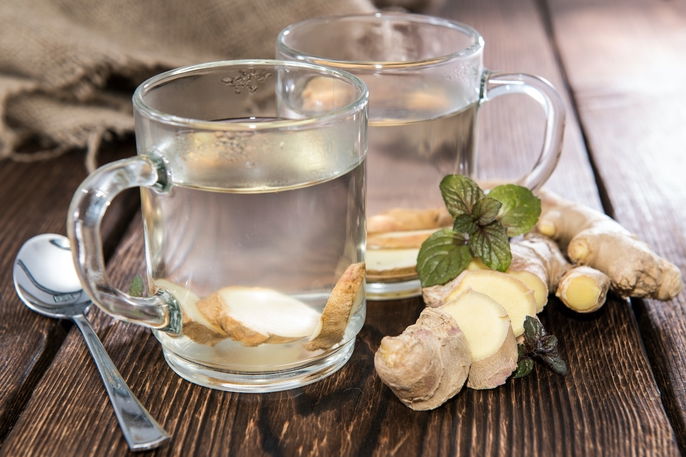
Herbal teas for inducing a period
Teas you can take to induce a period include:
1. Ginger tea
Ginger tea is considered to be safe for consumption during pregnancy, as long as it is taken in low doses (1 to 3 grams, or 1/3 to 1/2 of a teaspoon, for a maximum of 3 to 4 days). In higher doses, this root has the ability to cause uterine contractions.
Ginger can be used close to your period start day to stimulate menstruation. Learn more about the health benefits of ginger and how to incorporate it into your lifestyle.
Ingredients:
- 2 to 3 cm (about 1 inch) of sliced fresh ginger root
- 1 cup of hot water
Instructions:
Place the sliced ginger in the cup of hot water and allow it to soak for 5 to 10 minutes. Strain the infusion using a mesh sieve. You can drink this tea 2 to 3 times per day.
The sliced ginger root can be reused for 2 or 3 additional teas as long as you carve small cuts into the roots before you re-soak them. This allows for release of higher ginger concentrations.
2. Senna tea
Senna is a natural plant with laxative properties, but it can also cause uterine contractions. Senna contains substances that stimulate contractions of the smooth muscle, which are found in both the intestine and uterus.
In addition to treating constipation, senna tea can also be used by women to start their period. Read more about the benefits of senna tea and how it can contribute to your wellbeing.
Ingredients:
- 2 grams (about 1/2 a teaspoon) of senna leaves
- 1 cup of hot water
Instructions:
Place the senna leaves in the cup of hot water and allow them to soak for 5 to 10 minutes. Strain the infusion using a mesh sieve. You can drink this tea 2 to 3 times per day.
Because it is a known laxative, it is normal to experience diarrhea with senna tea, especially when you didn't have constipation to begin with. Ideally, this tea should not be used for more than 3 days, as it can cause abdominal discomfort and lead to dehydration or loss of electrolytes due to diarrhea.
3. Radish iced tea
Studies on radishes have shown that iced tea made with radish leaves can stimulate the uterus and induce menstruation. This effect is likely to be related to the saponins and alkaloids found in these leaves. These substances can stimulate contractions in the smooth muscle of the stomach, intestines and uterus.
Ingredients:
- 5 to 6 radish leaves
- 150 ml (or about 5 oz) of water
Instructions
Place the radish leaves and the water in a blender, and blend at a high speed until you obtain a homogenous mixture. Strain the liquid through a mesh sieve. You can drink 2 to 3 cups per day
Radish leaves are safe to consume and are actually very nutritious. They contain high quantities of vitamin C and other antioxidants that help to keep you healthy.
4. Oregano tea
Oregano is an aromatic herb that is used in some cultures to improve circulation to the uterus and stimulate uterine contractions. Sometimes it is used at the end of pregnancy to help with an easier delivery. Due to its properties, oregano can also be used to start your period.
Ingredients:
- 1 tablespoon of oregano
- 1 cup of hot water
Instructions:
Pour the cup of hot water over the oregano and allow to soak for 5 minutes. Let it cool, then strain the infusion through a mesh sieve. You can drink this 2 to 3 times per day.
5. Mint tea
Mentha longifolia, also known as horsemint or wild mint, has been traditionally used to help restore menstruation in women with hormonal imbalances or early ovarian insufficiency. It may support menstrual health by lowering elevated follicle-stimulating hormone (FSH) levels.
Ingredients:
- 1 tablespoon of dried Mentha longifolia leaves
- 1 cup of boiling water
Instructions:
Place the dried leaves in a cup of boiling water and steep for 10 minutes. Strain and drink once a day for several days to help induce menstruation.
6. Fennel tea
Fennel (Foeniculum vulgare) contains compounds that may help regulate the menstrual cycle by promoting estrogen-like activity in the body. Studies show that fennel tea can help induce menstruation in women with irregular or absent periods, with effects comparable to progesterone therapy in some cases.
Ingredients:
- 1 tablespoon of crushed fennel seeds
- 1 cup of boiling water
Instructions:
Add the crushed fennel seeds to the boiling water and let it steep for 10 to 15 minutes. Strain and drink 1 to 2 times per day for up to 5 days.
7. Cinnamon tea
Cinnamon (Cinnamomum verum) can help induce a period by improving blood circulation and supporting hormone balance. Research indicates that cinnamon may enhance menstrual cyclicity, especially in women with polycystic ovary syndrome (PCOS).
Ingredients:
- 1 cinnamon stick or ½ teaspoon of ground cinnamon
- 1 cup of water
Instructions:
Bring the water to a boil, add the cinnamon, and simmer for 5 to 10 minutes. Strain if needed and drink once a day.
8. Vitex Tea (Chasteberry)
Vitex agnus-castus, commonly known as chasteberry, may help normalize the menstrual cycle by influencing prolactin levels and supporting the function of the pituitary gland. It is often used to treat irregular periods and symptoms related to premenstrual syndrome (PMS).
Ingredients:
- 1 teaspoon of dried Vitex berries
- 1 cup of boiling water
Instructions:
Steep the berries in boiling water for 10 minutes. Strain and drink once daily, preferably in the morning. This tea may need to be used consistently for several weeks to notice results.
Who should not drink these teas
Teas that help to start periods alter regular blood flow to the uterus and to the uterine muscles. Therefore, these teas should be avoided if there is a possibility of pregnancy, as these can seriously impact fetal development.
Because some of these teas also have a laxative effect (due to their ability to stimulate the smooth muscle), these teas should also be avoided by children or older adults, unless under the supervision of a doctor.
What causes a late period?
The most common reason for late periods is pregnancy, however late periods can also be caused by hormonal changes, stress, or a high intake of caffeine (e.g. chocolate, coffee, soft drinks). Disorders like polycystic ovarian syndrome (PCOS) can also result in late or early periods. Learn more about what causes a late period.
If you suspect you are pregnant, these teas should certainly be avoided until pregnancy has been ruled out.
When to see the doctor
Late periods are relatively common and occur at least once in almost all women. Most of the time, periods are late due to small hormonal changes that resolve within a few days.
Nonetheless, if your period is late by over one week, or if you are also experiencing cramping or intense abdominal pain, you should consult a gynecologist for assessment.