


Tailbone pain is often caused by sitting for long periods, cycling for long distances, poor posture, or pregnancy. In these cases, pain in the tailbone is generally mild and temporary, but it can also be a sign of conditions like a herniated disc, pilonidal cyst, or fracture that require medical evaluation.
Pain in the tailbone, also called coccyx pain, can sometimes become intense or last longer than a week, and may interfere with walking or be accompanied by swelling or fever. In these situations, a healthcare provider may recommend imaging tests to identify the cause and start appropriate treatment.
Treatment for tailbone pain depends on its cause and may include rest, physical therapy, use of anti-inflammatories or other pain relievers, and, in more severe cases, surgery. Applying cold compresses, maintaining good posture, and using a donut-shaped cushion can also help relieve pressure and reduce discomfort.
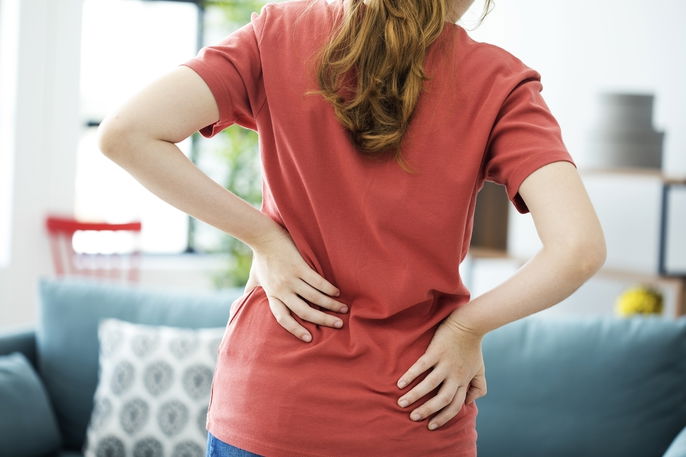
Why does my tailbone hurt?
The main causes of tailbone pain are:
1. Fall or direct blow
Accidents that cause a strong impact to the lower end of the spine, such as a fall while sitting or being kicked during sports, are among the most common causes of tailbone pain. In most cases, the pain subsides within a few minutes, but it can sometimes persist for several hours or days before gradually improving.
However, if the pain becomes more intense over time or unbearable when sitting, it could indicate a tailbone fracture, which requires prompt medical evaluation and treatment.
How to relieve: The best way to relieve tailbone pain caused by a fall or direct blow is to relieve pressure on the area. Avoid sitting or lying on your back while you are experiencing pain.
Cold compresses can also be applied to the area during the first 48 hours following the injury to reduce inflammation and relieve pain.
2. Repetitive strain
Exercise that requires repetitive movements, such as cycling or rowing, or exercising for prolonged periods of time can result in a repetitive strain injury.
These injuries occur when the muscles and ligaments are overstretched or strained, reducing their ability to keep the bones properly aligned. As a result, sudden pain may develop.
How to relieve: Apply an anti-inflammatory ointment over the area, like diclofenac gel. Avoid performing any activities that put additional pressure on the tailbone.
3. Pregnancy
In the last two months of pregnancy, the bones in the lower back and tailbone become more flexible to help the baby pass through the birth canal. This increased flexibility allows the spine to move more easily, which can cause pain, especially when sitting or standing up.
How to relieve: Applying cold compresses and lightly massaging the area can help relieve mild pain.
Tailbone pain can be prevented by making small changes in your daily routine, such as sitting and standing up slowly or using a donut-shaped pillow to reduce pressure on the tailbone when sitting.
4. Bad posture
Having poor posture (especially when sitting while working at a desk or driving, for example) can put increased pressure on the tailbone. This increased pressure can lead to pain throughout the day.
How to relieve: Lightly massage the painful area and avoid prolonged sitting to help relieve the pain. It's also important to maintain appropriate posture throughout the day. Poor posture can be fixed with awareness training, exercise, and physical therapy.
5. Pilonidal cyst
A pilonidal cyst is a small infection that develops near the tailbone. It occurs when hair and dead skin cells build up beneath the skin. Along with increasing pain in the area, a small lump may form and grow larger over time.
How to relieve: Pilonidal cysts require urgent medical attention to drain the pus from inside the cyst. In some cases, this treatment may be sufficient, however, if the cyst reappears, a small surgery may be recommended for full removal.
6. Herniated disc
In some cases, pain in the tailbone may be caused by problems in other locations along the spine. One of the most common spinal problems that causes tailbone pain is a herniated disc in the lumbar region of the spine.
How to relieve: If you suspect that the pain is related to a spinal problem, see an orthopedic surgeon for an evaluation and imaging tests to determine the cause and begin appropriate treatment.
7. Excess weight
Excess body weight puts extra strain on many parts of the body, especially the coccyx when sitting. Over time, the continuous pressure on this area can cause mild, persistent pain that worsens when seated.
How to relieve: In these cases, the ideal approach is to lose weight to relieve excess pressure on the coccyx. You may benefit from using a donut-shaped cushion when sitting, as this also helps reduce pressure on the area. Sleeping on your side at night, instead of on your back, also helps the area to recover.
8. Prolonged bedrest
People who must stay in bed for long periods because of surgery, serious injury, coma, or limited mobility may develop coccyx pain from staying in the same position too long. This prolonged pressure can also lead to pressure ulcers, also known as bedsores.
How to relieve: Changing positions regularly in bed and keeping the joints moving helps prevent tailbone pain and pressure ulcers related to prolonged bedrest.
9. Physical activity
Activities like horseback riding, weightlifting, martial arts, and contact sports such as rugby or football can cause tailbone pain due to physical impact on the joint. In addition to pain, there may be swelling in the area, difficulty moving, tingling, or weakness in the legs.
How to relieve: Working with certified instructors, coaches, and trainers helps prevent injuries to the coccyx and other joints. It’s also important to warm up properly before any high-impact activity to reduce the risk of injury.
10. Arthritis
Arthritis is a condition that causes inflammation in the joints, leading to pain, stiffness, deformity, and limited movement. It can affect any joint, but it most often occurs in the hands, feet, neck, knees, and sometimes the coccyx.
How to relieve: Treatment for arthritis is aimed at relieving symptoms and improving joint function. A doctor may recommend medication and lifestyle changes to help manage this condition.