


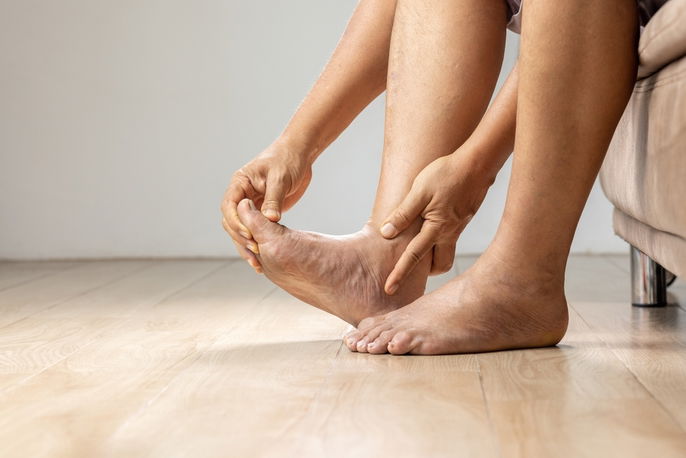
Swollen legs can result from various causes, ranging from chronic diseases to normal aging. Conditions such as heart failure, kidney problems, or deep vein thrombosis (DVT) can lead to fluid buildup in the legs, causing noticeable swelling and discomfort.
Prolonged sitting or standing, pregnancy, and medication use are also common culprits of swollen legs. Lifestyle changes, like elevating the legs, using compression socks, or switching medications, may help alleviate the swelling depending on the cause.
In more severe cases, such as those involving intense pain or difficulty moving the legs, medical intervention is necessary. Doctors may recommend specific medications or treatments to manage the underlying condition and provide relief.
Main causes
The most common causes of swollen legs are:
1. Prolonged sitting or standing
Standing or sitting for many consecutive hours, especially sitting with your legs crossed, can interfere with blood flow in the legs and make it more difficult for blood to return to the heart. This leads to the accumulation of blood in the legs, causing swelling as the day goes on.
What to do: Avoid sitting or standing for more than 2 hours, making sure to take breaks to stretch and move. At the end of the day, you can massage the legs and elevate them above heart level to promote optimal circulation.
2. Pregnancy
Pregnancy is one of the main causes of swollen legs in women between 20 and 40 years old. Pregnancy is associated with increased overall blood volume in the body, and the growing uterus can also interfere with circulation to the legs. Both of these factors contribute to blood accumulating in the legs, which is most pronounced after the fifth month of pregnancy.
What to do: Women are advised to use compression stockings and to take short walks throughout the day to promote blood circulation. When sitting or lying down, legs should be elevated on a pillow or stool.
3. Aging
Swollen legs are most frequently noted in older adults, as aging can cause blood vessel valves to become weaker and make blood return more difficult. This leads to the accumulation of blood in the legs.
What to do: Patients are advised to avoid standing or sitting for prolonged intervals, and to take pauses to elevate the legs when possible. Very severe swelling should be assessed by a doctor to investigate for other underlying causes, like hypertension. If necessary, the doctor may prescribe medication, like furosemide, to help eliminate excessive fluid.
4. Medication use
Some medications, like the birth control pill, diabetes medicine, antihypertensives, pain meds and hormone replacement therapy can cause water retention, leading to swollen legs.
What to do: You are advised to see your prescriber to determine whether the swollen legs are related to the treatment. The doctor may consider discontinuing the medication or swapping for an alternative. If the swollen legs persist, you should follow-up with a prescriber again.
5. Heart failure
Heart failure can prevent the heart from pumping blood effectively, leading to fluid buildup in the legs. Other symptoms that may accompany this condition include shortness of breath, fatigue during physical activity, a persistent dry cough, wheezing, and palpitations.
This issue can be caused by high blood pressure, coronary artery disease, arrhythmias, or congenital heart defects.
What to do: It's important to consult a cardiologist for a comprehensive evaluation and diagnostic tests to determine the type of heart failure. Treatment may involve medications, dietary changes, heart surgery, or, in severe cases, a heart transplant.
6. Chronic kidney failure
The kidneys are responsible for removing excess fluid from the body. When they are not functioning properly, fluid may accumulate in the legs, similar to the effect seen in heart failure.
Swelling in the legs can occur throughout the day, with worsening symptoms at night. Other possible signs include nausea, vomiting, general fatigue, loss of appetite, and changes in urine output.
What to do: Consult a nephrologist as soon as possible to begin treatment and prevent irreversible kidney damage. The doctor may recommend medications, dietary adjustments, and, in severe cases, a kidney transplant.
7. Liver problems
The liver produces proteins like albumin, which are essential for maintaining fluid balance in the body. When liver function is compromised, fluid may accumulate in the legs and other areas of the body.
Conditions such as liver failure and cirrhosis can lead to this type of swelling. Additional symptoms might include nausea, vomiting, fatigue, yellowing of the skin, easy bruising, and abdominal swelling.
What to do: It's recommended to see a general practitioner or hepatologist for tests that can evaluate liver function.
8. Deep vein thrombosis (DVT)
A thrombosis in the lower extremities can occur at any age, but it is more common in older adults and patients with a positive family history of this condition. It can be triggered by other factors, however, like having other clotting problems, prolonged sitting or standing, smoking, pregnancy or even birth control use.
DVTs cause sudden swelling in one leg, as well as intense pain, difficulty moving the affected leg and redness.
What to do: You are advised to proceed to the closest hospital for assessment. The doctors will order testing to determine the cause of the thrombosis and initiate treatment promptly to prevent complications.
9. Direct trauma
Direct trauma to the legs, which can occur with falling or taking a kick to the legs when playing soccer, for example, can rupture small blood vessels in the legs, leading to swelling. In these cases, swelling is accompanied by intense pain, bruising, redness and heat.
What to do: You should apply a cold compress to the affected area to reduce swelling and pain. If pain does not improve or resolve within a week, you should see a doctor for further assessment.
10. Arthritis
Arthritis is an inflammation of the joints that is most common in older adults. It can cause swelling in the legs, especially areas that have joints, like the knee, ankle or hip. Other symptoms include pain, deformity and difficulty moving.
Also recommended: Knee Arthritis: Symptoms, Diagnosis & Treatment Options tuasaude.com/en/knee-arthritisWhat to do: You can apply a topical anti-inflammatory to relieve swelling and pain, but you should ideally consult a rheumatologist to diagnose the issue and start appropriate treatment. The doctor may prescribe medication, physiotherapy, or in severe cases, surgery.
Some patients may also benefit from an arthritis diet, that prioritizes anti-inflammatory foods for all of your meals.
11. Infectious cellulitis
Infectious cellulitis is an infection that affects the deepest layer of skin, and is most caused by an infected wound that is left untreated. When skin in the legs becomes infected, it can cause swollen legs, intense redness, fever over 100ºF (or 38ºC) and intense pain. Learn more about what causes cellulitis and the treatment options available.
What to do: You should proceed to the closest hospital if symptoms persist for over 24 hours. A confirmed diagnosis will often be treated with IV antibiotics.