


- See a doctor if swollen fingers occur with fatigue, persistent pain, stiffness, or numbness, as this may signal conditions like arthritis, nerve compression, or kidney problems.
- Seek urgent medical care if swelling is accompanied by shortness of breath, chest pressure, or severe fatigue, which may indicate heart failure or another serious condition.
- Get immediate medical attention if swollen fingers appear with fever, intense pain, or skin color changes, as this may point to infection, gout, or inflammatory disease.
Swollen fingers can occur due to conditions like high uric acid, poor circulation, arthritis, or even factors such as high salt intake and physical activity. Depending on the cause, swollen fingers may also appear with symptoms like joint stiffness, numbness, tingling, or fever.
In some cases, swollen fingers are linked to underlying conditions such as kidney disease, heart failure, or carpal tunnel syndrome, while in others they may result from temporary factors like heat or hormonal changes. Treatments vary and may include medications, dietary changes, physical therapy, or simple measures like elevating the hands and reducing salt intake.
Swollen fingers should be evaluated by a healthcare provider, especially when symptoms like fatigue, chest pressure, or shortness of breath are present. Severe symptoms, particularly difficulty breathing, may indicate a serious condition and require immediate medical attention.
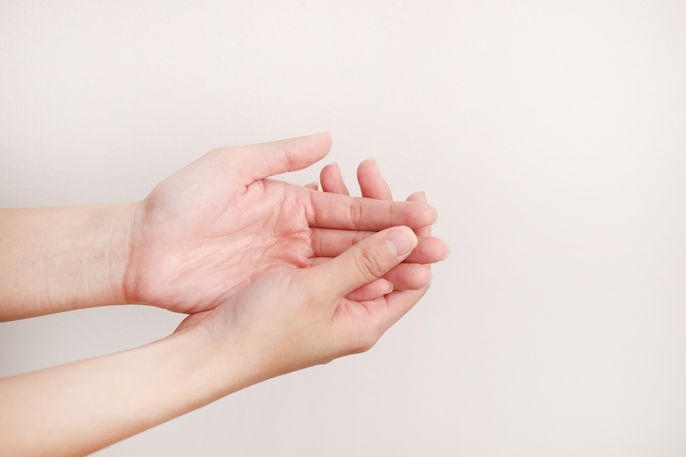
Why are my fingers swollen?
The most common causes of swollen fingers include:
1. High uric acid
Swollen fingers are a possible symptom of hyperuricemia, a condition involving high levels of uric acid in the body. Hyperuricemia can be caused by kidney problems and diabetes. It may also be caused by overconsumption of purine-rich foods, such as red meat and seafood, or from drinking too much alcohol.
Also recommended: High Uric Acid Symptoms: 10 Common Signs tuasaude.com/en/high-uric-acid-symptomsWhat to do: Medications such as allopurinol, colchicine, and probenecid are used in the treatment of hyperuricemia to help decrease production and increase excretion of uric acid.
It is also advised to avoid protein-rich foods such as red meat, liver, shellfish, certain fish, and alcoholic beverages, specifically beer.
2. Poor circulation
Poor circulation is the most common cause of swollen fingers and is caused by conditions that disrupt the normal transport of blood, nutrients, and oxygen throughout the body.
What to do: Poor circulation can be managed through non-invasive interventions like elevating the feet, wearing compression stockings, performing lymphatic drainage massage, drinking enough water, and engaging in at least 150 minutes of physical exercise per week.
Medications like diuretics, antiplatelets, and anticoagulants may be indicated in people with other conditions like diabetes, atherosclerosis, or high blood pressure.
Also recommended: Poor Circulation in Legs: Symptoms, Causes & Treatment tuasaude.com/en/poor-circulation-in-legs3. Arthritis
Arthritis is inflammation of the joints in the body that causes swollen fingers; stiff, painful joints; reduced mobility; and redness of the skin.
Arthritis is a condition that can affect anyone, but is more common in people over 40 and in individuals with overweight or obesity.
What to do: It is important to consult your doctor or primary care provider for any symptoms of arthritis. Treatment may involve the use of anti-inflammatories, physical therapy, or surgery. You may be referred to a rheumatologist for more specialized treatment. Read about rheumatoid arthritis.
Following an anti-inflammatory diet is also recommended in the management of arthritis and includes berries, citrus fruits, fish, nuts, and green tea.
4. Hot weather
High temperatures, like in summer, cause blood vessels to dilate, increasing blood flow to the hands and resulting in swollen fingers.
What to do: Methods to decrease swelling in the fingers include elevating the arms and opening and closing your hands several times to facilitate blood return to the heart. You can also try massaging your fingers or performing lymphatic drainage massage.
Make sure to drink lots of water during the day and follow a healthy and well-balanced diet. This can help prevent fluid retention and swelling of the hands.
Also recommended: Swollen Hands: 9 Possible Causes (& How to Treat) tuasaude.com/en/swollen-hands5. High salt intake
Swollen fingers can also be caused by too much salt in the diet. This is because salt contains a lot of sodium, which is a mineral that retains water. High amounts of sodium in the body can cause fluid retention.
What to do: For the treatment of fluid retention, doctors may prescribe diuretics such as hydrochlorothiazide, furosemide, and aldactone.
Other non-medical interventions for fluid retention include decreasing salt intake, engaging in regular physical activity, and drinking certain teas. Learn about natural diuretics.
6. Physical activity
Physical activity increases blood flow in the body to the heart, lungs, and muscles.
This leads to decreased blood flow to the extremities, causing the blood vessels to dilate and the fingers to swell.
What to do: Perform arm circles forward and backward during exercise to help stimulate blood flow and prevent swollen fingers.
In addition, try keeping your hands above heart level during exercise to help avoid swelling in the fingers and hands.
7. Carpal tunnel syndrome
Carpal tunnel syndrome is caused by pressure on the medial nerve that passes through the center of the hand and can cause symptoms like pain, swelling, numbness, tingling, and a warm sensation in the hands and fingers.
What to do: A wrist brace can be used to immobilize the wrist and help relieve pain and swelling in the fingers.
However, you are advised to talk to your doctor or primary care provider if you are experiencing persistent symptoms. Treatment for carpal tunnel may involve medications like ibuprofen or acetaminophen or referral to an orthopedist to discuss options such as corticosteroid injections or surgery.
8. Hormone imbalances
Fluctuations in hormone levels, specifically estrogen and progesterone, can cause fluid retention in the body, leading to swollen fingers. Hormone changes are typical at certain points in the menstrual cycle and during pregnancy.
Changes in hormone levels can also cause other symptoms such as mood swings and headache, particularly in the case of premenstrual syndrome (PMS). Learn about PMS symptoms.
What to do: Try massaging the fingers or performing lymphatic drainage massage to help reduce swelling and prevent fluid buildup.
It is also recommended to stay hydrated and consume foods that are natural diuretics, such as cantaloupe and watermelon. Read about other diuretic foods.
9. Cardiac insufficiency (heart failure)
Swollen fingers and hands can be a sign of cardiac insufficiency or heart failure, a condition in which the heart is not strong enough to pump blood through the body as well as it should. This can result in pooling of blood in the hands and feet, leading to swelling.
Heart failure usually presents with additional symptoms including swollen feet, excessive tiredness, shortness of breath, and chest pressure. It is important to seek urgent medical attention for symptoms such as shortness of breath and chest pain or pressure.
What to do: Heart failure is treated with medications like vasodilators, diuretics, and beta blockers, as prescribed by a doctor.
It is also important to follow a healthy diet, engage in regular physical activity, and make certain lifestyle changes, such as not smoking, avoiding alcohol, and getting a good night's sleep.
10. Certain medications
Swollen fingers can be caused by the use of certain medications such as corticosteroids, minoxidil, and antihypertensives like captopril, enalapril, lisinopril, amlodipine, and nimodipine.
What to do: Talk to your doctor if you are experiencing swollen fingers while taking one of these medications. It may be necessary to change the dose or try a different medication.
Other strategies for relieving swollen fingers include elevating your arms and performing lymphatic drainage massage, which can also help improve circulation and prevent swelling of the fingers and hands.
11. Acute kidney injury or chronic kidney disease
Acute kidney injury (AKI) and chronic kidney disease (CKD) mean the kidneys are not functioning as well as they should, leading to fluid retention and swelling of the fingers.
Other symptoms include fatigue, swelling of the legs and feet, itchiness of the skin, and frothy urine.
What to do: Treatment of an acute kidney injury or chronic kidney disease is managed by a nephrologist (kidney specialist) and may include IV fluids, diuretics, antihypertensives, and medications used to treat diabetes.
In some cases, dialysis or a kidney transplant is indicated when the kidneys are no longer able to function properly. Dialysis is a procedure that filters the blood and removes excess toxins, minerals, and fluids.
12. Gout
Swollen fingers and toes can be a sign of gout, an inflammatory illness caused by an accumulation of uric acid in the joints.
Gout can also cause symptoms like intense pain, skin redness, fever, and general malaise.
What to do: Treatment may include prescription medications like allopurinol, probenecid, or colchicine to help decrease uric acid levels and reduce pain and swelling. A rheumatologist or primary care provider can counsel you on the best treatment approach.
Dietary modifications can also help to regulate uric acid levels. This involves prioritizing fruits, vegetables, and legumes and limiting your intake of purine-rich foods like red meat, fish, and seafood. Read more about the gout diet.
13. COVID-19
"COVID toes" is a popular term used to describe a rare complication of COVID-19 in which the toes (or fingers) appear red or purple. Other symptoms include swelling of the fingers and toes, blisters, painful lesions, itchiness, and rough skin.
COVID-19 is a respiratory infection caused by the coronavirus SARS-CoV-2 and is transmitted from inhaling droplets produced by a person infected with COVID-19. In some cases it may be transmitted through contact with contaminated surfaces.
What to do: Mild cases of COVID-19 may be managed with over the counter medications like acetaminophen or ibuprofen to relieve pain, fever, headache, and malaise. Doctors may also recommend treatment with monoclonal antibodies or the antiviral drug remdesivir.
Severe cases may require admission to the hospital for treatment with IV medications and supplemental oxygen.
