


- Sweaty palms that persist or interfere with daily activities should be assessed by a dermatologist.
- Sweating that starts suddenly or is linked to thyroid problems, diabetes, infections, or medications may need medical evaluation.
- Severe sweaty palms that do not improve with antiperspirants may require treatments like iontophoresis, medications, or other options.
Sweaty palms, also called palmar hyperhidrosis, happen when the sweat glands in the hands are overactive. This can cause the hands to feel constantly damp, cold, and may lead to changes in skin color.
This condition usually starts in childhood or adolescence and can affect the hands, feet, or both. It often gets worse during moments of stress or anxiety and may run in families, suggesting a genetic predisposition.
Treatment for sweaty palms is typically managed by a dermatologist and often starts with topical antiperspirants. Other options may include therapies such as iontophoresis, medications, or, in more severe or resistant cases, surgery to reduce sweating.
Main symptoms
Excessive sweating in the hands can lead to physical and social effects, such as:
-
A persistent feeling of damp or wet hands, even in mild temperatures
-
Difficulty holding objects, such as a phone, pen, or steering wheel, due to constant moisture
-
Frequent need to dry the hands throughout the day
-
Cold hands caused by continuous sweat evaporation
-
Changes in skin color, which may appear pale or reddish
-
Increased sweating in response to stress, anxiety, or nervousness
-
Discomfort in social situations, such as shaking hands
These signs typically affect both hands and are not caused by another health condition. Mild finger swelling may also occur in some cases.
Sweating is usually more intense on the palms and fingers and less noticeable on the back of the hands.
Sweaty hands and feet
Many people who have excessive sweating in their hands also experience it in their feet. However, the severity can differ between areas, and not everyone is affected in both.
In hyperhidrosis, the most commonly affected areas are the palms, soles, and underarms.
Excess moisture in the feet can cause discomfort when wearing shoes, increase odor, and lead to skin irritation.
Confirming a diagnosis
A dermatologist typically diagnoses sweaty palms by evaluating symptoms and how long they have been present.
In some cases, the doctor may use simple tests, such as the iodine-starch sweat test, to evaluate the amount of sweat and how it is distributed on the hands.
The doctor may also check whether other health conditions are causing the problem, such as thyroid disorders, diabetes, infections, or side effects from certain medications. This may involve blood tests, including hormone tests.
Possible causes
Sweaty palms can have different causes. The most common include:
-
Genetic factors, which may occur in some families
-
Stress and anxiety, as nervousness can increase sweat production
-
Medication side effects, such as antidepressants, antipsychotics, or some blood pressure medications, which can stimulate sweating
-
Hormonal changes, such as puberty, pregnancy, or menopause
In addition, some medical conditions can contribute to increased sweating in the hands, including thyroid disorders, which speed up metabolism and stimulate sweat production, and diabetes, which can affect the body’s regulation.
Treatment options
Treatment for sweaty palms should be guided by a dermatologist and may include:
1. Antiperspirants
Topical antiperspirants, such as solutions or creams containing aluminum chloride, can help reduce sweating by temporarily blocking the sweat gland ducts.
According to the American Academy of Dermatology, antiperspirants are often the first treatment used for excessive sweating and may be recommended for the hands, feet, or underarms.
It is also important not to wear gloves or cover the hands to hide moisture, as higher temperatures can increase sweat production even more.
2. Iontophoresis
Iontophoresis is one of the most commonly used techniques for treating excessive sweating of the hands. During this procedure, the hands are placed in water while a mild electrical current passes through it, helping to temporarily reduce sweat gland activity.
Treatment usually starts with daily sessions lasting about 10 to 15 minutes. As symptoms improve, sessions are gradually spaced out, often to once a week or every few weeks, depending on symptom control.
Iontophoresis can be done at home using specialized devices. However, professional guidance at the start of treatment is recommended to help prevent irritation, excessive skin dryness, or small blisters.
Because it is not a permanent treatment, iontophoresis needs to be performed regularly to maintain results and effectively control sweating.
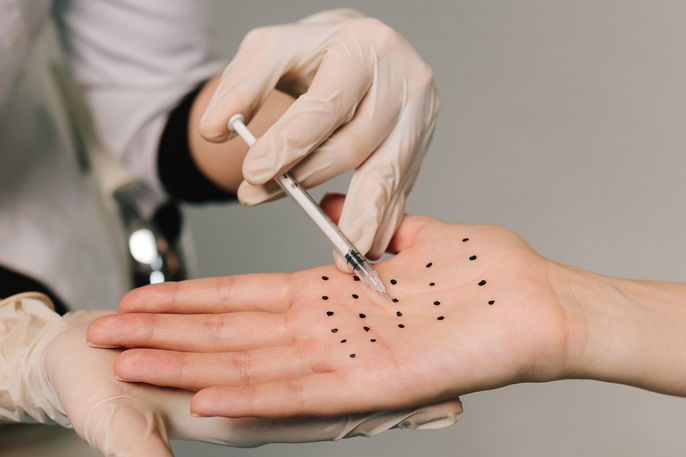
3. Botulinum toxin
This substance, also called Botox, can be injected into the skin to block sweat production by the sweat glands in the treated area.
However, treatment with botulinum toxin has a temporary effect and needs to be repeated regularly, which can be uncomfortable for some people.
4. Medications
For more severe cases, medications that reduce the activity of the nervous system responsible for sweat production may be prescribed, such as glycopyrrolate and oxybutynin, which belong to a group of medications called anticholinergics.
Although these medications can help control sweating, anticholinergics may cause side effects such as dry mouth, difficulty urinating, dizziness, and, in some cases, digestive discomfort.
5. Surgery
When other treatments do not work, surgery may be considered. This procedure, called sympathectomy, involves cutting or blocking the nerves that control sweating in the hands, greatly reducing sweat production.
However, it is an invasive procedure and may cause side effects, such as increased sweating in other parts of the body. It may also have the opposite effect, making the hands very dry and requiring the use of moisturizing creams.
6. Psychotherapy
Psychotherapy may be recommended to help manage anxiety and insecurity, if needed.
Excessive sweating in the hands often occurs in people under 25, especially adolescents. Because it can affect emotional development during adolescence, psychotherapy may be helpful in some cases.
How to prevent
Some steps can help reduce sweating and ease the daily discomfort of sweaty palms, such as:
-
Keeping the hands dry: carrying tissues or towels, or using antiperspirant powder, can help dry the hands quickly when needed
-
Wearing appropriate clothing and gloves: choosing fabrics that do not increase moisture, such as cotton, and avoiding excessive use of synthetic gloves
-
Maintaining proper hygiene: washing the hands regularly and drying them carefully, without rubbing too hard, can help reduce discomfort
-
Avoiding foods and drinks that increase sweating: reducing caffeine and very hot or spicy foods, which can stimulate sweat production.
It is also important to try to avoid triggers such as stress, anxiety, or tension, which can increase sweat production. Relaxation techniques, deep breathing, and meditation may help control these episodes.
Some natural remedies may also help. For example, drinking sage or chamomile tea may slightly reduce sweating and can be used as a complementary approach.
