


Sporotrichosis is a fungal infection caused by Sporothrix fungi, typically resulting in reddish lumps and skin sores. In more advanced cases, the infection can spread to the lungs, leading to respiratory symptoms like coughing, shortness of breath, and chest pain.
While this condition affects both humans and animals, cats are the most frequently affected hosts. Humans typically contract sporotrichosis through scratches or bites from infected animals, particularly stray cats.
It is vital to consult a healthcare provider if you suspect exposure to ensure a confirmed diagnosis and appropriate care. Treatment generally involves a course of antifungal medication lasting up to six months, depending on medical advice.
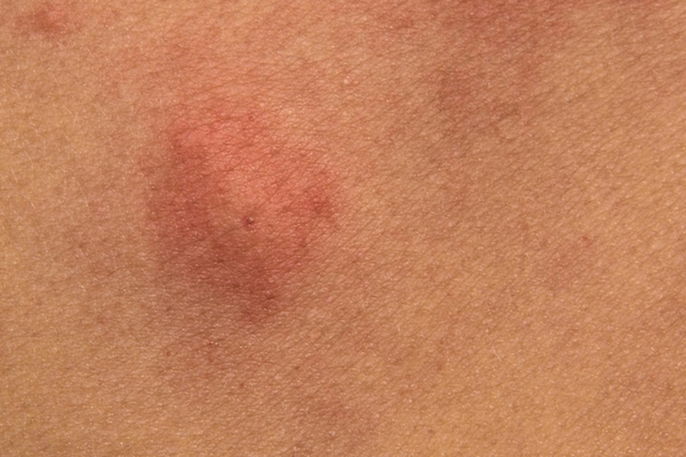
Main symptoms
The primary symptoms of sporotrichosis in humans include:
-
A small reddish bump on the skin, resembling a mosquito bite
-
Open sores or ulcers that may drain fluid
-
A lump or sore that grows slowly over several weeks
-
Wounds that do not heal properly
In severe cases, sporotrichosis can affect the lungs, triggering fever, cough, shortness of breath, and pain while breathing.
In rare instances, particularly if treatment is delayed or inadequate, the fungus can spread throughout the body to the joints and bones. This complication often causes joint swelling and pain during movement.
Confirming a diagnosis
Diagnosis is typically performed by an infectious disease specialist or a dermatologist based on an evaluation of the patient's signs and symptoms.
Cutaneous (skin) sporotrichosis is usually identified via a biopsy of a small tissue sample from the affected skin bump. However, if the infection is suspected in other parts of the body, a blood test or microbiological analysis of the lesion is necessary to confirm the presence of the fungus.
Common causes
Sporotrichosis is caused by fungi of the Sporothrix genus. While it was initially believed that only the species Sporothrix schenckii caused the disease, there are now reports of infections caused by Sporothrix brasiliensis. This specific species mainly affects cats but can easily be transmitted to humans.
Types of sporotrichosis
There are three main classifications for this infection:
-
Cutaneous sporotrichosis: This is the most common form in humans, affecting the skin on the hands and arms.
-
Pulmonary sporotrichosis: This is a rare form that occurs when fungal spores are inhaled from dust, leading to respiratory issues.
-
Disseminated sporotrichosis: This occurs when the infection is not treated properly and spreads to other areas, such as bones and joints; it is more common in individuals with compromised immune systems.
In most cases, sporotrichosis is straightforward to treat, requiring only a course of oral antifungal medication for three to six months. However, if you suspect you have contracted an illness after contact with a cat, it is crucial to see a primary care physician or infectious disease specialist to confirm the diagnosis and begin therapy.
Treatment options
Treatment for sporotrichosis should always follow a doctor's protocol, typically involving antifungal medications such as itraconazole for a period of three to six months.
For disseminated sporotrichosis, where the fungus has affected other organs, a stronger antifungal like amphotericin B may be required. This treatment is often administered intravenously and may last for about one year, or as recommended by the specialist.
It is critical not to stop treatment without medical advice, even if symptoms disappear. Halting medication early can encourage the fungus to develop resistance, making the infection much more difficult to treat in the future.