


Spanish lime (Melicoccus bijugatus) is a tropical fruit that offers several health benefits, as it can help lower blood pressure, regulate blood sugar levels, and improve circulation.
Rich in iron, phosphorus, vitamins, and protein, spanish lime has strong medicinal and nutritional value. It is currently being studied for its potential effects on high blood pressure and diabetes.
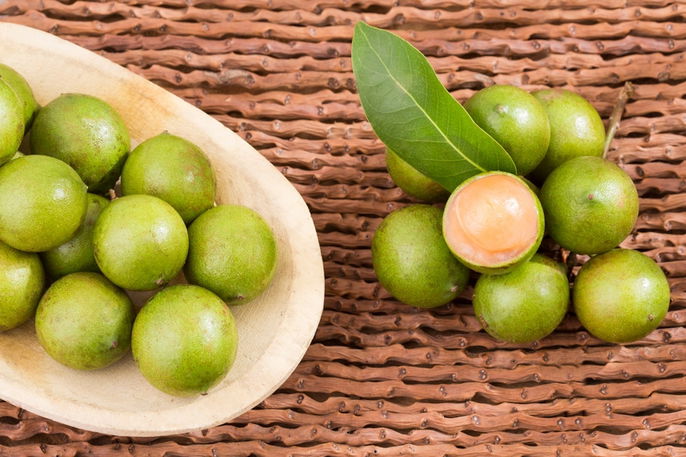
Also known as mamoncillo or quenepa, this small, tangy-sweet fruit has a thin green shell. Inside, it contains a large seed surrounded by a gelatinous pulp that ranges from yellow to orange. It should be eaten carefully, as the slippery seed can accidentally get stuck in the throat.
Health benefits
Spanish limes can provide the following health benefits:
1. Helps prevent diabetes
Spanish lime is rich in tannins, compounds that help lower blood sugar levels and slow glucose absorption in the body, making it a good natural aid for preventing diabetes.
2. Supports heart health
The pulp of spanish lime contains caffeic acid, a bioactive compound with antioxidant and anti-inflammatory properties. This substance helps prevent blood vessels from thickening, improving circulation and reducing the risk of high blood pressure and cardiovascular problems.
3. Prevents constipation
Both the edible seed and the pulp of spanish lime contain fiber, which increases stool volume and promotes regular bowel movements.
In addition, fiber improves intestinal transit and supports healthy digestive function, helping to prevent or relieve constipation.
4. Strengthens the immune system
Spanish lime contains vitamin C and bioactive compounds like polyphenols and flavonoids, which help strengthen immune cells and support the body’s natural defenses.
5. May help treat asthma
The pulp of spanish lime contains caffeic acid, a compound that can block the production of leukotrienes, substances involved in the inflammatory reactions that affect the airways. By blocking these compounds, inflammation is reduced, which can help ease breathing difficulties and asthma symptoms.
6. Supports weight loss
Spanish lime is a low-calorie, high-fiber fruit. Its fiber content helps increase the feeling of fullness, which may support weight management and reduce overeating.
Properties of spanish lime
Spanish lime has antioxidant, antihypertensive, antimicrobial, hypoglycemic, and antiparasitic properties due to its content of vitamins, minerals, fiber, and other bioactive compounds such as flavonoids and caffeic acid. These contribute to overall health and proper body function.
Although it offers many benefits, it should be consumed in moderation, as excessive intake has been linked to potential toxic effects in some studies.
Nutritional information
The following table shows the nutritional composition of 100 g of spanish lime, which equals approximately 10 fruits:
To obtain all the benefits of spanish lime, this fruit should be included as part of a balanced and varied diet.
How to consume
Spanish lime can be eaten raw by simply removing the shell, or it can be used to prepare flavored water, juice, or sweets.
It is worth noting that studies have shown there are specific preparations that may help treat diarrhea and lower blood sugar levels.
To treat diarrhea, it is recommended to crush spanish lime seeds, mix them with hot water, and drink the mixture as an infusion.
To help lower blood sugar levels, it is recommended to take the peeled fruit. Boil five seeds in five cups of water until the liquid reduces to one cup. This preparation should be consumed in moderation, ideally once every six months. However, it is always important to consult a doctor before starting any treatment, especially for people taking medication for diabetes.
What happens if you swallow a spanish lime seed
The seed of spanish lime is edible, so swallowing a crushed seed does not pose any health risk.
However, care should be taken when eating the fruit, as the seed is large and slippery and can get stuck in the throat, causing choking. If this happens, appropriate first aid should be applied.
Healthy recipes
Some health recipes with spanish limes include:
1. Spanish lime water
Ingredients:
-
1 cup of spanish lime pulp without seeds (about 10–12 fruits)
-
4 cups of water
-
Sugar to taste (optional; honey or stevia can also be used)
-
Ice (optional)
Preparation:
Peel the fruits and extract the pulp, discarding the seeds. Place the pulp in a blender with 4 cups of water and blend until smooth. For a thinner texture, strain to remove fibers.
Add sugar, honey, or another sweetener to taste. To enjoy it cold, add ice before serving.
2. Spanish lime juice
Ingredients:
-
Pulp with seeds (about 10–12 fruits)
-
4 cups of water
-
Brown sugar or honey to taste (optional)
-
Ice (optional)
Preparation:
Peel the fruits and place the pulp, including the seeds, in a blender with 4 cups of water. Blend until smooth.
Add sweetener to taste and mix well. Serve cold with ice if desired.
3. Spanish lime jam
Ingredients:
-
1 kg of spanish limes
-
500 g of brown sugar
-
1 cup of water
-
Juice of 1 lemon (optional)
-
1 cinnamon stick (optional)
Preparation:
Peel the fruits and extract only the pulp, discarding the seeds. Place the pulp in a large pot and add sugar, water, and optional ingredients like lemon juice or cinnamon.
Cook over medium heat, stirring frequently to prevent sticking. Let it simmer until it thickens and becomes sticky (about 30–40 minutes).
Once ready, remove from heat, let it cool slightly, pour into a mold, and allow it to set completely before cutting into pieces.
Spanish lime vs. Chinese lime
These are similar tropical fruits but differ in taste, shape, and origin.
Spanish lime (Melicoccus bijugatus), native to Latin America and the Caribbean, has a green shell and gelatinous pulp surrounding a large seed. It has a tangy-sweet flavor and is commonly eaten fresh, in juices, sweets, or for medicinal purposes.
The Chinese lime (Dimocarpus longan), native to Southeast Asia, has a thin brown shell, translucent pulp, and small seed. It has a sweet flavor and is used fresh, in teas, desserts, and in traditional Chinese medicine.