


- Soybeans are packed with antioxidants and plant-based protein that support heart health and may reduce cancer risk.
- They contain isoflavones that mimic estrogen, acting as a natural remedy for menopause symptoms like hot flashes.
- This versatile ingredient promotes weight loss, regulates blood sugar levels, and supports bone and skin health.
Soybeans are rich in phenolic compounds, antioxidants, and plant-based protein, which help protect the heart and reduce the risk of cancer. Additionally, they promote bone and skin health, support weight loss, and help regulate blood sugar levels.
Furthermore, soybeans contain isoflavones, a compound with a structure and action similar to human estrogen. This makes soy an excellent food choice for alleviating the symptoms associated with menopause.
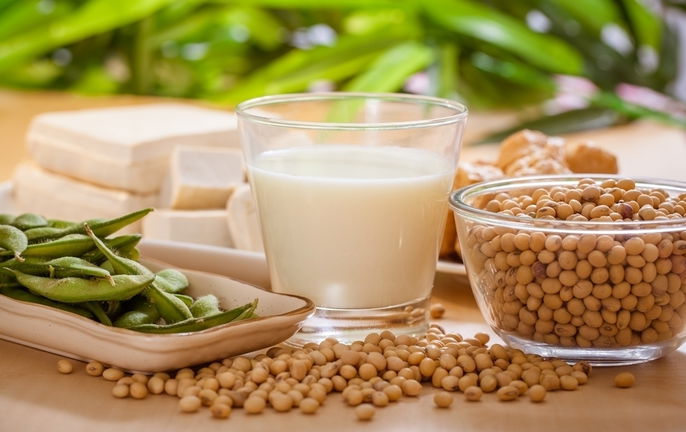
While soybeans can be consumed as whole grains, they are also found in many processed forms such as flour, soy extract, and plant-based beverages. Other common soy-based products include tofu, natto, soy protein, soy sauce, and soybean oil.
Health benefits
The main health benefits of soybeans include:
1. Protect the heart
Soybeans are rich in saponins, antioxidants (isoflavones), and fiber, compounds that work together to lower total cholesterol, LDL (bad cholesterol), and triglycerides. This helps prevent the onset of cardiovascular diseases such as stroke, atherosclerosis, and high blood pressure.
2. Relieve menopause and PMS symptoms
The isoflavones present in soybeans have a structure and activity similar to the hormone estrogen.
Consequently, soybeans can help regulate estrogen levels, relieving menopause symptoms like hot flashes, night sweats, and irritability. They can also help reduce symptoms of premenstrual syndrome, commonly known as PMS.
3. Decrease the risk of some types of cancer
Soybeans contain genistein, a type of phytoestrogen belonging to the isoflavone family, which possesses antioxidant and antitumor properties. These properties protect the body's cells from free radical damage and prevent the proliferation of cancer cells.
Studies have associated this type of isoflavone with a decreased risk of breast, prostate, and colorectal cancer.
4. Promote bone and skin health
Consuming soybeans can help strengthen bones by decreasing calcium excretion in urine, thereby preventing conditions like osteoporosis and osteopenia.
Additionally, soy consumption helps maintain skin firmness and elasticity by stimulating the production of collagen and hyaluronic acid.
5. Regulate blood sugar levels
Soybeans are high in fiber, which helps delay the absorption of sugars in the intestine, effectively regulating blood sugar levels.
Moreover, soybeans contain glycine and arginine, two amino acids related to blood glucose regulation, which may help prevent and manage diabetes.
6. Support weight loss
In addition to being low in carbohydrates, soybeans are rich in protein and soluble fiber, both of which increase satiety and reduce appetite. This makes soy beneficial for weight loss, especially when included in a balanced, healthy diet.
Soybeans are also an excellent option for those looking to build muscle mass and lose fat, as the quality of soy protein is comparable to animal protein.
7. Substitute animal protein
Soybeans are a rich source of high-quality protein; 100 grams (about 3.5 oz) of cooked soybeans provide 12.5 grams of plant-based protein.
This makes soy an excellent substitute for animal protein, not only for vegetarians but also for individuals with allergies to cow's milk protein.
Nutritional information
The following table outlines the nutritional composition of 100 g of cooked soybeans, soy flour, and soy milk:
To obtain all the benefits mentioned above, soybeans should be part of a balanced diet combined with regular physical activity.
To learn how to include soy in a healthy diet, schedule a consultation with a dietitian in your area.
Also recommended: Soy Milk: 6 Health Benefits & How to Make It at Home tuasaude.com/en/soy-milkHow to consume
Soybeans can be consumed as cooked grains, flour, extract, or soy protein (often used as a meat substitute or nutritional supplement).
Other ways to consume soy include soy milk, tofu, tempeh, yogurt, cheese, and natto. To reap the benefits of this legume, it is recommended to consume approximately 85 g (3 oz) of cooked soybeans, 30 g (1 oz) of tofu, or 1 cup of soy milk per day.
Supplements such as soy lecithin, which is extracted from soybean oil, are also available and can be taken in capsule form.
Do soybeans contain phytic acid or phytates?
Soybeans contain phytic acid, also known as phytates. This compound is found in various foods and can inhibit the intestinal absorption of zinc and iron.
However, cooking methods such as steaming, boiling, or fermenting reduce the levels of this compound, minimizing its impact on mineral absorption.
Who should not consume
People with thyroid issues should consume soy in moderation. Soy foods can interfere with the absorption of thyroid hormone medications.
Healthy recipes with soy
Soybeans are versatile and can be used in many recipes. Here are two options:
1. Soy stroganoff
Ingredients:
-
1 ½ cups fine textured vegetable protein (TVP)
-
1 medium onion, chopped
-
3 tablespoons olive oil
-
2 cloves garlic
-
6 tablespoons mushrooms
-
2 tomatoes
-
5 tablespoons soy sauce
-
1 tablespoon mustard
-
1 small carton of light cream (or light heavy cream)
-
Salt and parsley to taste
Preparation:
Hydrate the soy protein (TVP) with hot water and the soy sauce. Drain excess water and set aside. Sauté the onion and garlic in the oil, then add the soy protein.
Add the mustard, tomatoes, and mushrooms, and let cook for 10 minutes. Stir in the cream and parsley, then serve.
2. Soy burger
Ingredients:
-
1 kg (2.2 lbs) soybeans
-
6 carrots
-
4 medium onions
-
3 cloves garlic
-
4 eggs
-
400 g breadcrumbs
-
1 teaspoon olive oil
-
1 pinch oregano
-
Grated Parmesan cheese to taste
-
Salt and pepper to taste
Preparation:
Soak the soybeans in water overnight so they are soft, then cook for 3 hours. Chop and sauté the onion, garlic, and carrots.
Add the cooked soybeans to the vegetable mixture, season with salt and pepper to taste, and blend or process the mixture (you may need to do this in batches).
Once processed, mix in the eggs and half of the breadcrumbs. Form the mixture into patties and coat them with the remaining breadcrumbs. These soy burgers can be frozen or grilled immediately.