


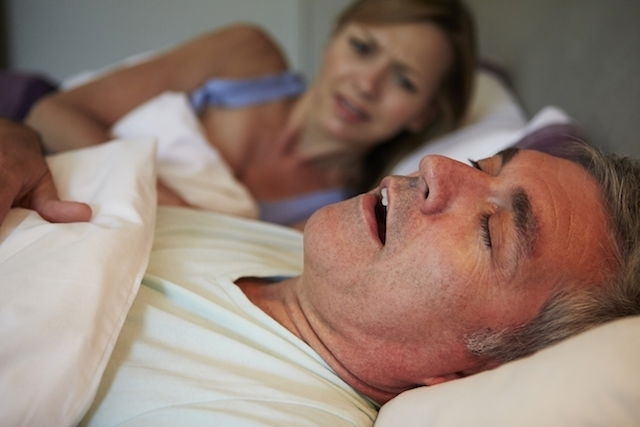
Snoring is a rhythmic sound that occurs during sleep due to the relaxation of the walls of the pharynx, which makes it harder for air to move through the airways. This can lead to symptoms such as a rattling or choking sound, gasping while breathing, daytime sleepiness, or morning headaches.
Also known as ronchopathy, snoring isn’t always considered a problem and can happen when someone sleeps on their back. However, it may also be linked to certain conditions, such as obstructive sleep apnea (OSA) or enlarged adenoids.
If snoring is frequent or loud, especially when accompanied by other symptoms, it’s important to see an otolaryngologist (ENT) or a sleep medicine specialist to determine the cause and recommend the most appropriate treatment if needed.
Common symptoms
The main symptoms of snoring include:
-
Loud sounds like rumbling, whistling, choking, rattling, or grumbling noises;
-
Gasping or puffing while breathing;
-
Restless sleep;
-
Dry throat upon waking;
-
Tiredness or daytime sleepiness;
-
Morning headaches.
Snoring can also cause irritability, mood changes, or difficulty concentrating, especially when it happens frequently and affects sleep quality.
Other possible symptoms include breathing pauses during sleep or sounds so loud that they disturb a partner’s rest.
It’s important to consult a sleep medicine specialist or ENT if snoring occurs often, interferes with daily activities, or causes short pauses in breathing during sleep. This helps ensure an accurate diagnosis and appropriate treatment.
Confirming a diagnosis
A diagnosis of snoring is usually made by a sleep medicine specialist or otolaryngologist after evaluating symptoms, reviewing medical history, and performing a physical exam of the upper airways.
The doctor may also recommend imaging tests such as X-rays, CT scans, or MRI to check for issues like enlarged adenoids or a deviated septum.
Another test that may be requested is a polysomnography, which records your sleep patterns while you rest to assess breathing and detect possible abnormalities.
What causes snoring
The main causes of snoring include:
-
Facial bone changes, such as a recessed chin or small mouth;
-
Obstructive sleep apnea (OSA);
-
Enlarged tonsils or adenoids;
-
Chronic rhinitis, sinusitis, or nasal polyps;
-
Excessive alcohol consumption;
-
Use of sleeping medications.
Other factors like smoking, being overweight, aging, menopause, hypothyroidism, obesity, and a history of stroke can also increase the likelihood of snoring.
Snoring typically happens because, during sleep, the muscles of the throat and tongue relax and fall slightly backward, narrowing the airway and causing vibrations in the tongue, soft palate, or epiglottis.
How to stop snoring
Treatment for snoring is usually managed by an otolaryngologist (ENT) and may include:
1. Lifestyle changes
Certain habits can help reduce airway obstruction during sleep, such as:
-
Avoiding alcohol and sedatives before bed;
-
Losing weight;
-
Quitting smoking;
-
Avoiding sleeping on your back.
These lifestyle adjustments can improve airflow and reduce snoring intensity.
2. Exercises to stop snoring
Specific exercises can strengthen the muscles of the airways and help reduce snoring. These exercises should be done with the mouth closed, keeping the jaw and facial muscles still and focusing only on the tongue and soft palate:
-
Push the tongue against the roof of the mouth and slide it backward, as if sweeping, repeating 20 times or as many as possible;
-
Suck the tip of the tongue upward against the roof of the mouth, hold for 5 seconds, and repeat 20 times;
-
Lower the back of the tongue while contracting the throat and uvula, 20 times;
-
Raise the soft palate while making the “Ah” sound, holding the contraction for 5 seconds, and repeating 20 times;
-
Place one finger between the teeth and cheek, push outward with cheek pressure for 5 seconds, alternating sides;
-
Inflate a balloon while keeping the cheeks contracted, inhaling through the nose, expanding the belly, and exhaling into the balloon to engage the throat muscles.
These movements may take some practice and are best performed under the guidance of a speech language pathologist (SLP).
3. Oral devices
Some oral appliances, similar to sports mouth guards or dental retainers, can be prescribed to keep the airways open during sleep and improve airflow. These devices are usually recommended by dentists or physicians experienced in this type of treatment.
4. CPAP devices
CPAP (Continuous Positive Airway Pressure) devices, which include a mask that fits over the nose or face connected to an air pump, can help people who snore by keeping the airways open and improving nighttime breathing.
5. Treating related conditions
When snoring is associated with conditions such as hypothyroidism or polycystic ovary syndrome (PCOS), treating these underlying issues as directed by a doctor can help reduce or eliminate snoring.
6. Surgery for snoring
Surgery may be necessary when snoring is caused by conditions like enlarged tonsils or nasal polyps. In some cases, surgical procedures such as laser-assisted uvulopalatoplasty or injection snoreplasty may be recommended even when no specific cause is found after medical evaluation.
Also recommended: How to Stop Snoring: 8 Easy Tips for a Quieter Sleep tuasaude.com/en/how-to-stop-snoring