


Silver sulfadiazine is a medication with broad-spectrum antimicrobial and bactericidal activity. It works by eliminating various types of bacteria and some types of fungi.
Because of these properties, silver sulfadiazine is commonly used to treat different types of infected wounds.
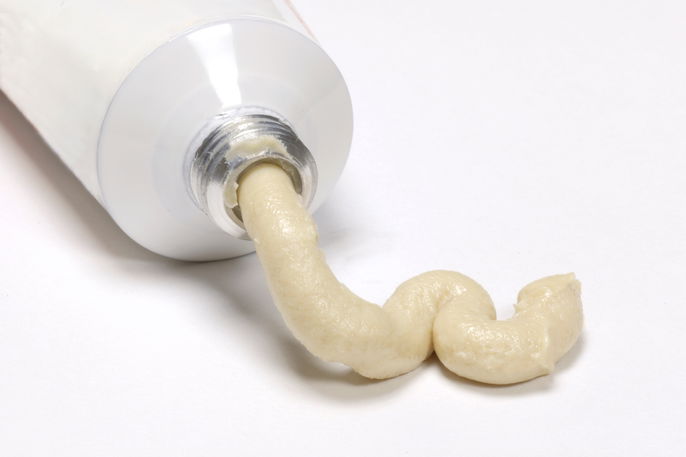
In the United States, silver sulfadiazine is available in pharmacies as a prescription-only ointment or cream. The most widely known brand is Silvadene, sold in different package sizes.
What it’s used for
Silver sulfadiazine ointment or cream is indicated for treating infected wounds or wounds at high risk of infection. It may be recommended for:
-
Primary impetigo, secondary impetigo, or ecthyma
-
Burns
-
Pressure sores
-
Venous, pressure, or varicose ulcers
-
Ulcers related to diabetes
-
Surgical wounds
Doctors or nurses typically prescribe this medication when a wound is infected with organisms such as Pseudomonas aeruginosa, Staphylococcus aureus, certain Proteus species, Klebsiella, Enterobacter, or Candida albicans.
How to use
To apply silver sulfadiazine ointment or cream, use a sterile spatula or wear sterile gloves. Then:
-
Clean the wound with saline solution
-
Apply a layer of silver sulfadiazine
-
Cover the wound with sterile gauze
Silver sulfadiazine is usually applied once or twice daily, but in heavily exuding or contaminated wounds, it may be used every 4 to 6 hours as directed by a healthcare professional. With each dressing change, the wound should be carefully washed with saline before reapplying the medication.
In many cases, silver sulfadiazine is applied by nurses or doctors in hospitals or clinics when treating infected wounds. However, it may also be used at home when medically recommended.
Treatment continues until the wound is fully healed or as directed by a healthcare professional. The treated area should not be exposed to sunlight, as this may cause skin discoloration.
Possible side effects
Side effects from silver sulfadiazine are uncommon. The most frequent is a reduction in white blood cell count on lab tests. Other possible reactions include skin rash, itching, burning or pain at the application site, and discoloration of the treated area after sun exposure.
Who should not use it
Silver sulfadiazine should not be used by people who are allergic to any component of the formula, by premature infants, or by babies under 2 months old. Its use is also not recommended during the last trimester of pregnancy or while breastfeeding unless advised by a doctor.
It should not be used in the eyes or on wounds being treated with proteolytic enzymes such as collagenase or protease, as it can interfere with their effects.
Silver sulfadiazine should also be avoided on very large or open wounds, in people with kidney or liver problems, and in those with glucose-6-phosphate dehydrogenase deficiency or leukopenia.