


Scalp detox is a deep cleanse of the scalp that helps remove product buildup, excess oil, dead skin, and debris. It is not a medical detox and does not remove toxins from the body.
A scalp detox may help when the scalp feels oily, itchy, flaky, or heavy from gels, sprays, dry shampoo, creams, or infrequent washing. However, it is not a cure-all, and it may not help if symptoms are caused by dandruff, seborrheic dermatitis, psoriasis, eczema, or a fungal infection.
The safest approach usually starts with gentle cleansing, careful scalp massage, and rinsing well. Harsh scrubs, frequent clarifying washes, strong DIY acids, or aggressive rubbing can irritate the scalp and make dryness or flaking worse.
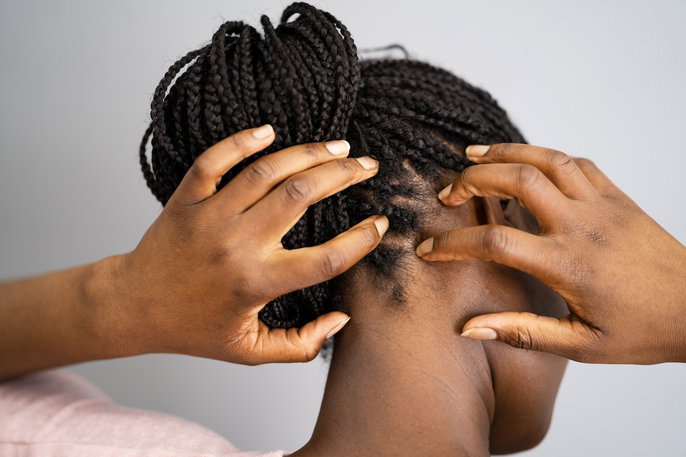
What is scalp detox?
Scalp detox is a term used for deep cleaning the scalp. It usually means removing product residue, excess oil, dead skin, and other buildup that can collect on the scalp and hair.
This type of cleanse is different from a true medical detox. It does not remove toxins from the body or treat health problems throughout the body.
In most cases, a scalp detox is done with a clarifying shampoo, exfoliating scalp treatment, or scalp-focused cleanser. These products are used directly on the scalp to help loosen and wash away buildup.
Does scalp detox work?
Scalp detox may work when the main problem is buildup, oil, or mild flaking related to product residue. In these cases, the scalp may feel cleaner, lighter, and less greasy after washing.
However, scalp detox has limits. It is less likely to help if the symptoms are caused by dandruff, seborrheic dermatitis, psoriasis, eczema, or a fungal scalp problem. These conditions may need specific treatment instead of a general detox routine.
For dandruff, dermatology guidance focuses on treating the scalp condition itself. This often means using a dandruff shampoo with active ingredients that target flaking, itching, and irritation.
How to do a scalp detox
A simple scalp detox can start with a gentle clarifying shampoo. The shampoo should be applied to the scalp, massaged in gently with the fingertips, and rinsed out well.
If flakes are the main concern, a dandruff shampoo may be a better choice than a regular clarifying shampoo. Useful active ingredients may include zinc pyrithione, salicylic acid, sulfur, selenium sulfide, ketoconazole, or coal tar.
Clarifying products should usually be used only once in a while. Using them too often can dry out the scalp and hair, especially if the hair is already dry, fragile, or chemically treated.
When scalp detox may be useful
A scalp detox may be useful for people with visible product buildup, an oily scalp, limp hair, mild itchiness, or hair that feels weighed down. It may also be helpful after frequent use of gels, sprays, dry shampoo, styling creams, or other leave-on hair products.
It may also help after long periods of infrequent washing or heavy exposure to pollution. In these cases, a deep cleanse can help remove residue that regular washing may not fully clear.
If there are dark flakes and itching, dandruff-specific care may be more appropriate than a general scalp detox. Persistent flakes should not be treated as simple buildup without considering other scalp conditions.
Best products for scalp detox
The most useful products for scalp detox are usually clarifying shampoos and exfoliating scalp treatments. These are more practical and evidence-based than trendy detox masks that make broad claims.
Clarifying shampoos can help remove residue from styling products, oils, and buildup. Exfoliating scalp treatments may help loosen dead skin and debris, but they should be gentle and not used too often.
If dandruff is present, an over-the-counter dandruff shampoo may be the best option. Ingredients to look for include zinc pyrithione, salicylic acid, sulfur, selenium sulfide, ketoconazole, or coal tar.
Products labeled as clarifying, purifying, or exfoliating may fit into a scalp detox routine. However, “natural” does not always mean safer or better, especially for sensitive scalps.
Natural scalp detox options
Some natural scalp detox options include diluted apple cider vinegar rinses or aloe vera. These are common DIY choices, but they are less standardized than regular shampoos or medicated dandruff products.
A gentle shampoo, light scalp massage, and thorough rinsing are usually safer first steps than aggressive home scrubs. Fingertips are better than nails, because nails can scratch and irritate the scalp.
If a home rinse is used, it should be mild. Burning, stinging, redness, or discomfort are signs that the product may be irritating the scalp and should be stopped.
Risks of scalp detox
Scalp detox can cause dryness, tightness, itchiness, flaking, irritation, or brittle hair if the scalp is over-cleansed. These effects are more likely when clarifying shampoos, scrubs, or strong DIY treatments are used too often.
Harsh rubbing with nails, abrasive tools, strong DIY acids, or lemon juice can irritate the scalp. These should be avoided, especially when the scalp is already sensitive, inflamed, or flaky.
Some people may notice temporary shedding when product buildup is removed. However, ongoing hair loss should not be ignored.
A dermatologist should be consulted if dandruff or scalp symptoms do not improve after several weeks of regular washing or over-the-counter dandruff treatment. Medical care is also important for severe flaking, scalp pain, burning, spreading redness, sores, or persistent hair loss.