


- Salsaparilla is a traditional herbal remedy that may help with gout, arthritis, skin problems, and menstrual discomfort.
- The root is used to make teas or capsules, offering anti-inflammatory and diuretic effects.
- Safe use requires medical guidance, especially due to possible side effects and drug interactions.
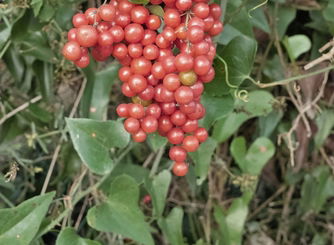
Salsaparilla is a medicinal plant from the species Smilax officinalis, traditionally used as a home remedy to help manage gout, rheumatism, or arthritis because it contains depurative, anti-inflammatory, antioxidant, and diuretic properties.
The part of the plant most commonly used is the root, where its active compounds are extracted. It can be found in natural product stores or compounding pharmacies as a powder, in capsules, or in its natural form for preparing tea.
Salsaparilla should always be used under the guidance of a doctor or another healthcare professional experienced in medicinal plants.
Health benefits
Salsaparilla can be beneficial for the management of:
-
Gout and high uric acid
-
Rheumatoid arthritis
-
Rheumatism
-
Syphilis
-
Kidney or bladder stones, renal colic, or nephritis
-
Menstrual cramps or heavy, painful periods
-
Skin problems such as psoriasis, dermatitis, acne, or wounds
In addition, salsaparilla may help reduce levels of total LDL (“bad”) cholesterol in the blood.
Salsaparilla contains compounds such as saponins, calcium oxalate, sitosterol, and glycosides, which contribute to its anti-inflammatory, diuretic, antisyphilitic, depurative, stimulating, toning, and antirheumatic actions.
Although it may offer several benefits, salsaparilla does not replace medical treatment and should only be used with guidance from a doctor or a trained herbal specialist.
How to use
Salsaparilla can be used as tea or capsules prepared from the plant’s root.
1. Salsaparilla tea
Salsaparilla tea is prepared using the dried root of the plant.
Ingredients
-
2 tablespoons of dried sarsaparilla root
-
250 mL of water
Preparation
Place the ingredients in a pan and boil for about 3 to 4 minutes. After boiling, cover the pan and let it rest for 10 minutes. Strain and drink one to two cups per day.
2. Salsaparilla capsules
Sarsaparilla capsules should be taken orally with a glass of water. The commonly recommended dose is one 500 mg capsule, taken 2 to 3 times per day, or as advised by a doctor or herbal specialist.
Possible side effects
The most common side effects appear when sarsaparilla is consumed in larger amounts than recommended. These may include gastrointestinal or kidney irritation.
Because of this, sarsaparilla should only be used with professional guidance and individualized dosing.
Who should not use it
Sarsaparilla should not be used by children, pregnant or breastfeeding women, or anyone allergic to this plant or to ingredients used in the capsule form.
It should also be avoided by people with high blood pressure, heart failure, kidney failure, or anemia.
In addition, sarsaparilla should not be taken by people who use medications such as digoxin or lithium, as it can interfere with these drugs and increase the risk of toxicity or side effects.
It is important to inform your doctor about all medications you are using to prevent interactions that may decrease or increase their effects.