


The rotavirus vaccine helps protect infants and young children against gastrointestinal infections caused by rotavirus. Rotavirus commonly causes severe watery diarrhea and vomiting, which can lead to dehydration and hospitalization.
Two rotavirus vaccines are licensed for infants in the United States: Rotarix and RotaTeq. Rotarix is given as a two-dose series, while RotaTeq is given as a three-dose series.
Both vaccines contain weakened live rotavirus and are given by mouth rather than by injection. They stimulate the immune system to produce protection against rotavirus without causing rotavirus disease.
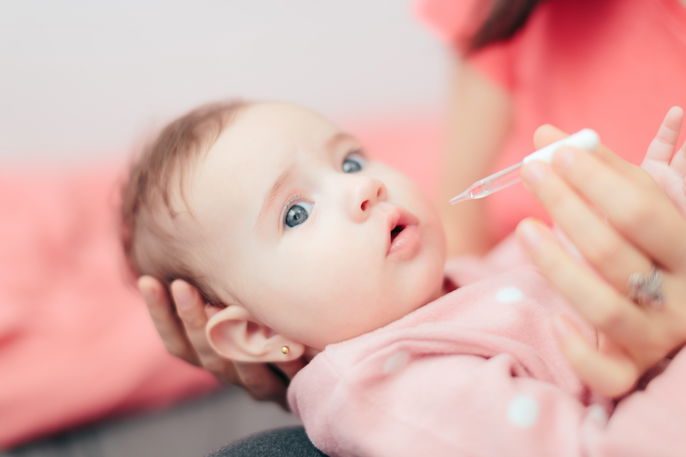
What the rotavirus vaccine is used for
The rotavirus vaccine is used to prevent rotavirus disease, which can cause severe diarrhea, vomiting, fever, and dehydration in infants and young children.
Vaccinated children are less likely to develop severe rotavirus illness. The vaccine has also significantly reduced rotavirus-related hospitalizations among infants and young children in the United States.
When should a baby receive the rotavirus vaccine?
The CDC recommends routine rotavirus vaccination beginning at 2 months of age.
The first dose must be given before the baby is 15 weeks old. All doses must be completed before the baby reaches 8 months of age.
The rotavirus vaccine should not be started once an infant is 15 weeks old or older, even if the child has not previously received a dose.
The Portuguese article uses a two-column table for the vaccine type and dosing schedule. This US-specific version follows the same layout while reflecting CDC guidance. (Tua Saúde)
Rotavirus vaccine doses
The rotavirus vaccine is given by placing liquid drops in the baby’s mouth. The number of doses depends on the vaccine brand used.
The first dose of either vaccine must be given before the baby is 15 weeks old. All doses must be completed before the baby reaches 8 months of age.
Whenever possible, the same vaccine brand should be used for every dose. However, vaccination should not be delayed if the brand previously given is unavailable or unknown. A pediatrician can determine how many doses are needed to complete the series.
The rotavirus vaccine can be given during the same appointment as other routine childhood vaccines, including DTaP, Hib, polio, hepatitis B, and pneumococcal conjugate vaccines.
Care after vaccination
A baby can continue normal activities, feeding, and contact with family members after receiving the rotavirus vaccine.
The CDC recommends that eligible infants receive the rotavirus vaccine even when they live with someone who has a weakened immune system. Avoiding contact with immunocompromised household members is not routinely required.
Diaper-changing precautions after vaccination
Small amounts of the weakened vaccine virus may be present in the baby’s stool after vaccination.
Everyone in the household should wash their hands thoroughly with soap and water after changing the baby’s diaper. This is particularly important when a household member has a weakened immune system.
Possible side effects
Most babies do not experience serious problems after receiving the rotavirus vaccine. Mild and temporary side effects may include:
-
Irritability;
-
Mild diarrhea;
-
Vomiting.
There is a very small increased risk of intussusception, a type of bowel blockage, usually within one week after the first or second dose. The CDC estimates that this may occur in approximately 1 in 20,000 to 1 in 100,000 vaccinated infants.
Signs of intussusception may include severe or repeated episodes of crying, intense abdominal pain, pulling the legs toward the chest, repeated vomiting, weakness, or blood in the stool. Immediate medical care is needed if these symptoms occur.
Also recommended: Common Side Effects of Vaccines (& What to Do) tuasaude.com/en/vaccine-side-effectsA severe allergic reaction is also possible but very rare. Emergency medical care is needed if the baby develops difficulty breathing, swelling of the face or throat, widespread hives, a rapid heartbeat, dizziness, or weakness after vaccination.
Rotavirus vaccine contraindications
The rotavirus vaccine should not be given to an infant who:
-
Had a severe allergic reaction after a previous dose or has a severe allergy to a vaccine component;
-
Has severe combined immunodeficiency, also known as SCID;
-
Has a history of intussusception;
-
Is older than the recommended age for starting or completing the vaccination series.
These are the main CDC contraindications for rotavirus vaccination.
A pediatrician should be consulted before vaccination if the infant:
-
Is moderately or severely ill, with or without a fever;
-
Has an ongoing gastrointestinal illness, including moderate or severe diarrhea or vomiting;
-
Has a weakened immune system or is receiving treatment that affects the immune system;
-
Has a chronic gastrointestinal condition;
-
Has recently received a blood transfusion or another blood product.
Mild illness, such as a minor cold, is not usually a reason to delay vaccination. The pediatrician can determine whether the vaccine should be given at the scheduled visit or postponed until the infant has recovered.
