


Ringworm treatment involves antifungal medications that target the fungus causing the infection. These treatments may be applied to the skin, taken orally, or used on nails or the scalp depending on the location and severity of the infection. Proper diagnosis and treatment guidance from a healthcare provider help ensure effective recovery.
Ringworm, also known as tinea, is a common fungal skin infection. It can affect the feet, groin, scalp, trunk, or nails and often causes red, ring-shaped patches, scaling, and itching.
When ringworm is suspected, evaluation by a dermatologist is recommended. This specialist can confirm the diagnosis and determine the most appropriate ringworm treatment for each case.
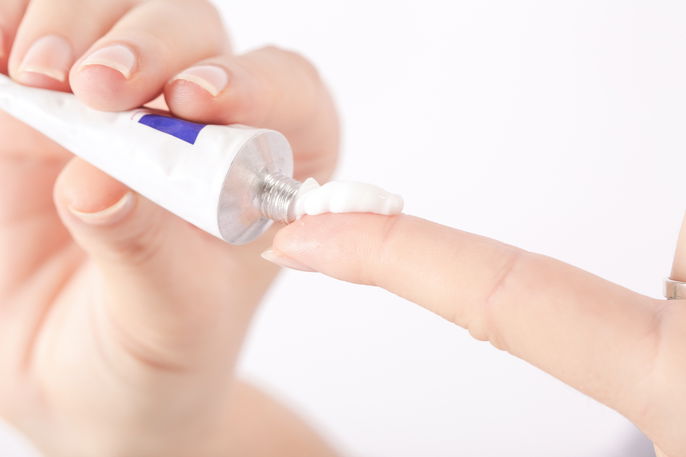
Main medications
Ringworm can be treated with medications like:
1. Creams
Topical antifungal creams are commonly used for mild or localized ringworm infections. They work by eliminating the fungus and reducing symptoms such as itching and redness.
Common options include:
-
Clotrimazole 1% cream or solution
-
Ketoconazole 2% cream
-
Miconazole 2% cream, solution, lotion, or powder
-
Terbinafine 1% cream or solution
These products are typically applied to affected areas once or twice daily for at least two weeks, following medical guidance. Treatment should be completed even if symptoms improve early to prevent recurrence.
2. Tablets
Oral antifungal medications are used when the infection is widespread, affects the scalp, or does not improve with topical treatment alone.
Common options include:
-
Fluconazole 150 mg capsules
-
Itraconazole 100 mg capsules
-
Terbinafine 250 mg tablets or capsules
These medications must be prescribed and monitored by a healthcare provider. Treatment duration generally ranges from 1 to 4 weeks depending on the medication and severity.
3. Shampoo
Antifungal shampoos may be used for scalp ringworm and are often combined with oral treatment.
An example is ketoconazole shampoo (such as Nizoral), which helps reduce itching, flaking, and fungal spread.
4. Nail treatments
Fungal nail infections (onychomycosis) may require topical nail antifungal medications, sometimes combined with oral therapy.
Common options include:
-
Ciclopirox 8% nail lacquer
-
Efinaconazole 10% topical solution
-
Tavaborole 5% topical solution
These are applied directly to affected nails. Treatment is long-term and may last around 6 months for fingernails and up to 12 months for toenails.
