


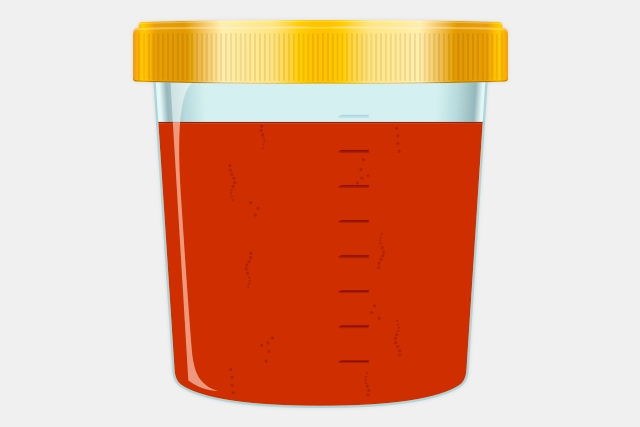
Red urine is a change in urine color that may happen after eating red-colored foods like beets, during menstruation, or after using certain medications such as phenazopyridine. In these situations, red urine is usually temporary and not related to a serious health problem.
When red urine is caused by medical conditions, it may appear along with symptoms such as fever, burning or pain with urination, bladder heaviness, or cramping near the kidneys. Common causes include urinary tract infections, prostatitis, kidney stones, inflammation of the kidneys, or prostate conditions.
Red urine that lasts longer than three days or occurs with other symptoms should be evaluated by a urologist, nephrologist, or primary care provider. A workup usually includes urine and blood tests to identify the cause and guide appropriate treatment, which may involve antibiotics, pain relief, or condition-specific care.
Main causes
The main causes of red urine are:
1. Eating red foods
Consuming red foods, such as beets, blackberries, rhubarb, or foods with red artificial coloring (like cake frosting or red candy), can lead to red urine.
Drinking red wine can also give the urine a red tinge.
What to do: Passing red-colored urine after eating red foods is not usually clinically significant. However, if you notice this happening frequently, try reducing your intake of these foods and aim for a varied, balanced diet as advised by a registered dietitian.
2. Menstruation
During menstruation, it is very common for urine to become red due to the presence of menstrual blood. This is not considered to be clinically significant.
What to do: Because this is a normal condition, treatment isn’t needed. During your period, maintain good hygiene by changing pads and tampons regularly, cleaning your menstrual cup or disc as recommended, and gently washing the vaginal area with water and mild soap.
3. Cystitis
Cystitis is inflammation in the bladder normally caused by bacteria, such as Escherichia coli. It causes symptoms such as abdominal pain, bladder heaviness, low and persistent fever, and pain or burning during urination (dysuria).
Urine may also appear red, dark, or cloudy and have a foul odor.
The main causes of cystitis are poor hygiene, unprotected sex, use of spermicides, urinary catheters, pregnancy, and kidney stones.
What to do: Cystitis treatment should be carried out as prescribed by a urologist or gynecologist. The doctor may prescribe antibiotics, such as fosfomycin, ciprofloxacin or amoxicillin to eliminate bacteria and relieve symptoms.
4. Urethritis
Urethritis is inflammation of the urethra, which is the hole through which urine is eliminated. Urethral inflammation can cause symptoms such as urinary frequency, pain or burning during urination, yellow discharge, and blood in the urine.
Urethritis is most often caused by sexually transmitted infections (STIs), such as chlamydia, gonorrhea, trichomoniasis, or herpes. It can also result from injury or irritation of the urethra.
What to do: Treatment should be managed by a urologist or a gynecologist and typically involves the use of antibiotics like amoxicillin, erythromycin, ceftriaxone, azithromycin or metronidazole. The type of antibiotic prescribed depends on the microorganism causing the infection.
5. Glomerulonephritis
Glomerulonephritis is the inflammation of the glomeruli in the kidneys. These tissues are responsible for filtering the blood and removing toxins from the body.
When the glomeruli become swollen, they can cause symptoms such as blood in the urine (which can cause red urine), urinary urgency, urinating in small quantities, abdominal pain, and fever.
This inflammation can be caused by bacterial, viral, or parasitic infections, as well as autoimmune diseases or chronic diseases like diabetes and hypertension.
What to do: Treatment is managed by a nephrologist and usually takes place in a hospital, where intravenous (IV) antibiotics are administered. In more severe cases, kidney failure may occur, requiring dialysis.
6. Kidney stones
Kidney stones can also cause red urine due to the small amount of bleeding that occurs when the stone moves down the urinary tract from the kidneys to the urethra.
The passage of the stone can cause damage to the cells lining the urinary tract, which can lead to scant bleeding and red urine.
Also recommended: 11 Symptoms of a Kidney Problem (with online quiz) tuasaude.com/en/symptoms-of-kidney-problemsWhat to do: Go to the emergency room right away if you think you may have kidney stones. The doctor may give IV pain medication or antibiotics if there’s an infection. The kidney stone can then be treated either by removing it or breaking it into smaller pieces.
7. Prostatitis
Prostatitis refers to inflammation of the prostate gland. It can cause symptoms such as blood in the urine (which may appear red), blood in the semen, painful urination, fever, and chills.
This inflammation may result from bacterial infections, injuries, or surgeries involving the prostate area, for example.
What to do: Treatment should be managed by a urologist and will depend on the cause. Infections can be treated with antibiotics, while pain and discomfort can be managed with anti-inflammatories and analgesics.
8. Benign prostatic hyperplasia
Benign prostatic hyperplasia (BPH) refers to enlargement of the prostate. This condition is very common in men over the age of 50, and can cause symptoms such as urinary urgency, difficulty completely emptying the bladder, and a weak urine stream.
An enlarged prostate can cause bleeding, which may result in the presence of blood in the urine, making it appear red.
What to do: Treatment is managed by a urologist with medications like tamsulosin or finasteride. Surgery may be advised in more severe cases.
9. Cancer
Prostate, bladder, or kidney cancer can also lead to blood in the urine, which gives urine a red color.
In the early stages, these cancers usually cause no symptoms. As the disease progresses, however, symptoms may develop, such as a weak urine stream, pain during urination, unexplained fatigue, or unintentional weight loss.
What to do: You should consult a urologist or nephrologist to confirm the cancer type and receive appropriate treatment. Based on the cancer’s type, stage, and your symptoms, the oncologist may recommend surgery, chemotherapy, or radiation therapy.
Also recommended: 12 Signs & Symptoms of Cancer (Do I Have Cancer?) tuasaude.com/en/cancer-symptoms10. Physical exercise
Intense physical exercise can also cause red urine. This condition is referred to as exercise-induced hematuria.
This can happen because intense physical exercise can temporarily affect how the kidneys filter blood, leading to the loss of small amounts of protein and red blood cells in the urine.
What to do: Red urine caused by intense exercise usually improves and resolves within 72 hours. If it does not improve or is accompanied by other symptoms such as black urine, back pain, or fever, you should proceed to the emergency room for an assessment to determine whether the red urine is related to another cause.
11. Use of medications
Continuous use of some medications can also turn the urine a red color.
Some of these medications include phenazopyridine, rifampicin, phenolphthalein, daunorubicin, doxorubicin, and contrast for imaging tests.
Anticoagulant medications, which reduce blood clotting, can also cause bleeding along the urinary tract, resulting in red urine.
What to do: If you notice red urine after starting a new medication, contact the prescribing clinician to find out whether it may be a side effect. Do not stop taking the medication without speaking to your doctor first.
When to see a doctor
You should consult a urologist, nephrologist, or primary care provider if you notice red urine that persists for more than 3 days, or if red urine is accompanied by other symptoms such as:
- Pain or burning during urination;
- Foul-smelling urine;
- Weak urine stream;
- Back pain or abdominal pain;
- Bladder heaviness;
- Fever or chills.
In these cases, the doctor will order urine and blood tests to determine the underlying cause of the red urine and guide the most appropriate treatment.