


A red face can appear after sun exposure, physical activity, emotional stress, or temperature changes, and in many cases this reaction is temporary and harmless. These situations usually cause facial redness due to increased blood flow in the skin.
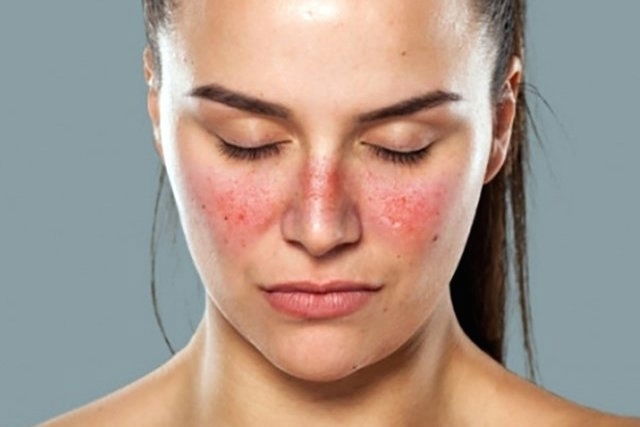
However, a red face may also be linked to health conditions such as allergies, autoimmune diseases like systemic lupus erythematosus, hormonal changes, or chronic skin disorders. In these cases, redness may be persistent or accompanied by symptoms like itching, swelling, pain, or skin changes.
Because a red face can be associated with many different causes, it is important to seek guidance from a dermatologist when the cause is unclear or if a red face is accompanied by other symptoms, such as joint pain, fever, facial swelling, or increased skin sensitivity.
Main causes
The main causes of a red face include:
1. Heat and sun exposure
Spending long periods in the sun or in very hot environments can cause a red face, which is usually normal. This happens because heat leads to dilation of the blood vessels in the skin.
However, when sun exposure is prolonged, facial redness may be related to sunburn. Sunburn damages skin cells and triggers inflammation, making the skin appear red and irritated.
What to do: Use sunscreen every day, even on cloudy days, and not only when you expect prolonged sun exposure. Sunscreen helps protect against UV rays, prevents dark spots, and slows premature skin aging.
Wearing lightweight clothing and staying well hydrated throughout the day can also help reduce heat-related discomfort and prevent dehydration.
2. Stressful situations
A red face is common during stressful situations that cause anxiety, embarrassment, or nervousness. In these moments, the body releases adrenaline, which increases heart rate and raises body temperature. Blood vessels dilate, and because facial skin is thinner, increased blood flow becomes visible as redness.
What to do: Since facial redness reflects a temporary emotional response, it usually improves once the person relaxes.
If these episodes happen frequently and interfere with daily, personal, or professional life, seeking help from a psychologist is recommended. Relaxation techniques may help manage these symptoms.
3. Intense physical activity
A red face during or after intense physical activity is common. Exercise increases heart rate and blood circulation, which can make the face appear flushed.
What to do: No specific treatment is needed. As the body cools down and heart rate returns to normal, the facial redness typically fades on its own.
4. Systemic lupus erythematosus
Systemic lupus erythematosus (lupus) is an autoimmune disease often characterized by a red, butterfly-shaped rash across the cheeks and nose.
In this condition, the immune system attacks healthy cells in the body, leading to symptoms such as joint inflammation, fatigue, fever, and sores inside the mouth or nose.
What to do: Treatment should be managed by a doctor and depends on symptom severity. Options may include anti-inflammatory medications, corticosteroids, or immunosuppressive drugs.
5. Food allergy
A red face may also be a sign of a food allergy. Allergic reactions can affect the skin and cause facial redness, hives, swelling, or itching.
What to do: It is important to identify and avoid the food that triggers the reaction. An allergist or gastroenterologist may perform allergy testing to confirm the cause. To relieve symptoms, antihistamines or corticosteroids may be prescribed.
6. Atopic dermatitis
Atopic dermatitis, also known as eczema, is a chronic inflammatory skin condition that can cause redness, dryness, and itching.
In babies, symptoms often appear on the cheeks, while in adults they are more common in the folds of the arms and knees, as well as the neck, hands, and feet.
What to do: Treatment varies based on symptom severity and may include corticosteroid creams, immunosuppressive creams, oral corticosteroids, antihistamines, or injectable medications such as dupilumab. A dermatologist should guide treatment.
7. Contact dermatitis
Contact dermatitis is a skin reaction caused by contact with certain substances, such as facial creams, makeup, shampoo, body wash, or soap. It can lead to a red face, swelling, dryness, and skin peeling.
What to do: Avoid contact with the substance causing the reaction. Wash the affected area with plenty of cold water and mild soap. A dermatologist can evaluate the skin and recommend products suited to your skin type to help prevent future reactions.
8. Rosacea
Rosacea is a chronic inflammatory skin condition that causes persistent facial redness, especially on the cheeks, forehead, chin, and nose. It may also cause increased skin sensitivity, a burning or warm sensation, facial swelling, pus-filled bumps, and dry skin.
The exact cause of rosacea is not fully understood, but it appears to involve genetic, environmental, and immune factors. Common triggers include sun exposure, hot drinks, spicy foods, alcohol, stress, and certain skincare products.
What to do: Treatment is recommended by a dermatologist and aims to reduce symptoms and improve quality of life. This may include medicated creams applied to areas of redness, gentle cleansers, moisturizers, and daily use of high-SPF sunscreen.
9. Fifth disease
Fifth disease, medically known as erythema infectiosum, is a viral infection caused by parvovirus B19 and mainly affects children.
In addition to flu-like symptoms such as fever and runny nose, children may develop bright red patches on the face that resemble slap marks. Red patches may also appear on the arms, legs, and trunk, sometimes with mild itching. The red face is a key feature that helps distinguish this condition from the flu.
What to do: A pediatrician should be consulted to confirm the diagnosis. Treatment usually involves rest and plenty of fluids, as the immune system can clear the virus on its own.
Medications such as acetaminophen or ibuprofen may be recommended for pain and fever, and antihistamines like loratadine can help relieve itching.
10. Telangiectasia
Telangiectasia, also called spider veins, is a common skin condition marked by small, visible red blood vessels on the face, especially around the nose, lips, and cheeks.
A red face associated with telangiectasia may be accompanied by mild itching or discomfort.
What to do: A dermatologist can recommend appropriate treatment, which may include laser therapy, sclerotherapy, or, in some cases, surgery.
11. Cold exposure
Exposure to cold temperatures, especially cold, dry wind, can reduce the skin’s natural oils and damage the outer skin layer. This weakens the skin’s protective barrier and may cause irritation.
As a result, areas such as the cheeks and nose may become inflamed, leading to a red face, increased sensitivity, or flaking.
What to do: Use facial moisturizers, particularly those containing ceramides or hyaluronic acid, which help retain moisture and strengthen the skin barrier.
Avoid very hot showers, and consider using a humidifier indoors to improve air moisture. In more severe cases, a doctor may recommend corticosteroid ointments.
12. Menopause
Menopause occurs when estrogen production declines, leading to vasomotor symptoms such as hot flashes. These sudden waves of heat can spread across the body and face, causing facial redness, sweating, and heart palpitations.
Hot flashes are very common during menopause and often appear suddenly.
What to do: A gynecologist should confirm the diagnosis of menopause. If needed, treatment may include hormone replacement therapy (HRT) using synthetic hormones.
Some women may also use natural options, such as soy isoflavones, under medical guidance. Read more about natural hormone replacement therapy.
13. Acne vulgaris
Inflammatory acne can cause a red face due to the formation of papules, nodules, or cysts on the skin.
What to do: A dermatologist can identify the type of acne and recommend appropriate treatment, which may include topical or oral retinoids and antibiotics.
14. Psoriasis
Psoriasis is a chronic inflammatory skin disease characterized by red, scaly patches that can appear anywhere on the body, most commonly on the elbows, knees, and scalp.
It can also affect the face, causing redness on the forehead, cheeks, chin, and around the eyes, mouth, or eyebrows.
What to do: Treatment should be guided by a dermatologist and may include corticosteroid or immunosuppressive creams, along with moisturizers to support the skin’s natural barrier and hydration.
15. Shingles
Shingles is a viral skin infection caused by the varicella-zoster virus. It typically affects the back or chest but can also involve the face, usually on one side only.
Facial shingles may cause redness, fluid-filled blisters, itching, localized pain, fever, headache, and general discomfort.
What to do: A dermatologist or primary care provider should be consulted to start treatment, which usually includes antiviral medications such as acyclovir, famciclovir, or valacyclovir to limit viral replication and speed recovery.
Anti-inflammatory drugs and pain relievers may also be prescribed. For adults over 50, the shingles vaccine may be recommended.
16. Seborrheic dermatitis
Seborrheic dermatitis is an inflammatory skin condition that affects areas with higher oil production. On the face, it can cause redness, flaking, and dandruff-like scales, especially around the nose, beard, eyelids, and eyebrows.
What to do: Treatment should follow dermatological guidance and may include corticosteroid, antifungal, or immunosuppressive creams and shampoos.
Can high blood pressure cause a red face?
High blood pressure does not cause a red face, even temporarily. Facial redness or a warm sensation in people with high blood pressure is usually due to other factors, such as heat, physical activity, or emotional stress, which lead to dilation of the skin’s blood vessels.