


Rat bites need prompt first aid: stay calm, wash the bite thoroughly with soap and water, then cover it with gauze or a clean cloth. This cleans the wound and helps protect it until a healthcare professional can examine it.
A rat bite should be treated right away because it can spread infection. It may lead to illnesses such as rat-bite fever, leptospirosis, or, in rare cases, rabies.
Start first aid at home as soon as the bite occurs. This does not replace medical care, so you should still go to an urgent care center or emergency room for proper evaluation and any treatment necessary.
First aid
First aid for a rat bite includes:
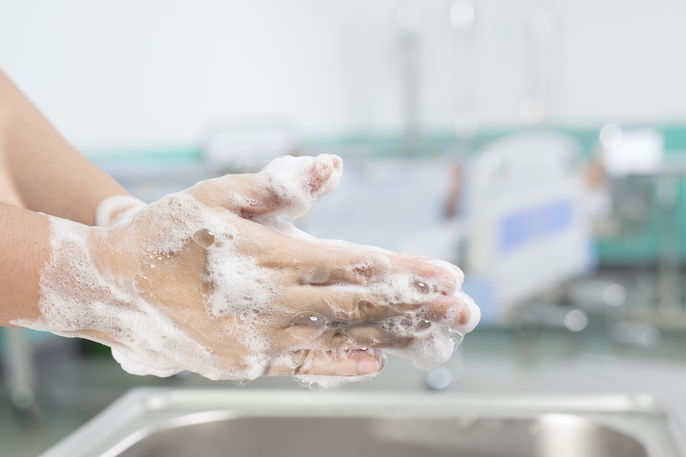
- Washing the wound immediately with running water and soap or saline solution for 5 to 10. minutes, removing any saliva or dirt that may be contaminating the wound.
- Rinsing the wound well to make sure all soap has been removed and to help prevent skin irritation.
- Drying the wound carefully with a clean, dry towel or sterile gauze.
- Controlling any bleeding by applying pressure to the wound with clean gauze or a clean paper towel.
- Covering the area with gauze or a clean cloth.
- Going to an urgent care center or emergency room, where the wound may be cleaned again and disinfected with povidone-iodine or chlorhexidine. If needed, the doctor may remove dead tissue and close the wound with stitches.
After this, a dressing is applied and should be changed the next day, or sooner if it becomes wet or dirty with blood or fluid.
If the wound starts to show signs of infection, such as pus, redness, or swelling, the doctor may prescribe an antibiotic. According to the CDC, antibiotics may also be used to prevent infection in certain wounds, depending on the type of injury and the person’s risk factors.
What to avoid
After a rat bite, you should not cut or suck the wound, tie a tourniquet around the arm, leg, or finger, or apply coffee grounds, kerosene, or other substances to the wound.
Recommended vaccines
After a rat bite, a healthcare provider may recommend certain vaccines, such as:
1. Tetanus vaccine
A tetanus shot is recommended after this type of injury if your vaccination is not up to date. It helps prevent infection with the bacterium Clostridium tetani, which lives in the environment, including soil and dust.
2. Rabies vaccine
The rabies vaccine or rabies immune globulin is usually not needed after bites from small rodents such as rats, mice, hamsters, guinea pigs, or gerbils, as rabies after a rat bite is very rare in the US, according to the CDC.
However, a doctor or local health department may recommend vaccination in unusual situations, such as if the animal was acting strangely or rabies exposure is suspected.
Diseases that can be transmitted
Rats can carry microorganisms in their secretions that cause disease in humans, especially sewer rats.
One of the main diseases that can occur is rat-bite fever, which may cause symptoms such as fever, malaise, skin redness, or muscle pain.
Other diseases that can be transmitted through rat and rodent secretions include leptospirosis, hantavirus infection, rabies, and bubonic plague. These infections can be serious and may become life-threatening.
Prevention measures
The best way to prevent a rat bite is to keep the environment clean. This includes removing trash, debris, and dirt, and keeping plants well maintained to help prevent rats from staying near the home.
