


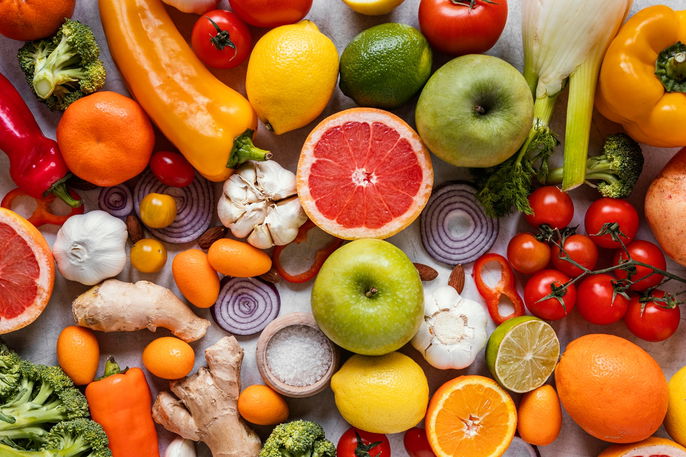
Quercetin is a flavonoid found in a variety of foods, including apples, acerola, buckwheat, and bell peppers. It may offer health benefits such as helping prevent high blood pressure, reducing inflammation, and helping prevent premature aging.
These potential benefits are linked to quercetin’s antioxidant and anti-inflammatory activity. By helping counter inflammation and excess free radicals in the body, it may help protect cells and DNA from damage.
Besides being present in certain foods, quercetin is also available in the U.S. as a dietary supplement. It can be sold on its own or combined with other nutrients, such as zinc or vitamin C.
Health benefits
The main benefits of quercetin care:
1. Helping lower high blood pressure
Quercetin is a flavonoid with anti-inflammatory and relaxing properties that may help blood vessels dilate, improving blood flow and potentially lowering high blood pressure.
However, more studies in humans are needed to confirm whether quercetin can be used as an adjunct to high blood pressure treatment.
2. Reducing inflammation
Quercetin may reduce inflammation by helping regulate the release and action of inflammatory compounds in the body, such as interleukins, tumor necrosis factor alpha, catalase, and nitric oxide.
Because of this, quercetin may be used as an adjunct to treatment for inflammatory conditions such as rheumatoid arthritis, cystitis, and inflammatory bowel disease.
3. Preventing cardiovascular disease
Quercetin is a bioactive compound with antioxidant and anti-inflammatory activity that may support artery health and help prevent blood clots, which may help reduce the risk of cardiovascular diseases such as high blood pressure, stroke, heart attack, and atherosclerosis.
4. Protecting against premature aging
By helping counter excess free radicals in the body, quercetin may help reduce oxidative stress in healthy skin cells, which can help prevent wrinkles, sagging, and premature aging.
5. Regulating blood sugar
Quercetin may help protect the pancreatic cells responsible for releasing insulin from damage caused by free radicals. This may help regulate blood sugar levels and, in this way, help prevent insulin resistance and diabetes.
6. Helping prevent cancer
Quercetin is a flavonoid with strong antioxidant activity that may help inhibit the growth of cancer cells and promote cancer cell death. It may help prevent or fight liver, lung, breast, and prostate cancer.
However, studies in humans are still needed to confirm the benefits of quercetin for cancer prevention and treatment.
Does quercetin help treat COVID-19?
Some studies suggest quercetin may be used as an adjunct to COVID-19 treatment because this flavonoid appears to have antiviral activity.
However, more studies in humans are still needed to confirm these possible benefits of quercetin in COVID-19 treatment.
Food sources
The table below shows the amount of quercetin in 100 g of certain foods:
Other foods that contain quercetin in smaller amounts include apples with the peel, lemon juice, cherries, blueberries, plums, strawberries, tomatoes, spinach, green tea, and broccoli.
Supplement use
Quercetin supplements may be indicated to help prevent or treat cardiovascular disease, arthritis, and diabetes, for example.
This supplement is sold as capsules, either alone or combined with other nutrients such as zinc and vitamin C. The supplement dose varies depending on the treatment goals, but the commonly suggested dose is between 250 and 1000 mg per day for up to 12 weeks.
However, this supplement should only be used under the guidance of a doctor or registered dietitian. This is because quercetin supplements are not recommended in some situations and may cause side effects. According to the FDA, dietary supplements are regulated differently than drugs and generally do not require FDA approval before they are marketed.
Side effects
Possible side effects of quercetin supplements include headache and stomach pain. This supplement may also cause allergic reactions in people who are allergic to its ingredients, and may trigger symptoms such as redness, itching, or red patches on the skin.
Who should avoid
Quercetin supplements are not recommended for children. Based on guidance from the National Center for Complementary and Integrative Health (NCCIH), many dietary supplements have not been adequately tested in pregnant or breastfeeding people, so quercetin supplements should not be avoided in these populations.
People with kidney problems should also avoid quercetin supplements. In addition, people who are taking medications for high blood pressure or diabetes, antibiotics, corticosteroids, or anticoagulants should talk with a healthcare provider before using quercetin supplements.