


Purpura are red or purple spots on the skin that appear when small blood vessels break and blood collects under the skin. Unlike normal bruises, purpura do not fade when pressed and can occur at any age.
The condition can have many causes, including inflammation of blood vessels, problems with blood clotting, or natural aging. While some types of purpura are harmless, others may signal serious health problems that require immediate treatment.
Purpura can range in size, from tiny pinpoint spots to larger patches, and may come with other symptoms like pain or bleeding. Understanding the different types of purpura and their treatments is important to know when medical evaluation is needed.
Types of purpura
There are many types of purpura that vary depending on their cause. The main types include:
1. Henöch-Schönlein purpura
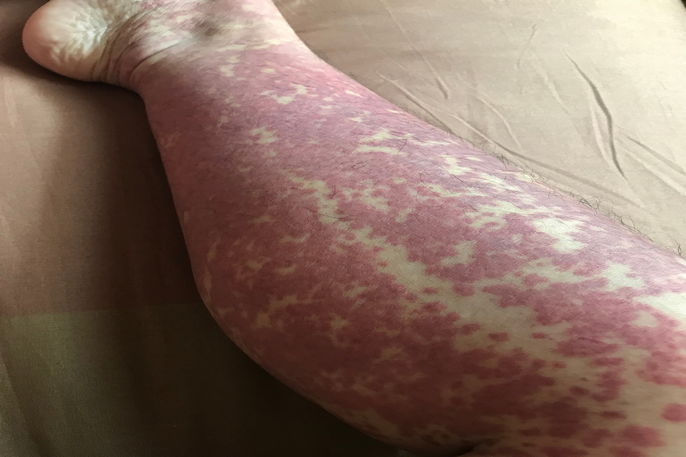
Henöch-Schönlein purpura (also known as HSP or IgA vasculitis) is more frequent in children, although it can be seen in adults.
What it looks like: This type of purpura is characterized by inflammation of small blood vessels, leading to red spots, particularly in the legs and glutes. It can lead to joint and abdominal pain.
How to treat: Normally, HSP does not require any treatment. Patients are advised to rest and continue being monitored by a doctor to evaluate for any worsening of symptoms. However, patients who experience a lot of pain may be prescribed anti-inflammatories or analgesics, like ibuprofen and acetaminophen, to relieve pain.
2. Idiopathic thrombocytopenic purpura
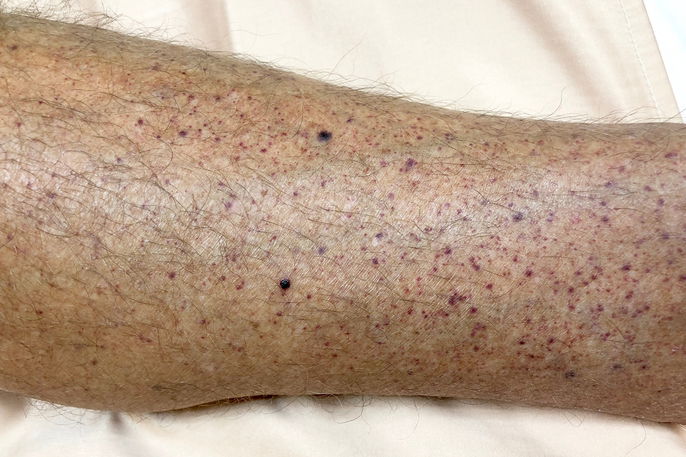
Idiopathic thrombocytopenic purpura (or ITP) is an autoimmune disease characterized by a decrease in platelet count, leading to clotting issues.
What it looks like: Due to abnormalities in coagulation, it is possible to also notice small red points on the skin as well as plenty of nose bleeds. Diagnosis is confirmed through blood tests, while positive cases will usually show a platelet count of less than 10.000 platelets/mm³ in the blood.
How to treat: Treatment for ITP is done according to the severity of symptoms. A doctor may prescribe medications to decrease immune system function to decrease immune responses and attacks on the body. Another treatment method includes immunoglobulin injections and medications to stimulate platelet production in the bone marrow.
3. Thrombotic thrombocytopenic purpura
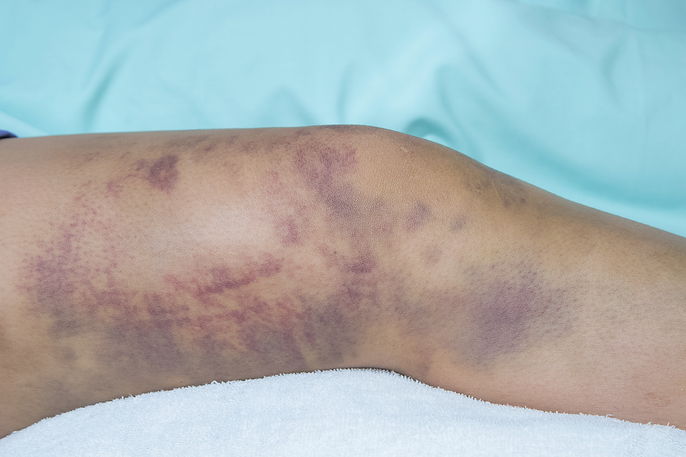
Thrombotic thrombocytopenic purpura (TTP) is a rare type of purpura that can be life-threatening. This type of purpura is characterized by increase platelet aggregation, leading to the formation of clots and destruction of blood cells. It is important for TTP to be treated as quickly as possible to prevent anemia, platelet loss and neurologic changes.
How to treat: Treatment for TTP should be initiated promptly, and usually involves a plasmaphoresis. This involves filtering the blood of excessive antibodies that may be interfering with normal body functioning.
4. Purpura fulminans
Purpura fulminans emerges mainly in newborns due to a lack of proteins related to coagulation. It leads to the formation of clots that interfere with proper blood circulation. This type of purpura can occur as a result of a serious blood infection, mainly meningococcus.
What it looks like: Due to changes in the clotting process, small red spots on the skin appear. These can turn barker due to cell death in the area.
How to treat: Treatment for purpura fulminans involves the administration of the clotting protein that is missing, as directed by a doctor.
5. Senile purpura

This type of purpura occurs due to naturally aging and the weakening of the blood vessels. It is more common in people over 65 years of age.
What it looks like: It is possible to note the appearance of purple spots on the back, wrists, hands and forearms.
How to treat: Senile purpura does not require treatment, as they do not pose any risks for health or for increased bleeding. However, patients who are uncomfortable with these spots can apply creams or ointments with vitamin K, which help to reduce the appearance of the spots.
Is purpura dangerous?
Some forms of purpura are mild and resolve on their own, while others, such as thrombotic purpura or purpura fulminans, can affect organs or blood clotting and require prompt medical attention.
Can purpura turn into leukemia?
Purpura does not turn into leukemia, as they are different conditions. However, some types of leukemia can cause purpura due to low platelet counts or clotting disorders. Therefore, purpura can be a sign of leukemia, but not the cause of the disease.