


Pumpkin is a vegetable rich in carotenoids, pigments with photoprotective properties that help protect the skin against the sun's ultraviolet rays, reducing the risk of skin cancer.
Because it contains excellent amounts of the carotenoids lutein and zeaxanthin, pumpkin also helps protect the eyes against UV rays from the sun and blue light from computers and cell phones, helping to prevent cataract formation.
Pumpkins vary in size and shape. The main types are sugar pumpkin, kabocha (Japanese pumpkin), calabaza, and butternut squash, and they can be used with or without the peel in soups, desserts and purées. In addition, pumpkin seeds can also be eaten as a snack or ground into flour to make cakes, breads and cookies.
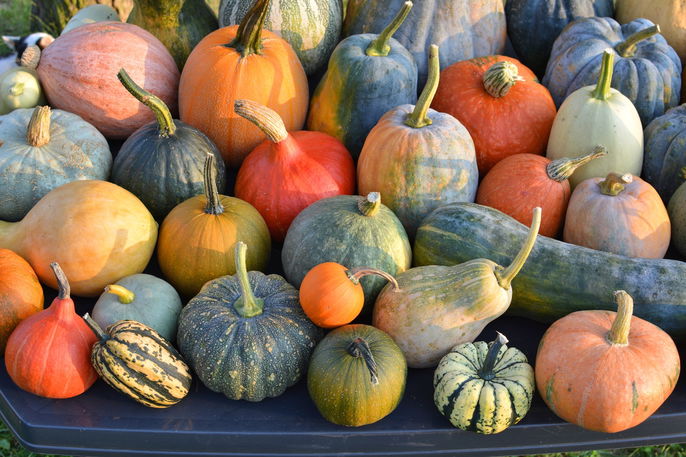
Main health benefits of pumpkin
1. Maintains eye health
Pumpkin is rich in lutein and zeaxanthin, carotenoids with high antioxidant power that protect the eyes from damage caused by free radicals, helping to maintain eye health and preventing cataracts.
Carotenoids in pumpkin also protect the eyes from the sun's ultraviolet rays and the blue light emitted by computers and cell phones, helping to prevent age-related macular degeneration.
2. Supports weight loss
Pumpkin contains excellent amounts of fiber, which form a type of gel in the stomach. This slows digestion and promotes a feeling of fullness, which can help with weight loss.
Pumpkin is also low in calories and carbohydrates, making it a good option for weight-loss diets.
3. Helps prevent diabetes
Because it is high in fiber, pumpkin slows the absorption of carbohydrates from foods, helping to balance blood sugar levels and prevent insulin resistance and diabetes.
4. Strengthens the immune system
Pumpkin is rich in carotenoids, which have antioxidant properties that strengthen the immune system. This helps the body fight off viruses, bacteria and fungi, preventing illnesses like the flu, allergies and colds.
Also recommended: tuasaude.com/en5. Helps prevent cancer
Pumpkin contains high levels of antioxidants like beta-carotene and vitamin A, which fight free radicals in the body and may help prevent certain types of cancer, such as lung, pancreatic, breast and prostate cancers.
Carotenoids in pumpkin also help protect the skin from the sun’s ultraviolet rays, reducing the risk of skin cancer.
6. Relieves constipation
Pumpkin helps combat constipation because it contains insoluble fiber, a type of fiber that adds bulk to stool and stimulates the natural movement of the intestines, making bowel movements easier.
Also recommended: tuasaude.com/en7. Helps prevent high blood pressure
Pumpkin contains potassium, a mineral that relaxes blood vessels and improves blood circulation, helping to prevent high blood pressure.
Potassium also helps eliminate excess sodium through urine, which further supports healthy blood pressure.
Nutrition facts
The table below shows the nutritional information for 100 g of cooked pumpkin:
To get all the benefits of pumpkin, it is important to maintain a healthy, balanced diet and engage in regular physical activity.
How to eat pumpkin
Although there is no specific recommended amount of pumpkin, the daily recommendation for vegetables is 2 to 3 servings, which is equivalent to 160 to 240 g per day.
Pumpkin can be eaten with or without the peel and can be used in recipes such as salads, purées, cakes, desserts, soups, pies and cookies.
In addition, pumpkin seeds can be eaten as a snack, added to salads or ground into flour to make cakes, breads and cookies. Learn more about how to use pumpkin seeds.
Healthy pumpkin recipes
Some healthy and delicious pumpkin recipes include pumpkin purée and pumpkin dessert.
1. Pumpkin purée
Ingredients
-
500 g of sugar pumpkin or kabocha
-
6 tablespoons of skim milk
-
1/2 tablespoon of olive oil
-
½ onion, chopped
-
Salt, nutmeg and black pepper to taste
Directions
Wash and cut the pumpkin into cubes. In a pot with water, cook the pumpkin until soft. Transfer the pumpkin to a bowl, let it cool slightly and mash with a fork. Add the skim milk, salt, nutmeg and pepper, and mix well.
In a pan, sauté the chopped onion in olive oil for 2 minutes, add the mashed pumpkin mixture, stir well and serve.
2. Pumpkin dessert
Ingredients:
-
500 g of pumpkin
-
8 tablespoons of baking sweetener
-
3 cloves
-
½ cup of water
-
1 cinnamon stick
Directions:
Wash, peel and cut the pumpkin into cubes. Place the water, cloves and pumpkin in a saucepan. Cook over medium heat for 12 minutes or until the pumpkin is soft. Mash the pumpkin directly in the pan.
Add the sweetener, mix well and cook over low heat, stirring until all the water has evaporated. Let it cool, place in individual bowls or a large container and refrigerate for a few hours before serving.