


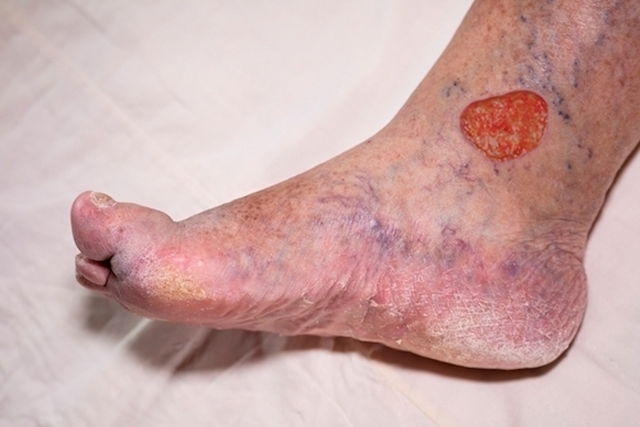
A pressure ulcer is a wound that develops in areas of the body that stay under constant pressure for long periods, such as the heel, ankle, hip, or tailbone. Symptoms can include red patches on the skin, pain, open sores, blisters, or ulcers.
Also called bedsores or decubitus ulcers, a pressure ulcer forms when blood flow to the skin is reduced because a person remains in the same position for more than 2 to 3 hours. They are most common in people who are bedridden.
Treatment is managed by a dermatologist, primary care doctor, or nurse, depending on the stage of the ulcer. Options may include skin care, medicated ointments, or surgical debridement.
Main symptoms
The main symptoms of a pressure ulcer include:
-
Pain or itching in the affected area
-
Burning sensation
-
Red, purple, or blue patches on the skin
-
Skin that feels warm, spongy, or firm
-
Decreased sensitivity in the area
-
Open sores, fluid-filled or pus-filled blisters, or ulcers
Some people may not notice symptoms if they lack sensation in certain areas, as in cases of paraplegia, quadriplegia, or unconsciousness.
The most common sites for pressure ulcers are the tailbone, sides of the hips, heels, ears, shoulders, and knees. These areas are more likely to be under pressure, which reduces blood circulation.
Confirming a diagnosis
A pressure ulcer is diagnosed by a primary care doctor, dermatologist, or nurse through an examination of the skin and assessment for signs of infection. Identifying the stage of the ulcer is essential to determine the best treatment.
In stages 3 and 4, blood tests may be ordered to evaluate overall health and check for possible infection.
Stages of pressure ulcers
Pressure ulcers are classified by severity:
-
Stage 1: Early ulcer formation with skin that appears red and warm. In some cases, the skin may look blue or purple. Burning, pain, or itching are common.
-
Stage 2: The affected skin develops sores or blisters filled with clear to yellow fluid, which may rupture and create an open wound. The skin around the area may appear whitish. Pain is usually present.
-
Stage 3: Open wounds extend into the fat layer beneath the skin. Signs of infection, such as foul odor or pus, may appear.
-
Stage 4: The most severe stage, affecting deeper tissues such as muscles, ligaments, and tendons. In advanced cases, cartilage and bone may also be involved. Dead tissue (necrosis) that looks black is often present, and the risk of infection is high.
The stage of a pressure ulcer is determined by a healthcare professional based on the wound’s appearance.
Possible causes
Pressure ulcers develop from constant pressure, friction, shear, or excess moisture on the skin. These factors reduce or block blood flow, which decreases oxygen and nutrient supply to the tissues, leading to tissue damage or death.
Poor circulation also weakens the skin’s defenses, making infections more likely.
Who is at higher risk
Several factors increase the risk of developing a pressure ulcer:
-
Older age, especially in seniors
-
Being bedridden due to illness or surgery recovery
-
Neurological conditions that reduce pain sensitivity
-
Obesity, malnutrition, anorexia nervosa, or dehydration
-
Heart failure, vascular disease, or peripheral arterial disease
These conditions often reduce mobility or impair nutrition, both of which raise the risk.
People with limited mobility who are frequently exposed to urine or stool, or who use diapers that are not changed regularly, also face a higher risk of pressure ulcers.
Treatment for pressure ulcers
Treatment should be guided by a dermatologist or primary care doctor and depends on the stage of the ulcer and whether infection is present.
1. Skin care
In stages 1 and 2, when there are no open wounds, treatment focuses on improving local blood flow. This may include gentle massage with moisturizing creams or oils. The skin should always be kept clean and dry, especially after episodes of incontinence, since urine can damage the skin and worsen the ulcer.
2. Position changes
Repositioning every 2 hours on a regular mattress, or every 4 hours on a memory foam mattress, helps prevent ulcers from worsening. Pneumatic mattresses, which inflate and deflate different areas every 5 to 10 minutes, also relieve pressure and help prevent new ulcers. Pillows or cushions may be placed under the knees, heels, or ankles to reduce pressure on these areas.
3. Ointments for pressure ulcers
Ointments may be recommended depending on the type of tissue in the wound and whether there are signs of infection or discharge. The specific cream or ointment should always be prescribed by a doctor or nurse. If suitable for home use, a nurse can provide instructions on how to apply dressings. Otherwise, wound care should be performed by a healthcare professional.
4. Debridement
Debridement is a minor surgical procedure used to remove dead or infected tissue from a pressure ulcer. This promotes healing and prevents infection from spreading. It is performed by a doctor or wound care nurse, typically under local anesthesia in a hospital or specialized clinic.
How to prevent
Pressure ulcers can often be prevented with simple measures:
-
Check the skin daily for swelling or redness, especially over bony areas
-
Avoid putting pressure on areas with swelling, pain, or redness
-
Drink at least 2 liters of water daily to keep skin hydrated
-
Avoid smoking or quit smoking
-
Follow a balanced diet that includes healing foods such as salmon, oranges, or broccoli
For bedridden individuals, using a sheet under the body to help with repositioning can reduce dragging, which prevents skin injuries and lowers the risk of ulcers.
Possible complications
Complications of a pressure ulcer include cellulitis, bone or joint infection, and sepsis.
Once a pressure ulcer develops, healing may take days, months, or even years. Following the doctor’s treatment plan is essential to avoid serious, life-threatening complications.