


Plum benefits are linked to the fiber, flavonoids, and carotenoids found in this fruit. These nutrients and bioactive compounds may help relieve constipation, control blood pressure, support weight loss, and help prevent diabetes.
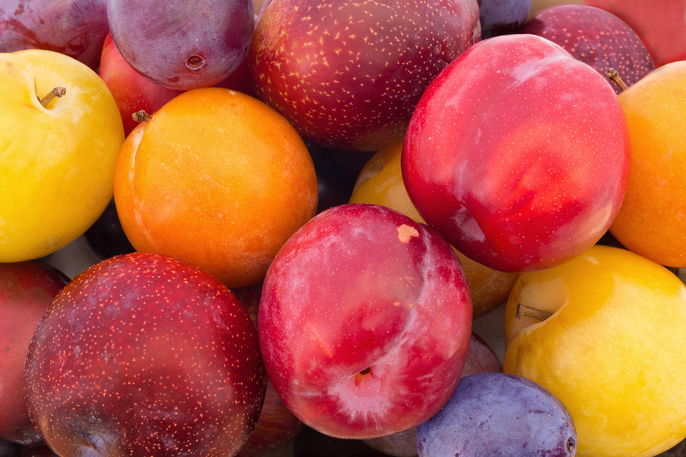
There are different types of plums, including yellow, red, black, and green plums. They differ mainly in their antioxidant content, as red and black plums contain more flavonoids, while yellow and green plums have more carotenoids.
Plums are available fresh, dried, or canned in syrup. They can be eaten on their own or used in recipes for puddings, jams, cakes, juices, plum tea, and plum water.
Main benefits
The main health benefits of plums are:
1. Relieving constipation
Plums, especially dried plums (prunes), can help relieve constipation and reduce the risk of hemorrhoids because they are rich in soluble fiber. This type of fiber absorbs water into the stool, helping hydrate it and make it softer, which makes bowel movements easier.
In addition, plums contain sorbitol, a type of sugar naturally found in fruits that has a laxative effect and helps stool pass more easily.
2. Helping prevent high blood pressure
Because they contain good amounts of antioxidants, such as beta-carotene and beta-cryptoxanthin, plums help maintain artery health, prevent inflammation, and support the relaxation of blood vessels. This improves blood circulation and may help prevent high blood pressure.
3. Supporting weight loss
Plums may support weight loss because they contain good amounts of fiber. Fiber forms a gel-like substance in the stomach, which slows digestion and helps control hunger throughout the day.
However, to help with weight loss, plums should be part of a healthy diet combined with regular physical activity.
4. Preventing premature aging
Plums contain good amounts of antioxidants, such as flavonoids and carotenoids. These compounds help prevent premature aging by fighting excess free radicals in the body, which may help prevent wrinkles and sagging skin.
5. Lowering cholesterol and triglycerides
The fiber found in plums can help lower cholesterol and triglyceride levels in the blood. This happens because fiber reduces fat absorption from food and inhibits cholesterol production in the liver.
6. Maintaining eye health
Plums contain lutein and zeaxanthin, carotenoids that protect the retina from damage caused by ultraviolet (UV) rays from the sun and blue light emitted by electronic devices. Therefore, plums help maintain eye health and may help prevent conditions such as cataracts and macular degeneration.
7. Helping prevent diabetes
Plums may help prevent insulin resistance and diabetes because they contain fiber, which slows the absorption of carbohydrates from food. According to the CDC, fiber can also help with blood sugar control and weight management, highlighting the benefits of fiber-rich fruits like plums as part of a balanced diet.
Main types
The most common types of plums are:
-
Yellow plums: this type of plum has yellow skin and flesh and contains good amounts of carotenoids, such as lutein and zeaxanthin. It also has a sweet flavor.
-
Black plums: black plums contain good amounts of flavonoids, such as quercetin, anthocyanins, and flavonols. They have dark skin, yellow flesh, and a sweet taste.
-
Red plums: this plum may have red skin and either red or yellow flesh. Because it is rich in flavonoids, red plum can taste sweet, sweet-tart, or mildly sour.
There is also the green plum, also known as Greengage, which is rich in carotenoids.
Nutrition facts
The following table shows the nutritional information for 100 g of fresh red plum (about one plum).
To get all the benefits of plums, it is also important to maintain a healthy diet and exercise regularly.
How to eat
Plums are sold fresh, dried (as prunes), or canned in syrup. They can be eaten on their own or used in preparations such as juices, jams, sauces, puddings, and cakes.
This fruit can also be used to prepare plum tea and plum water.
Although there is no specific recommended amount of plums to eat, CDC guidance recommends that adults consume about 1.5 to 2 cup-equivalents of fruit per day, depending on age, sex, height, weight, and physical activity level.
The ideal amount of fruit can also vary according to each person’s health status and nutritional needs. Therefore, it is advisable to consult a registered dietitian for a complete evaluation and individualized guidance.
Healthy recipes
Some healthy and tasty recipes with dried plums (prunes) include coconut pudding with plums and plum cake:
1. Plum cake
Ingredients:
-
½ cup butter
-
4 tablespoons culinary sweetener
-
3 eggs
-
10 pitted prunes
-
²⁄₃ cup skim milk
-
½ cup water
-
½ cup wheat flour
-
½ cup rolled oats
-
1 tablespoon baking powder
-
½ teaspoon ground cinnamon
Preparation:
Preheat the oven to 350 ºF (180 ºC). In a saucepan, add the prunes, 1 tablespoon of sweetener, and the water, and cook until very soft. Once slightly cooled, chop the prunes and set aside. In a mixer, beat the sweetener with the butter until very creamy. Add the eggs one at a time, beating well until the mixture is smooth.
Add the prunes and milk, and mix the batter a little more. Add the flour, oats, cinnamon, and baking powder, mixing gently with a spoon. Transfer the batter to a greased pan and bake for 30 to 40 minutes. Let cool slightly and serve.
2. Coconut pudding with plums
Ingredients:
-
200 mL coconut milk
-
3 cups skim milk
-
3 tablespoons fresh grated coconut
-
3 tablespoons cornstarch
-
1 cup water
-
1 cup pitted prunes
-
3 tablespoons culinary sweetener
Preparation:
In a saucepan, mix the milk, grated coconut, 2 tablespoons of sweetener, and cornstarch well, and heat over medium heat until it boils. Pour the mixture into a pudding mold and refrigerate for 3 hours.
To make the syrup, place the prunes, reserving a few for decoration, the water, and the remaining sweetener in a saucepan. Heat over medium heat until it boils, then let cool slightly. Remove the pudding from the mold and pour the syrup over the top, decorating with the reserved prunes. Serve immediately.
