


Plasmapheresis is a treatment that filters the blood to separate blood cells from plasma. It helps reduce substances that may be present in excess, such as proteins, enzymes, or antibodies.
Plasmapheresis may be recommended to help treat conditions such as thrombotic thrombocytopenic purpura, Guillain-Barré syndrome, and myasthenia gravis. Myasthenia gravis is an autoimmune condition that causes progressive muscle weakness due to the production of autoantibodies.
This procedure removes certain substances from the plasma through a filtration process. Plasma makes up about 10% of the blood and contains proteins, glucose, minerals, hormones, and clotting factors.
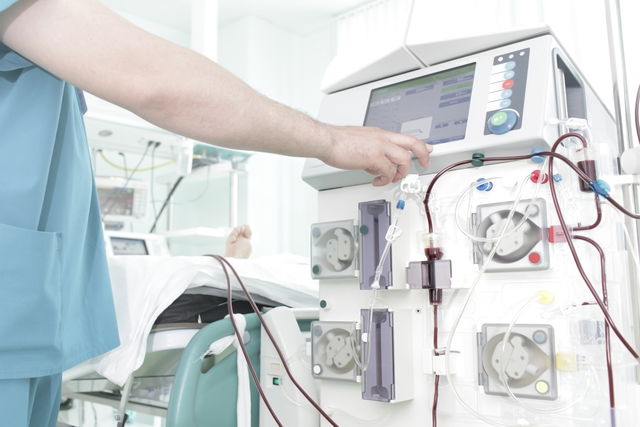
What it is for
Plasmapheresis is used to filter the blood by removing substances found in the plasma. The filtered plasma, without the substances that are causing or maintaining the disease, is then returned to the body.
This procedure may be recommended by a doctor to treat conditions that involve an increase in certain plasma components, such as antibodies, albumin, or clotting factors.
When it is indicated
The main indications for plasmapheresis are:
-
Lupus;
-
Myasthenia gravis;
-
Multiple myeloma;
-
Waldenström macroglobulinemia;
-
Guillain-Barré syndrome;
-
Multiple sclerosis;
-
Thrombotic thrombocytopenic purpura (TTP).
Although plasmapheresis can be very effective for treating these conditions, it is important to continue any medication prescribed by the doctor. This is because plasmapheresis does not stop the body from producing the substances involved in the disease.
For example, in autoimmune diseases, plasmapheresis removes excess autoantibodies from the blood. However, it does not stop the body from producing these antibodies, which means immunosuppressive medications may still be needed as directed by a doctor.
How it is done
Plasmapheresis is performed through a catheter placed in the jugular or femoral vein. Each session lasts about 2 hours and may be done daily or every other day, depending on the doctor’s recommendation. The number of sessions can vary depending on the condition being treated, although 7 sessions are commonly recommended.
Plasmapheresis is similar to hemodialysis because the person’s blood is removed from the body and the plasma is separated. The plasma then goes through a filtration process, where specific substances are removed, before being returned to the body.
However, this procedure filters out all substances present in the plasma, including both helpful and harmful substances. For this reason, the beneficial substances that are removed may also need to be replaced with fresh plasma supplied by the hospital blood bank, which helps prevent complications.
Possible complications
Plasmapheresis is considered a safe procedure. However, like any invasive procedure, it has some risks, including:
-
Bruising or hematoma at the venous access site;
-
Infection at the venous access site;
-
Increased risk of bleeding due to the removal of clotting factors from the plasma;
-
Transfusion reactions, such as an allergic reaction to proteins in the transfused plasma.
To help reduce the risk of complications, plasmapheresis should be performed by a trained healthcare professional who follows proper hygiene and patient safety measures.
Fresh plasma transfusion may also be needed during the procedure. This helps ensure that substances that are essential for the body to work properly are maintained at appropriate levels.