


A pink salt recipe is a popular wellness drink made with Himalayan pink salt, water, lemon juice and sometimes apple cider vinegar. It is often promoted online as a morning drink, but there is no strong scientific proof that this pink salt recipe has special health benefits.
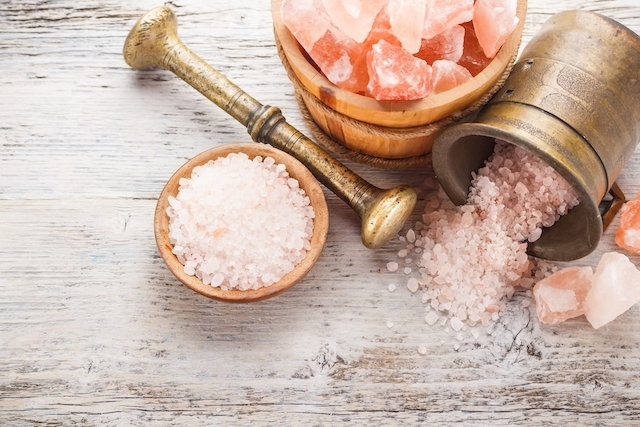
Pink salt is mainly sodium chloride, the same main compound found in regular table salt. It also contains small amounts of minerals like calcium, iron, magnesium and potassium, but these amounts are too low to provide meaningful nutrition.
Because pink salt is still salt, it should be used in small amounts. Taking too much can raise sodium intake and may increase health risks, especially for people who need to limit salt.
Health benefits
The possible benefits of a pink salt recipe are limited. Most claimed benefits are not supported by good scientific evidence, and pink salt does not appear to have a clear health advantage over regular salt.
1. Adds flavor with a small amount of salt
Pink salt can add a salty flavor to water-based drinks, salads, vegetables and cooked foods. Using a small amount may help improve taste without adding sugar or high-calorie ingredients.
2. Provides trace minerals in very small amounts
Pink salt contains trace amounts of minerals, such as calcium, iron, magnesium and potassium. However, these minerals are found in very small amounts and are not enough to make pink salt a good source of nutrients.
3. May help replace higher-sodium processed foods
Using a small amount of pink salt in homemade recipes may be better than relying on highly processed foods that are often high in sodium. However, the total amount of salt used throughout the day still matters.
Nonetheless, there is no clinical evidence that a pink salt recipe can detox the body. Claims that pink salt cleanses the body, improves metabolism or causes weight loss are not supported by the sources reviewed.
Overall, pink salt can be used as a seasoning, but it should not be considered a treatment, detox drink or mineral supplement.
Nutritional information
The table below shows the estimated nutrient profile of one serving of a basic pink salt recipe made with water, lemon juice and a small pinch of Himalayan pink salt. Exact values can vary depending on the amount of salt used and the brand of pink salt.
Recommended daily dose
Pink salt should be counted the same way as regular salt when tracking sodium intake. The FDA recommends keeping sodium intake under 2,300 mg per day for adults, and the American Heart Association recommends an ideal limit of 1,500 mg per day for many adults.
There is no special recommended dose for a pink salt recipe. It is safest to use only a small pinch and avoid drinking it several times per day, as this can increase sodium intake. Using more pink salt to get minerals is not recommended.
Ways to eat it
Pink salt can be used in small amounts in homemade foods and drinks. Common ways to use it include:
-
Mixed into water with lemon juice as a pink salt recipe drink.
-
Added to vegetables, soups or stews as a seasoning.
-
Sprinkled over salads or roasted vegetables.
-
Used in place of regular salt in cooking.
-
Added to homemade sauces or marinades.
Pink salt should not be used as the main source of minerals. A balanced diet with fruits, vegetables, beans, dairy products, nuts, seeds and whole grains is a better way to obtain minerals.
Possible side effects
Taking too much pink salt can increase sodium intake. High sodium intake may contribute to higher blood pressure and can increase cardiovascular risk in some people.
A pink salt recipe may also cause thirst, bloating or fluid retention if too much salt is used. Drinking salty water regularly may make it easier to exceed daily sodium limits.
Pink salt is usually not iodized, so replacing iodized table salt completely with pink salt may reduce iodine intake. Low iodine intake can affect thyroid health, especially in people who do not get iodine from other foods.
Some pink salt products may contain contaminants. One study cited in the source file found that one sample had lead above safe limits, which is a concern when pink salt is used often or in large amounts.
Contraindications
A pink salt recipe is not recommended for people who have been advised to follow a low-sodium diet. This may include people with high blood pressure, heart disease, kidney disease or fluid retention.
People with thyroid problems should be cautious about replacing iodized salt with pink salt. Pink salt is generally not iodized, and relying on it as the only salt source may lower iodine intake.
Pregnant people, older adults and people taking medicines for blood pressure, heart disease or kidney disease should avoid using pink salt drinks as a wellness treatment unless cleared by a healthcare provider.
Pink salt should not be used as a substitute for medical treatment, weight-loss treatment, electrolyte therapy or mineral supplementation.
Easy recipes
Pink salt recipes can be prepared in the following ways:
1. Basic pink salt recipe
Ingredients:
-
1 cup water
-
Juice of 1/2 lemon
-
1 small pinch Himalayan pink salt
Preparation method:
Add the water to a glass and mix in the lemon juice. Add a small pinch of pink salt and stir well. Drink occasionally, not as a daily detox treatment.
2. Pink salt and apple cider vinegar drink
Ingredients:
-
1 cup water
-
Juice of 1/2 lemon
-
1 teaspoon apple cider vinegar
-
1 small pinch Himalayan pink salt
Preparation method:
Add the water, lemon juice and apple cider vinegar to a glass, then stir in a small pinch of pink salt. Mix well before drinking and avoid adding extra salt, as this can increase sodium intake.
3. Pink salt lemon dressing
Ingredients:
-
2 tablespoons lemon juice
-
1 tablespoon olive oil
-
1 small pinch Himalayan pink salt
-
Black pepper, to taste
Preparation method:
Add the lemon juice and olive oil to a small bowl. Mix in the pink salt and black pepper, then use over salads or cooked vegetables.
Is pink salt better than regular salt?
Pink salt is not clearly better than regular salt for health. It is mostly sodium chloride and has similar cardiovascular risks when consumed in excess.
The trace minerals in pink salt are too low to provide major benefits. Regular iodized salt may be a better option for people who need iodine in their diet.