


Pink eye treatment may include cold compresses or artificial tears to help relieve symptoms like eye itching, redness, excessive tearing, or swelling.
Depending on the type of pink eye, an ophthalmologist may recommend medicated eye drops or ointments, such as antihistamines, antivirals, or antibiotics like ketotifen fumarate, acyclovir, or tobramycin.
Treatment should always be guided by an ophthalmologist, who can recommend the most appropriate medication based on the cause of the conjunctivitis, whether it's triggered by allergies or infections from viruses or bacteria.
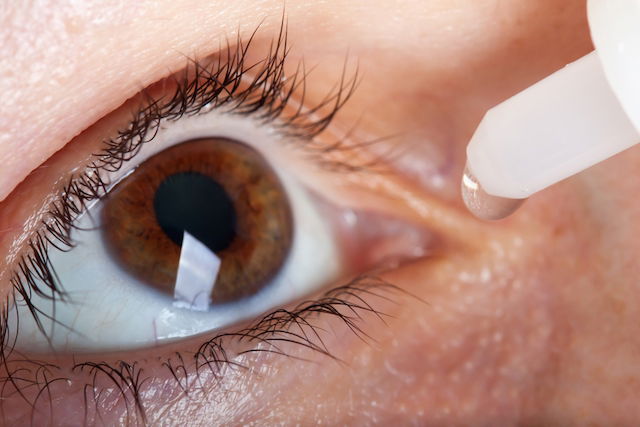
Main treatments for pink eye
The treatment for pink eye can vary depending on the cause:
1. Cold compresses
Applying cold compresses over the affected eye can help reduce inflammation, itching, and discomfort for any type of pink eye.
To make a compress, soak a sterile gauze pad in cold water, squeeze out the excess, and place it over the closed eyelid for up to 15 minutes. Discard the used gauze afterward. This process can be repeated every 2 hours using a new sterile gauze each time.
2. Artificial tears
Artificial tears or lubricating eye drops, such as Systane or Refresh, may be recommended to ease the gritty feeling in the eyes, as well as itching or redness.
These drops typically contain substances like carboxymethylcellulose, sodium carmellose, or hypromellose that help cleanse and moisten the eye, easing symptoms of viral, allergic, or bacterial conjunctivitis.
3. Antihistamine eye drops
For allergic conjunctivitis, antihistamine eye drops like ketotifen fumarate or epinastine hydrochloride may be prescribed to help reduce redness, itching, irritation, tearing, and swelling.
Common options include Zaditor (ketotifen), Elestat (epinastine), and Lastacaft (alcaftadine). These drops should only be used under medical supervision.
In more severe cases involving nasal congestion, oral antihistamines like cetirizine or hydroxyzine may also be recommended.
4. Mast cell stabilizer eye drops
For allergic conjunctivitis, mast cell stabilizer eye drops like cromolyn sodium or nedocromil may also be prescribed.
These medications work by stabilizing mast cells, which are responsible for releasing histamine—a key trigger of allergy symptoms. By preventing histamine release, these drops help reduce intense itching, constant tearing, and eye redness.
During treatment, it's also important to avoid allergens like dust or pollen whenever possible.
5. Decongestant eye drops
Decongestant eye drops may be used to relieve mild irritation or redness from allergic conjunctivitis.
These drops, such as those containing naphazoline hydrochloride, may be sold under brand names like Clear Eyes Redness Relief or Naphcon-A, and should only be used if prescribed by an ophthalmologist.
Decongestant drops are not recommended for individuals with glaucoma or those taking monoamine oxidase inhibitors (MAOIs), such as isocarboxazid, phenelzine, or tranylcypromine.
6. Topical corticosteroids
Topical corticosteroids, in the form of eye drops or ointments, such as prednisolone acetate or fluorometholone acetate, may be used to treat allergic or viral conjunctivitis.
These medications help reduce inflammation in the conjunctiva, alleviating swelling and redness.
7. Antiviral medications
Antiviral eye drops or ointments, such as acyclovir, may be prescribed in cases of keratoconjunctivitis caused by herpes simplex or herpes zoster viruses. These antivirals inhibit viral replication, helping to control the infection and speed up healing.
In more severe cases, oral antivirals like acyclovir, valacyclovir, or famciclovir may be recommended.
Since viral conjunctivitis is highly contagious, proper hygiene is essential during treatment. This includes frequent hand washing and avoiding sharing items like glasses or makeup.
8. Antibiotics
Antibiotic eye drops or ointments, such as tobramycin or ciprofloxacin, may be prescribed for bacterial conjunctivitis. These help eliminate the bacteria responsible for the infection.
Treatment typically involves applying the antibiotic to the affected eye 3 to 4 times a day for about 7 days.
In cases caused by gonorrhea or chlamydia, oral or intramuscular antibiotics like azithromycin or ceftriaxone may be necessary.
General care during treatment
In addition to medication, certain care measures should be followed to relieve symptoms and prevent the spread of pink eye. These include:
- Applying a damp compress over the closed eye
- Keeping the eyes clean and dry, removing any discharge
- Avoiding contact lenses and opting for glasses
- Not using eye makeup
- Wearing sunglasses outdoors
To prevent spreading the infection, it’s also important to:
- Wash hands frequently
- Change pillowcases and towels daily, and wash them separately
Avoid sharing items that touch the eyes, like glasses, towels, or makeup