


Pica is an eating disorder marked by a persistent urge to eat things that are not food, such as dirt, chalk, soap, or stones. It can affect children and can also happen during pregnancy.
Pica is also known as allotriophagia or picamalacia. It may be linked to nutrient deficiencies or mental health conditions.
If pica is suspected, it is important to see a primary care provider so the cause can be identified and appropriate treatment can be started. Early evaluation can also help lower the risk of complications from eating non‑food items.
Main symptoms
Pica is characterized by a persistent desire to eat things that are not food, such as:
-
Dirt, soil, or clay
-
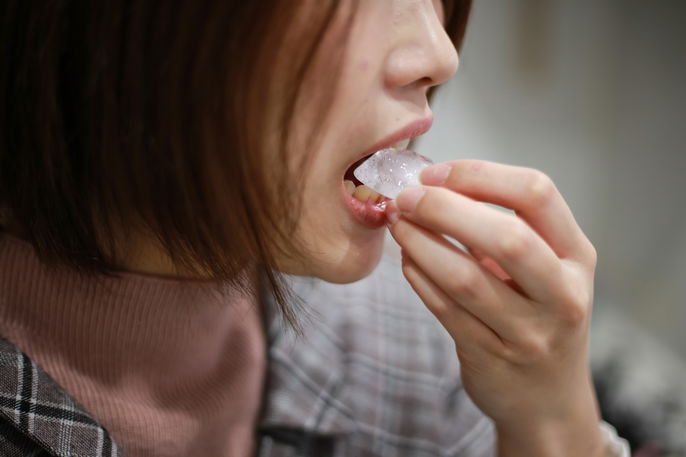
Ice, soap, or paper
-
Chalk, talc, charcoal, or peeling paint
-
Ashes or burned matchsticks
-
Coffee grounds
-
Plastic
Eating non-food items can also cause health problems, such as stomach pain or other digestive issues, intestinal blockage, tooth damage, and even choking.
Confirming a diagnosis
Pica is diagnosed by a primary care provider or psychiatrist, who evaluates whether the person has persistently eaten non-food items for at least 1 month.
The provider may also order blood tests to check for possible nutrient deficiencies, such as low iron or zinc levels.
A behavioral or psychological evaluation may also be recommended to identify repetitive patterns, emotional factors, or mental health conditions that may be contributing to the behavior.
Pica is only diagnosed when eating non‑food items is not considered normal for the person’s age (for example, beyond typical mouthing in young children) and is not part of a cultural or religious practice.
Possible causes
Pica is usually caused by nutrient deficiencies, such as iron, zinc, and calcium, and is common in pregnant people and children.
It may also be linked to mental health conditions such as depression, anxiety, schizophrenia, stress, or obsessive-compulsive disorder (OCD), as a way of coping with emotional distress.
Pica during pregnancy
Pica during pregnancy should be identified as early as possible, because it may be a sign that the pregnant person is not getting enough essential nutrients. This can increase the risk of low birth weight, preterm birth, and cognitive problems in the baby.
Ingesting toxic substances during pregnancy can allow these chemicals to cross the placenta and harm the developing fetus. According to the CDC, lead can pass from a pregnant person to the fetus, and exposure to lead and other heavy metals may increase the risk of miscarriage, stillbirth, and birth defects.
Treatment options
Treatment for pica depends on the cause and may include:
-
Vitamin and mineral supplementation to correct nutrient deficiencies, along with dietary changes guided by a registered dietitian.
-
Behavioral therapy, in which a mental health professional uses techniques that reinforce healthy habits and discourage eating non-food items.
-
Use of medication, in cases of intellectual disability or autism, when a doctor may recommend antipsychotic medicines such as risperidone or olanzapine to help reduce the urge or the behavior.
People with pica should also be supervised by family members to help prevent the ingestion of dangerous items, such as materials contaminated with lead.
However, pica may go away on its own in some people, especially children and pregnant people.