


Phlebitis is the inflammation of the inner lining of superficial blood vessels. It most often affects the veins in the legs, ankles, and feet, but it can occur in any vein of the body. Typical symptoms include swelling, redness of the skin, and pain in the affected area.
This condition may develop due to vein damage from trauma, surgery, catheter use, or irritation after an injection. It can also occur as a result of changes in blood circulation, which may increase the risk of clot formation inside the vein. When clots form along with the inflammation, the condition is called thrombophlebitis.
Treatment for phlebitis should be guided by a vascular specialist (angiologist) or a primary care doctor, depending on the severity. Management may include rest, compression stockings, warm compresses, anti-inflammatory medication, or anticoagulants when needed.
Symptoms of phlebitis
The most common symptoms of phlebitis include:
-
Pain when pressing on the affected area
-
Local swelling and redness
-
Warmth in the skin over the inflamed vein
-
Heaviness or numbness in the affected limb
-
A raised, reddish vein under the skin
-
A firm cord beneath the skin that can be felt by touch
-
Fever, in some cases
It is important to seek medical evaluation whenever symptoms of phlebitis appear so the doctor can perform tests, confirm the diagnosis, identify the type, and recommend appropriate treatment.
Difference between phlebitis and thrombophlebitis
Phlebitis refers to inflammation of a superficial or deep vein without clot formation. However, this inflammation can slow down blood flow and cause platelets to clump along the vessel wall, which may eventually result in clots.
When both vein inflammation and clot formation occur together, the condition is called thrombophlebitis.
How a diagnosis is confirmed
Diagnosis of phlebitis is made by a vascular doctor or primary care physician. It involves reviewing symptoms, examining the affected area, and assessing medical and family history for circulatory or cardiovascular conditions.
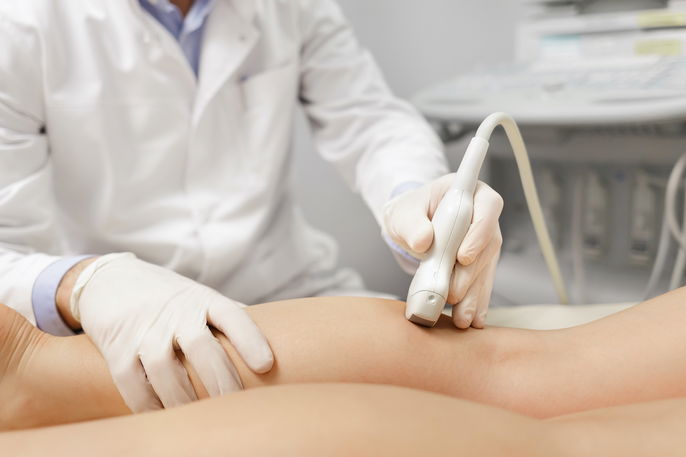
The doctor may also order a D-dimer blood test to evaluate clotting activity, along with imaging tests such as ultrasound, Doppler ultrasound, or CT scans. These help confirm the diagnosis and rule out other conditions with similar symptoms, such as thrombophlebitis or deep vein thrombosis.
Types of phlebitis
Phlebitis is classified based on the location of the affected vein. The main types are:
-
Superficial phlebitis: affects veins close to the skin’s surface, causing more noticeable and easier-to-treat symptoms. In some cases, it may lead to skin infections, ulcers, or bloodstream infections.
-
Deep phlebitis: affects larger, deeper veins, especially in the legs.
Both superficial and deep phlebitis reduce blood circulation in the affected area, increasing the risk of platelet buildup and clot formation. This may develop into superficial venous thrombophlebitis or deep vein thrombosis. Clots can break loose and travel to the lungs, leading to a pulmonary embolism, a serious and potentially life-threatening condition.
Possible causes
Phlebitis occurs due to inflammation of the vein wall, which may be triggered by trauma, infections, reduced blood flow, or vein irritation.
Factors that increase the risk of developing phlebitis include:
-
History of venous thromboembolism
-
Use of an intravenous catheter for more than 48 hours
-
IV medications that irritate the vein, such as antibiotics or potassium chloride
-
Prolonged immobility after surgery or during long trips by car, bus, or plane
-
Arm or leg injuries
-
Vein trauma from surgery or bone fracture
-
Obesity and lack of physical activity
-
Smoking
-
Dehydration
-
Varicose veins
-
Blood clotting disorders (thrombophilia)
-
Severe infections (sepsis)
-
Cancer
-
Pregnancy
-
Estrogen-based hormone replacement therapy or combined birth control pills
Phlebitis can develop anywhere in the body, but it is most common in the legs, feet, and arms, since these areas are more prone to minor injuries and varicose veins. It can also occur in the penis, where blood vessel trauma during erection can alter circulation and increase the risk of clotting, leading to superficial dorsal penile vein thrombophlebitis.
Treatment for phlebitis
Treatment for phlebitis depends on the type, severity, and any related health conditions, and should always be directed by a doctor.
1. Compression stockings
For superficial phlebitis, the doctor may recommend elastic compression stockings. These help improve circulation, promote blood return to the heart, reduce swelling, and relieve pain.
They must be prescribed individually, removed at night, and replaced every 6 months since regular washing reduces their compression strength.
2. Elevating the affected limb
Raising the affected arm or leg above heart level helps reduce swelling, improve circulation and oxygen supply to tissues, and prevent clot formation. This can be done for about 30 minutes, three to four times a day.
In cases of superficial phlebitis, raising the arm or keeping the leg elevated when resting or sitting is recommended, along with gentle foot movements. However, rest should not be prolonged, since immobility increases clot risk. Doctors may also recommend short walks and applying warm compresses to relieve symptoms.
3. Medications
Medication options for phlebitis include:
-
Nonsteroidal anti-inflammatory drugs (NSAIDs) to relieve pain and inflammation in superficial phlebitis
-
Antiplatelet drugs, such as aspirin, to lower the risk of clot formation
-
Anticoagulants, such as heparin, warfarin, or rivaroxaban, for deep phlebitis to prevent thrombus formation and heart or lung complications
-
Thrombolytic drugs, such as alteplase or tenecteplase, in severe cases to dissolve blood clots. These are used in hospital emergency care
-
Antibiotics, if an infection is present
Hospital care is usually required for deep phlebitis, and treatment may continue at home for 3 to 6 months, depending on severity.
Care during treatment
Key measures during treatment for phlebitis include:
-
Taking prescribed medication at the correct times
-
Using compression stockings as directed
-
Attending regular medical checkups and tests
-
Exercising regularly as advised by the doctor
-
Avoiding smoking
-
Maintaining a healthy weight
-
Avoiding prolonged bed rest or immobility during travel, pregnancy, postpartum recovery, or hospitalization
-
Not sitting for long periods without moving the legs, such as during long work hours at a desk
-
Avoiding oral contraceptives if at higher risk for clotting problems
People taking anticoagulants or antiplatelet medications may have an increased risk of bleeding. It is important to inform the doctor if nosebleeds, blood in urine or stool, or unusual bruising occur, since medication doses may need to be adjusted.